
Carles Quilmetes (1775-1834) - Sinfonia 1a (1804)
★ Follow music ► https://www.instagram.com/reciclassicat/
Composer: Carles Quilmetes (1775-1834)
Work: Sinfonia 1a (1804)
Performers: Música Antiga de Girοna; Albert Bοsch (conductor)
Sinfonia 1a (1804)
1. Largo, allegro vivace 0:00
2. Menuetto allegro 8:37
3. Rondo, allegro non tanto 12:15
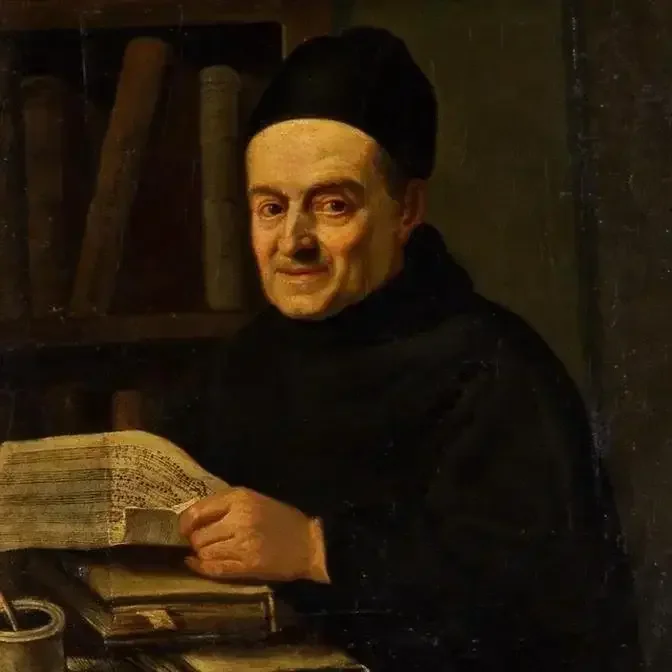
Painting: Balthasar Beschey (1708-1776) - Commedia dell'Arte
HD image: https://flic.kr/p/2iZ6wvA
Further info: http://www.magirona.org/cat/index.htm
Listen free: No available
---
Carles Quilmetes [Quilmetas]
(Vic, 1775 - Girona, 1834)
Spanish violinist, double bassist, and composer. After receiving his studies in composition in Barcelona, he was appointed as a violinist at Girona Cathedral, where his tenure spanned more than forty years. Notably, he was the first lay musician to secure a permanent position within the cathedral's musical chapel (capella de música), frequently performing on both the violin and the double bass. His career was severely disrupted in 1809 by the Siege of Girona during the Peninsular War. As liturgical music was marginalized, lay musicians faced acute financial hardship due to the chapter's inability to provide regular stipends. Following the French occupation, he petitioned for readmission in 1811; initially granted only charitable alms, he was formally reinstated in December of that year under a severely diminished annual salary of twenty pounds. Upon his retirement in 1826, the cathedral chapter permitted his grandson, Carles Sipiera Quilmetes, to act as his substitute, though the youth was denied a permanent chair owing to his age. As a composer, he belonged to a prominent multi-generational lineage of cathedral string players that also included his son, the priest and long-standing chapel violinist Josep Quilmetes. While the vast majority of his works are lost, his surviving output is distinguished by a three-movement work, the Symphony No.1 (1804).