
Luigi Legnani - Gran Caprice ou Etude, Op. 60 (c. 1830)
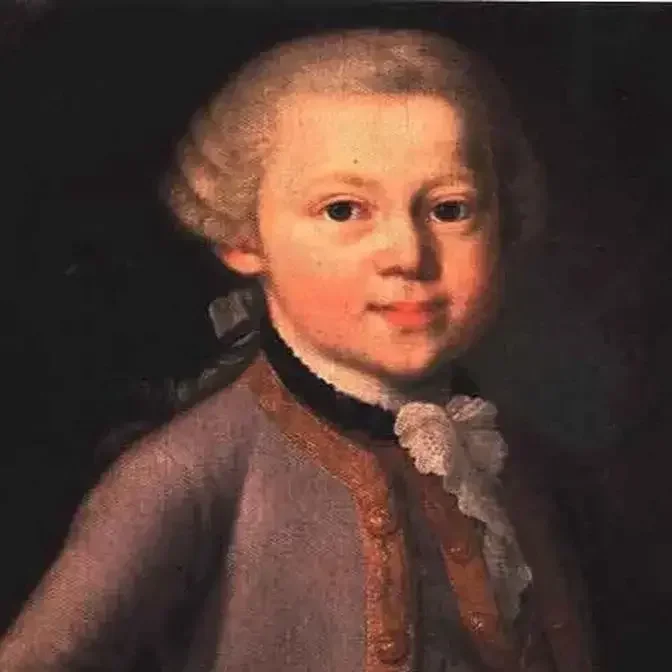
Luigi Rinaldo Legnani (7 November 1790 – 5 August 1877) was an Italian virtuoso guitarist, singer, composer and luthier.
Please support my channel on
https://Ko-fi.com/bartjebartmans
Gran Caprice ou Etude, Op. 60 (c. 1830)
1. Allegro maestoso (0:00)
2. (1:37)
3. (2:11)
4. (3:14)
5. (4:01)
6. (4:54)
7. (5:21)
8. (5:37)
9. (6:25)
10. (7:02)
Giulio Tampalini, guitar
Legnani's compositional style is unmistakably and invariably rich in novel technical devices and displaying the melodic inventiveness typical of Italian bel canto, with which the composer was thoroughly familiar. These same hallmarks also distinguish the vast majority of Legnani’s works; he required considerable freedom (not to be confused with simplicity) to give full expression to his artistry. Indeed, he almost invariably resorted to forms that were less academically orthodox yet especially congenial to him, such as caprices, theme and variations, fantasias, rondos, and overtures.
A particularly striking example is the Gran Capriccio o Studio Op. 60 (first edition 1827–28, Richault), a fascinating illustration of how Legnani delighted in exploring, with admirable skill, tonalities often neglected by his contemporaries. It is said that the Hungarian Johann Kaspar Mertz regarded him as the finest harmonizer for the six-string guitar. This should come as no surprise, since Legnani’s personal style, though indeed rooted in Classicism, reveals a clear openness to instrumental Romanticism, not least in his employment of a demanding technical virtuosity—considered astonishing in its day—which he extended far beyond the previously known limits of the guitar. Nonetheless, one must guard against the simplistic assumption that his output merely serves to display technical facility, to the detriment of its abundant poetic qualities. In Op. 60, as well as in the Gran Capriccio Op. 34 (first edition published by Probst between 1823 and 1827), the technical dimension never overshadows the limpid directness of certain melodies, which are expertly juxtaposed with more lyrical and suggestive moods. Indeed, more so than in those effect-driven pieces conceived primarily to parade one’s technical prowess (he was, after all, nicknamed the “Aiace Telamonio dei chitarristi”), it is in works of this kind that Legnani truly merits our keenest appreciation. Their light-hearted themes often alternate with more serious, at times surprising, episodes, creating a perpetual swirl of colors and musical ideas, never predictable, all supported by a well-crafted polyphonic interplay of voices. In a different vein, one finds pages founded more explicitly upon the melodic brilliance typical of the early nineteenth century, though they remain consistently buttressed by Legnani’s virtuosity—occasionally daring but never ostentatious.