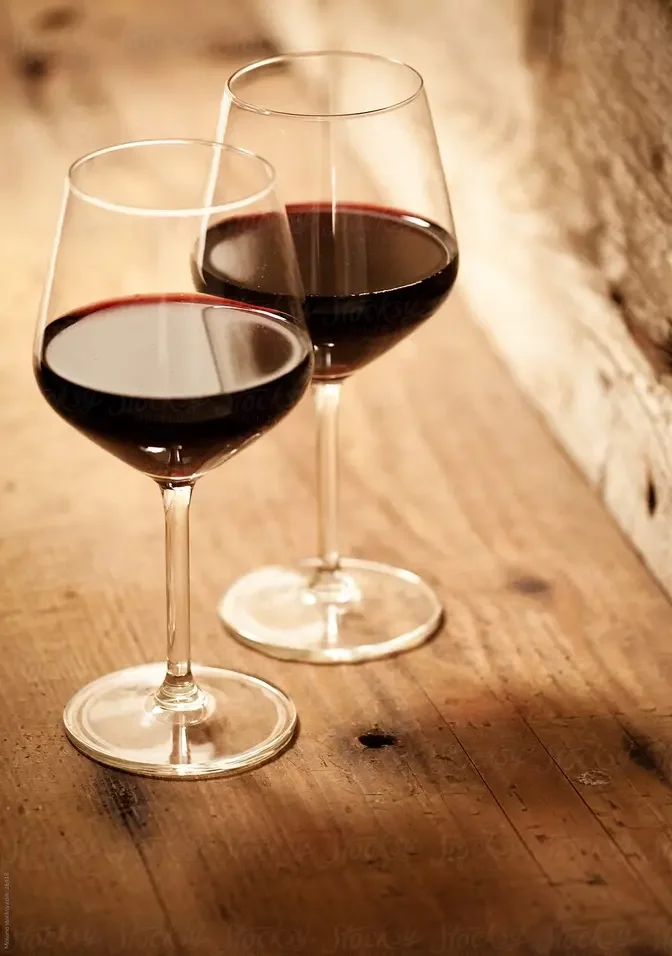
A single bottle of wine once sold for over $800,000… but what could possibly make it worth that much? We’re starting with the wines most people ignore—and ending with one so important, it changed human civilization 8,000 years ago… and almost nobody knows it exists.
🔔 Subscribe to The Food Breakdown to not miss any future uploads!
👍 Leave a like if you enjoy food videos just like this one!
Keep watching to see...food explained, explained with food, food pyramid explained, food explainer, every hot sauce explained, every space food, explained, every seafood type, tacos explained, fruits explained, fermentation explained, casually explained, pickling explained, explainer, brain food, every fruit, food in space video, chinese food, food industry, how to plate food, china food, vegan food, fermented foods, food supply, food, food history, and much more!
Subscribe to watch the best food explainer videos! Inspired by FooDiscover, Decoded Dishes, Dish Decoded, TasteDetective, Food Mark, and Food Explained.
If any of the clips belong to you and you would like us to remove them, please send me an email at [email protected] before taking any action. I will gladly remove the video. Thank you!
AI Generated·May contain errors
Video Summary
AI Generated
This video explores the diverse world of wine, debunking common misconceptions about popular varieties and tracing the beverage's origins back 8,000 years to Georgia. From the \"wild\" flavors of Sauvignon Blanc to the record-breaking prices of Pinot Noir, the guide explains how production methods, geography, and history shape the taste and value of different wines.
A single bottle of wine once sold for over $800,000, but what could possibly make it
worth that much?
We're starting with the wines most people ignore, and ending with one so important it
changed human civilization 8,000 years ago.
And almost nobody knows it exists.
8.
Rosé
We are starting with the wine that got disrespected harder than any other drink in history because
for decades everyone assumed rosé was cheap, sugary, pink garbage that no serious person
would ever order.
But then the Provence region in southern France reminded the world that they had been making
bone-dry, elegant rosé for centuries.
And around 2015 the global tide shifted, and suddenly rosé was the coolest wine you could
have in your hand.
The pink color comes from dark-skinned red grapes that get crushed, and the juice sits
with the skins for just a couple of hours instead of the days or weeks needed for a
full red wine.
France produces over 35% of all rosé on earth, and the best ones from Provence taste like
fresh strawberry, watermelon, and citrus with zero sweetness, which is the complete opposite
of what people expect when they see that pink color.
Serve it freezing cold with grilled shrimp, pizza, or a warm afternoon with zero plans.
But rosé is just the beginning of the wines that people misjudge, because this next one
hits your mouth with a flavor that most people are completely unprepared for.
7. Sauvignon Blanc
Sauvignon Blanc hits your mouth like someone squeezed a fresh grapefruit directly onto
your tongue and then threw in passion fruit, green bell pepper, and freshly cut grass for
good measure.
The word Sauvignon comes from the French word sauvage, meaning wild, because this grape
used to grow completely untamed across the French countryside before anyone tried to
domesticate it.
New Zealand's Marlboro region put this grape on the global map in the 1980s, and Marlboro
Sauvignon Blanc now accounts for over 85% of all wine New Zealand ships to other countries,
which means an entire nation's wine identity is built around one grape from one region.
Drink it ice cold around 45 degrees with goat cheese, sushi, or ceviche.
Now Sauvignon Blanc is as aggressive and unapologetic as white wine gets, but this next wine is
the exact opposite, because it has almost no personality of its own, and that is actually
its greatest weapon.
Number 6 Chardonnay
Chardonnay is the most popular white wine on earth, and also the most hated, and both
of those things are true at the same time because people tried a bad version once and
wrote off the entire wine forever.
That is like biting into one soggy french fry and deciding you are done with potatoes
for the rest of your life.
What makes Chardonnay different from every other wine on this list is that it completely
changes personality depending on what the winemaker does with it.
Put it in oak barrels and you get the rich, buttery vanilla bomb that California made
famous in the 1980s.
Put it in stainless steel tanks instead and you get a crisp, mineral-driven, almost electric
wine that tastes like green apples and lemon zest, and that style is what you find in the
French region of Chablis.
Same wine, completely opposite personality, which means if you think you hate Chardonnay,
you probably just hate one version and have never tried the other.
DNA testing even proved that Chardonnay is a genetic cross between Pinot Noir and an
ancient wine called Gouet Blanc, so keep that family connection in the back of your mind
because Pinot Noir is coming up later, and the price tag on that wine is going to blow
your mind.
But before we get to the reds, we need to talk about the wine that Hollywood almost
murdered with a single line of dialogue.
Number 5.
Merlot
Merlot had one of the worst things happen to it that can happen to any product on earth.
In 2004, the movie Sideways came out and the main character flat out refused to drink Merlot
in one of the most famous scenes in the film, and what followed was completely insane.
Real life Merlot sales dropped across the entire United States almost overnight, and
the wine took years to recover from a single line of dialogue spoken by a fictional person.
That might be the most ridiculous thing that has ever happened in the entire history of
But Merlot is actually one of the smoothest, most welcoming red wines on the planet.
The name comes from the French word for blackbird, probably because those birds kept stealing
the dark grapes off the vine before farmers could harvest them.
The wine tastes like ripe plums, dark cherries, and a touch of milk chocolate, with tannins
so soft that your mouth stays relaxed instead of puckering up, which is exactly why sommeliers
recommend this as the perfect gateway into red wine.
The most expensive Merlots come from a tiny area in France called Pomeros, where one bottle
can cost thousands, but Washington State and Northern Italy make beautiful versions for
under $20 that taste way more expensive than they are.
Now Merlot is the smooth, friendly introduction to red wine, but this next one is the loud,
bold, unapologetic heavyweight that has been running steakhouse menus for centuries.
4.
Cabernet Sauvignon
Cabernet Sauvignon basically runs the red wine world, and the wildest part is that this
grape was never supposed to exist.
Back in the 1600s, two different varieties called Cabernet Franc and Sauvignon Blanc
accidentally cross-pollinated in a French vineyard, and nobody realized what happened
until scientists confirmed it with DNA testing in 1996.
The most dominant red wine in history is literally a random accident of nature.
When you take a sip, your mouth goes dry from compounds called tannins in the thick grape
skins that create a grippy, almost bitter texture on your tongue.
The flavor hits with dark cherry, black currant, and if the wine spent time in oak barrels,
hints of cedar and tobacco that make it taste like it has been through something.
The best Cabernets come from Napa Valley, Bordeaux, Chile, and Australia.
A solid bottle can age 20 to 50 years and actually improve.
Throw a thick ribeye next to a good Cabernet, and both end up tasting better than they would
alone, because the tannins cut straight through the fat.
But we are only at number four, and the wines ahead of us are where things start getting
truly wild, starting with one that turns ordinary moments into celebrations.
Number three, Champagne Wine.
Champagne is at every wedding, every New Year's countdown, and every championship locker room
on the planet.
But most people have no idea that Champagne is just sparkling wine from one tiny region
in northeastern France.
If those grapes were grown anywhere else, you legally cannot put the word Champagne
on the label.
The bubbles exist because winemakers trap yeast and sugar inside a sealed bottle with
still wine.
And as the yeast eats the sugar, it produces carbon dioxide that dissolves into the liquid
and waits until you pop the cork.
That process takes at least 15 months, and many premium Champagnes sit for 3 to 7 years
building complexity.
But the rest of the world created their own versions.
Italy has Prosecco, lighter and fruitier, because the bubbles form in big steel tanks.
Spain has Cava, which uses the same method as Champagne at a fraction of the cost.
And Germany has Sekt, ranging from bone-dry to gently sweet.
And now we are entering the top two, starting with a wine that most casual drinkers have
never even tried, but its origin story goes back 8,000 years and involves buried clay
pots, desperate British sailors, and an accident that changed the world.
2.
Fortified Wine
Fortified wine is what happens when someone pours distilled spirit directly into wine
during or after fermentation, cranking the alcohol up to somewhere between 15 and 22%.
And the most famous examples are Port from Portugal and Sherry from Spain.
Port was born completely by accident in the 1600s when British merchants kept buying Portuguese
wine but it kept spoiling during the long ocean voyage back to England.
They started dumping brandy into the barrels to preserve it, and what came out tasted so
incredible that people forgot it was ever a temporary fix.
A top vintage Port can age 50 to 100 years.
Sherry ranges from bone-dry Fino that tastes nutty and salty to Pedro Ximenez, which is
basically liquid raisins people poured over vanilla ice cream.
But here is the connection to that 8,000 year history we promised.
Wine itself was first created in the country of Georgia around 6,000 BC when ancient farmers
discovered that grape juice left buried underground in clay vessels called cuveveri would naturally
ferment into something extraordinary.
Archaeologists found residues of wine in those clay pots dating back 8,000 years, making
Georgia the oldest wine-producing civilization on the planet, and they still use the same
buried clay pot method today.
The United Nations Educational, Scientific, and Cultural Organization added the cuveveri
technique to its cultural heritage list, because that one simple discovery in a small corner
of the Caucasus mountains started a chain reaction that eventually created every single
wine we have talked about in this entire video.
And that brings us to number one, the single most expensive wine ever sold, and the grape
behind that $800,000 bottle.
Number one, Pinot Noir.
This is the wine that made someone pay $812,500 for a single bottle at an auction in New York.
And once you understand why, you will never look at wine the same way again.
That record-breaking bottle was a 1945 Romanée Conti from Burgundy, France.
And only 600 bottles were ever produced because it was the very last harvest before the winery
ripped out its oldest vines and replanted everything from scratch.
Those vines had survived two world wars, a devastating plague called Phylloxera, and
nearly a century of history.
So the buyer was not just paying for wine, they were paying for the final expression
of grapes that will never exist again.
Pinot Noir has been growing in Burgundy, France for over 2,000 years, and Roman soldiers reportedly
drank it before battle.
The grape is a nightmare to grow because the skin is so thin that frost, rain, and mold
can wipe out an entire harvest overnight, which is why winemakers who master it treat
every grape bottle like a personal trophy.
The taste is completely different from the bold reds, lighter and brighter with fresh
cherry, raspberry, and earthy notes like wet forest floor.
They give it a complexity heavier wines cannot touch.
Oregon and New Zealand make beautiful versions for a fraction of the price, and the best
way to drink it is slightly cool, around 55 degrees next to salmon or duck.
Earlier we spoke of Chardonnay, the world's most popular white wine that turned out to
be Pinot Noir's genetic sibling, which means the most expensive red wine and the most popular
white wine on earth are literally brother and sister from the same grape family.
And if you want to see how every type of mango measures up, that video is on screen right now.