
The Best?! Tasting Wine Spectator Top 10 Of 2023!
I use this wine key: Forge de Laguiole Ebony
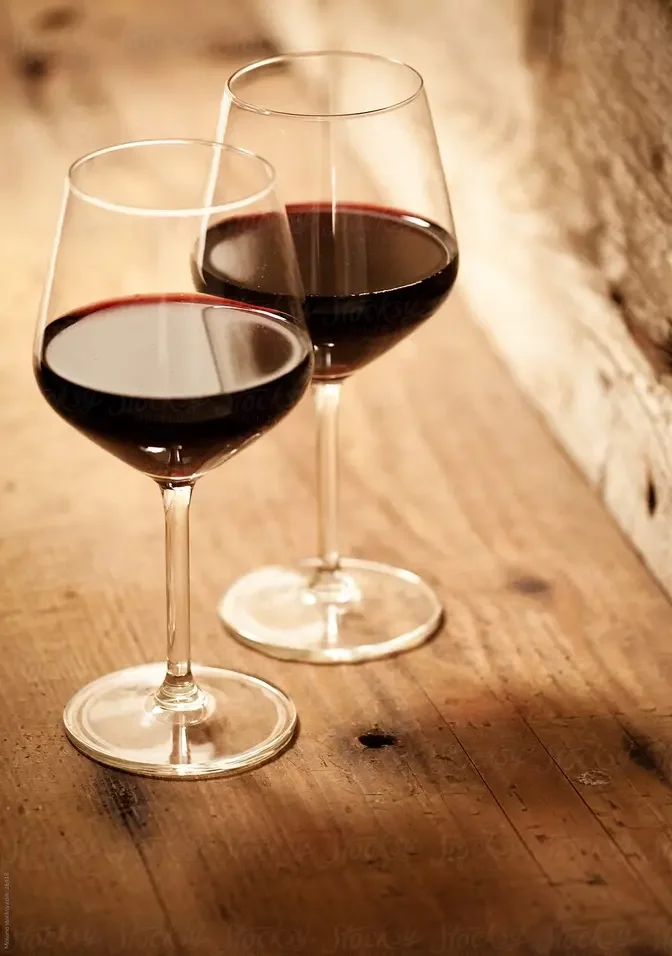
I have used this glass in this Video: Stem Zero Powerful Red Wine Glass
#wineculture, #fanwinecellar
It's the end of the year,
and that means that it's getting colder.
There's Christmas decoration in every shop,
and the wine magazines release their top 10 lists.
I will taste my way through the top 10
of the world's biggest wine magazine, Wine Spectator,
to check whether they've picked the right wines or not.
Let's go.
Every year since 1988,
Wine Spectator has put together a list
of their wines of the year.
They say that the selection is based on quality,
value, availability, and excitement,
which is a fancy way of saying
they are picking widely available wines they liked.
That means that their top 10 list
does not consist of their highest rated wines that year,
because most people wouldn't be able
to get those cult wines.
The list is generally dominated
by the classic wine-growing regions,
and red wines play a much bigger role than whites.
This year's top 10 only features one white wine.
Overall, there are rarely real surprises
amongst the top 100,
but there are some unexpected picks,
like the 2022 Garçon Albariño from Uruguay,
in 52nd place that I recently tasted on this channel.
Some regions or wine styles are chronically underrepresented.
There were only two Rieslings from Germany,
one wine from Rioja, one wine from Austria,
and one wine from South Africa in the top 100,
and none in the top 10.
This year, four out of the top 10 were from the US,
three were from Italy, two were from Bordeaux,
and one, the only white, was from New Zealand.
Like last year, Wine Spectator presented their top 10
in slightly cheesy but professionally produced videos.
But am I the only one who noticed
that they filled the glasses too high,
presented them next to a sealed bottle,
and used a Bordeaux glass next to a Pinot?
My friends at Wine Spectator, I'm watching you.
I love looking back at the old top 100 lists,
and you can find all of them going back
to the first on Wine Spectator's website.
I picked the one from 30 years ago,
and the number one wine was the 1990 Chateau Latour,
which retailed for $80 back then.
That wine costs easily 10 times that today.
On a lie, I was in eighth place,
and it retailed for a whopping $42 back then,
and Domaine Rouleau's Les Tessons Clos de Montplaisir
was listed at $34.
I really should have started investing in wine
during my time at elementary school.
But now let's dive into the wines.
I'm going to taste them from number 10 down to number one,
but I'm going to leave out some wines
that I wasn't able to get.
So let's start off with number 10,
the 2022 Grey Wacky Sauvignon Blanc from Marlborough.
It received a score of 95 points from Wine Spectator,
and it's actually one of the cheapest,
if not the cheapest top 10 wine ever,
retailing for around $23.
The winery was established by Kevin Judd in 2009.
He was the founding winemaker at Cloudy Bay,
one of the, if not the most famous winery in New Zealand,
and they've been making really good wines for a long time.
So I'm looking forward to tasting this.
I think their style is fairly typical for New Zealand.
They do machine harvesting,
use selected yeast and stainless steel tanks mainly.
So this should be a pretty classic New Zealand Sauvignon.
The wine smells of limes and passion fruit.
There's a little bit of pea aroma as well.
Not cat's pee, but like green peas.
It's not very green though.
It's not a super green and grassy Sauvignon Blanc.
It's more on the riper side.
On the palate, it's super fresh, very precise acidity,
a little bit of grip, but is that a 95 point wine?
I don't think so.
You know, for me, this is a very classic,
typical Sauvignon Blanc from Marlborough.
It's very well made, but I would rate this 90 points.
I don't think it has the concentration, complexity,
the wow factor in order for me to go up to 95 points,
but well, that's just my opinion.
I think it's good that they included affordable white wine
from New Zealand in that top 10 list,
but I don't think this is an outstanding
or super interesting wine.
I think you can get that quality
from several other wineries in New Zealand as well,
but I mean, it's a nice wine.
Don't get me wrong, but it's not that great.
Give that spot to something different next time,
maybe a German Riesling, for example,
or just anything that is a little bit below the radar.
In seventh place, we have the Marchesi Antinori
Chianti Classico Riserva from Chianti.
This wine retails for 50 US dollars
and received a 95 point score as well.
You know, this winery was also featured
in the 2022 Wine Spectator Top 10.
It's the Tenuta Tignanello,
and last year they actually included
the Tignanello in the top 10.
This time they included the more affordable version.
But yeah, this wine comes from the same estate,
but it is made from like a vast majority of Sangiovese.
There's a little bit of other grape varieties
included as well,
even though they don't exactly list what the blend is.
A Riserva has to be aged for 24 months,
so this is actually a pretty recent release,
and it's probably still pretty young.
You know, Antinori is actually one of those wine brands
that is involved in lots of wineries all around the world,
but the winery or the business is still run by the family,
which kind of, for me at least,
gives it a little bit more personality and character.
You know, this wine is listed as 50 US dollars,
but it has a nice cork,
and I think it actually retails
for more like 40 euros in Europe.
So it's still pretty affordable,
considering that it's in the top 10 on spot number seven.
The wine smells of ripe cherries.
It's very pristine, very fruit-driven.
Oftentimes in Chianti,
I get some black tea flavors as well,
but this is really, really on the fruit.
On the palate, it's actually quite structured.
The tannins are grippy,
but there's also quite a lot of juiciness there
and the freshness that you get from Sangiovese.
With time in glass,
it actually unfolds a little bit more,
becomes a little bit more complex.
There's more spicy notes coming through.
Now, it's really well made, for sure.
Wine Spectator writes that the blend
consists of 90% Sangiovese,
and the rest is Merlot and Cabernet Franc.
Renzo Cottarella, the CEO
and head winemaker of Antinori,
actually loves Cabernet Franc.
He's a big fan of the grape variety,
and I expect him to use the grape variety
much more in the future for the wines from Antinori.
This is an excellent wine,
and I don't really have any complaints
apart from the fact that this is too young,
but at this price point,
this quality is really good,
a wine worth seeking out.
I wouldn't rate it 95 points, though.
I'm going to say this is a 93-point wine,
but a delicious 93-point wine.
In sixth place, we have the 2019 Dunn Vineyards
Howell Mountain Cabernet Sauvignon
from Napa in California.
This wine received 96 points from Wine Spectator,
and it retails for $175,
so we are in a bit of a different price bracket here.
The winery was founded by Randy Dunn,
who was the winemaker at Caymus before that,
and he settled in Howell Mountain
during a time when the potential of that place
wasn't quite recognized yet.
It later became the first nested AVA
within the larger Napa Valley AVA,
and today, this is definitely a place
where there's lots of great wine being produced.
This is a mountain area of Napa Valley,
so at higher elevation, producing more structured,
really aromatic and crunchy reds,
so let's taste this.
This wine is 100% Cabernet Sauvignon,
and it was aged for 32 months in 100% new French oak,
so yeah, lots of really high-end winemaking going on here.
Napa is actually one of those places
where you can produce pure Cabernet Sauvignon.
In most places, especially in Bordeaux,
you actually have to blend in other varietals
to give the wine a little bit more body and flesh,
but in Napa, you actually produce Cabernets
that are structured but also show quite a lot of body
and richness on the palate.
Beautiful.
Check out the color.
I mean, this is black, black.
The wine smells of creme de cassis,
a little bit of vanilla and sweet spices, cedar wood,
a little bit of smoke.
This is really rich and concentrated
and still pretty young.
I really don't know why I'm dressed all white
for a tasting of dark, dark red wines.
This is going to be a mess.
On the palate, this wine has lots of intensity,
concentration, but also really well-structured tannins.
There's lots of freshness at the finish as well.
This is a big wine, but a wine with balance,
so it isn't flabby, it isn't fat.
There's definitely a spine there,
just keeping everything in place.
Delicious.
You know, I don't really understand
how this could be 96 points and the previous wine, 95 points.
I think this is quite a step up from the previous wine,
even though that was delicious as well.
Obviously, this is also quite a bit more expensive,
but I'm going to rate this 97 points.
A delicious Cabernet.
In fifth place, we have the 2016
Mastro Berardino Radici Reserva from Taurasi,
and this wine received 95 points
and retails for around 73 US dollars.
The winery was established in the 19th century.
It's pretty well-known.
I actually have a case in the background here of that wine.
They are not sponsoring this channel.
No wine brand is sponsoring this channel.
But anyways, so this wine is actually,
some people got really excited about the fact
that it was included in the top 10, which I get.
It's an Iannico, a grape variety
that isn't super well-known.
It's from Campania, a region that is not super famous,
but it's actually a really well-established brand,
and in Italy, this is very sought after, very highly rated.
So it's not necessarily the most odd
or least obvious choice for Wine Spectator.
Like I said, this is 100% Iannico.
The grape variety can produce very structured,
a little bit bitter and tannic wines.
So this was aged for 30 months in large barrels
and used barriques to smoothen it out a little bit.
Not bad.
So this is actually the oldest wine in the top 10.
It was aged in barrel and in bottle.
So this should be more drinkable right now
than most of the other wines, but let's taste it first.
It's definitely quite a bit lighter in color
compared to the Napa Cabernet Sauvignon,
but that isn't really hard.
It is light.
I mean, it looks more like a Nebbiolo
or maybe a darker Pinot, so fairly light-colored red.
On the nose, it smells of strawberries, blueberries.
There's also a spice coming through,
black pepper, green pepper.
It's quite complex and really interesting.
There's even a certain waxiness coming through,
some flavors that remind me a little bit
of really dark chocolate.
So there's definitely lots of complexity here.
On the palate, this is, well, this is structured.
If you want to know what structure is,
taste this wine and you'll know.
It's kind of, the acidity is very present.
Tannins are also very present.
The body, I mean, it has 13.5% of alcohol,
but it doesn't feel heavy at all.
It's kind of really light because of all that structure.
And even though it's seven years old,
it is still very, very young.
This is also one of the problems with this style,
with Ayanico wines.
They tend to be really structured
and people don't really have the patience to wait for them.
I mean, I clearly also didn't,
but I definitely should have put this away for 10 years
and then opened the first bottle.
I think the rating from Wine Spectator
is pretty much spot on here.
I would also rate this 95 points, a delicious wine,
but definitely not something for everyone.
So now we are in the top three.
And in third place,
we have the 2020 Langebage from Pauillac in Bordeaux.
This received a score of 96 points
and it retails for $137, apparently.
I know this winery really well.
I used to live in Bordeaux for a bit
and I came to Pauillac fairly regularly.
And I really love their wines.
I mean, most people know Langebage.
It's fairly iconic.
It's not one of the most expensive wines
from the region, but it usually overperforms,
or definitely in the context of Bordeaux, it overperforms.
It's great quality and the price is still,
well, not completely crazy.
It looks like they revamped the label.
I didn't see that before,
but it's just a different material
and they've included some reflecting elements.
The vintage is, well,
it looks like they've written that in handwriting,
even though they definitely didn't.
Probably they did that in order to prevent fraud.
This is still a huge issue in Bordeaux.
Quite a lot of the wines are very expensive
and are produced in larger amounts.
So it is quite, well,
it can be quite a good business
to fake Lafite, Latour, Mouton, and so on and so forth.
So they should definitely step up their game
when it comes to preventing fraud.
Reading the back label,
I realized that the front label was actually revamped
in order to celebrate the new cellars.
2020 was the first vintage produced in their new cellar.
So yeah.
From Wine Spectator,
I learned that the nickname of L'Ange Parge
is also Lunch Bags in the US, apparently,
because, I don't know,
because people were drinking this wine for lunch in bags.
I have no idea.
But interesting, fun fact, I guess.
So this is a blend of 60% Cabernet Sauvignon,
31 Merlot, 4% Cabernet Franc, and 5% Petit Verdot.
This has a delicious flavor profile.
It smells of cassis, blackberries.
There's some spice notes,
some green notes coming through as well,
a little bit of pepperiness.
On the palate, the tannins are still very structured.
There's quite a bit of freshness
and vibrancy on the finish.
Really balanced wine that is still way too young.
You know, this spent 18 months in French oak barriques,
75% of which new, but you don't get any oakiness here.
And the fruit is so intense and flavorsome
that it really absorbs all the smoky notes
coming from the barrels.
This definitely opens up with some time in glass
and it's delicious.
And I just want to put the cork back in
because it's just too young.
I'm going to rate this 96 points as well.
A really delicious Bordeaux wine.
Just give it a little bit more time,
like 10, 15 years,
and then it's really going to be insane.
In second place, we have the 2021 Occidental Pinot Noir
from the fairly recently established West Sonoma Coast.
It received 94 points from Wine Spectator
and it retails for 65 US dollars.
This is not the only Pinot Noir in the top 10.
It's not even the only Pinot Noir
from Sonoma in the top 10.
In fourth place, there was a Pinot from Rayen,
a winery established by Dante and Carlos Mondavi.
Yes, they are part of the Mondavi clan.
And for some reason,
I actually met Carlo Mondavi a few days ago
and he poured one of his wines at an event
and it was delicious,
but it wasn't the wine that was included in the top 10.
So let's just focus on this.
The winery was established by Steve Kistler
who became famous for producing pretty outstanding Chardonnays
under the Kistler brand.
But now he moved really far west to the West Sonoma Coast
in order to produce outstanding Pinot Noir.
The West Sonoma Coast
is one of the most beautiful parts of California.
It's really rough and rugged
and it was quite difficult to produce wine here
for a long time.
The Pacific winds really cool down that area quite a bit.
So the wines that are being produced here
are really fresh and vibrant and lively
and yeah, can be super delicious.
Obviously, this is light colored.
Pinot tends to produce light colored wine,
so that's not a big surprise.
The wine smells of red currants, red cherries,
a little bit of roses as well.
It's really refined and elegant.
The oak is barely noticeable
and it is complex, light, and fresh.
The acidity is super precise.
The wine has body and concentration,
but it's definitely not too rich.
There's grippy tannins, but they are also,
they're not super intense.
So overall, it just, yeah,
it lives off its freshness and vibrancy.
The silkiness on the palate, this is good.
I personally think that this is absolutely delicious.
It's light, it's fresh, it's vibrant, it's nervy,
and it doesn't taste of burgundy.
Pinot Noir is always kind of compared to burgundy,
but this, for me, tastes quite Californian in style,
but without being super concentrated and rich,
the thing that most people think of
when they think of Californian pinots,
this is just the new wave, the fresher,
the livelier, the more precise style.
I'm going to rate this 95 points,
and while $65 is a lot of money for wine,
it's not that expensive
considering what pinot nowadays costs,
so this is definitely something worth seeking out.
So here it is, drum roll,
with one hand doesn't really work,
but here it is, the number one wine
from Wine Spectator's Top 100,
the 2018 Argeano Brunello di Montalcino.
To be honest, I wasn't aware of that winery,
and I was really surprised to see this wine
in the first spot, but maybe it's great.
I don't really know.
Like I said, I haven't tasted the wine yet.
The wine received a score of 95 points,
and it retails for 90 US dollars,
so I kind of thought, well,
maybe this is a newly established winery
or something where someone inherited the estate
and turned it around and made something great here,
but then I read the story,
and it didn't excite me all that much.
It was bought by a Brazilian billionaire
and a couple of other investors,
and they've kind of turned around the estate
and are now producing great wines.
I mean, in the end,
the quality of the glass is what really matters,
but this kind of story,
I don't really like it all that much.
It at least doesn't get me really excited.
I prefer wine from people who do the craft
and who are really involved
in the winemaking process themselves
and not necessarily wineries owned by billionaires
with limitless resources that are able to produce
really expensive, high-end wine.
Bonetto is obviously also made from Sangiovese,
so Sangiovese appeared twice in the top 10,
which is a good thing.
I love that grape variety, too.
This was actually aged for three and a half years
in large oak vessels
in order to give it a little bit more roundness, plushness,
and, well, let's see.
Pretty classic Buonello color.
It's not 100% red.
It's a little bit garnet,
and it's fairly see-through.
It's really, really light in color, really light.
The wine is actually fairly restrained.
It smells of plums, cherries.
There's a little bit of orange peel character
coming through as well.
Slight spice notes, too.
So it's pretty classic Buonello, I would say.
On the palate, it's structured.
The tannins are grippy.
The acidity is fresh and vibrant.
It's good.
It's good stuff.
Number one.
I'm going to rate this 92 points.
I actually think, yeah,
it's the least good wine in the top 10,
so I don't really understand
why this is in first place.
Yeah, anyone out there,
let me know down below.
But yeah, I think it is a good wine.
It's a really good Buonello,
but I'm pretty sure there are better Buonellos around
at a similar price point, too.
All right, this was a delicious tasting.
The overall quality of the wines was very high,
but I don't quite understand the ranking in some places.
It would be great to see Wine Spectator
include some smaller wineries,
maybe ones that don't have a huge reputation already
and are part of bigger companies.
But yeah, like I said,
the quality was at a very high level.
My favorite wines were probably the Dunn Cabernet from Napa.
The two Californian wines performed really, really well.
I loved the Lange Barge as well,
but not for today, maybe for in a few weeks.
The Sauvignon was delicious as well,
but just not at that level, in my opinion.
So thank you for watching.
I hope you enjoyed this video.
If you did, please like it down here,
subscribe to my channel if you haven't done so already.
My question of the day is,
what do you think about Wine Spectator's top 10?
Do you like it or not?
Let me know down below in the comments.
Until then, stay thirsty,
and I'm going to drink quite a lot of good wines
over the next few days.
Bye.