
Mozart - Exsultate, jubilate, K. 165/158a (1773) {Emma Kirkby}
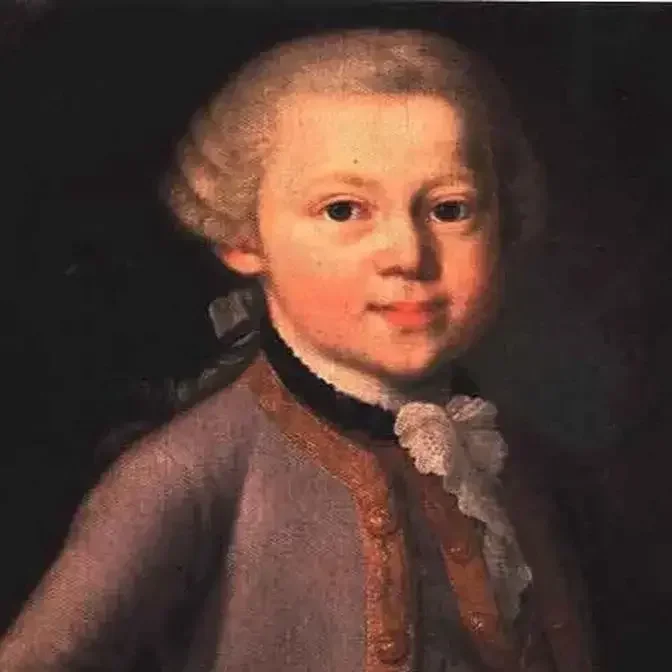
Wolfgang Amadeus Mozart (27 January 1756 – 5 December 1791) was one of the most influential, popular and prolific composers of the classical period. A child prodigy, from an early age he began composing over 600 works, including some of the most famous pieces of symphonic, chamber, operatic, and choral music.
Please support my channel:
https://ko-fi.com/bartjebartmans
Exsultate, jubilate, K. 165/158a (1773)
1. Allegro. Exsultate, jubilate (0:00)
Recitative: Fulget amica dies (4:40)
2. Tu virginum corona (5:26)
3. Alleluja. Allegro (11:02)
Emma Kirkby, soprano and the Academy of Ancient Music conducted by Christopher Hogwood
This religious solo motet was composed when Mozart was staying in Milan during the production of his opera Lucio Silla which was being performed there in the Teatro Regio Ducale. It was written for the castrato Venanzio Rauzzini, who had sung the part of the primo uomo Cecilio in Lucio Silla the previous year. While waiting for the end of the run (from 26 December 1772 to 25 January 1773), Mozart composed the motet for his singer, whose technical excellence he admired. Its first performance took place at the Theatine Church on 17 January 1773, while Rauzzini was still singing in Mozart's opera at night. Mozart made some revisions around 1780. On 30 May 1779, a Trinity Sunday, a revised version was performed by Francesco Ceccarelli at the Holy Trinity Church, Salzburg. Another revised version was intended for Christmas. The manuscripts of the two Salzburg versions were discovered in 1978 in St. Jakob, Wasserburg am Inn. While in modern times the motet is usually sung by a soprano, it was also recorded by a number of countertenors, including Michael Maniaci, Franco Fagioli, Arno Raunig [de] and Aris Christofellis (the latter recorded only the Alleluia movement).
The autograph manuscript of the motet is preserved in the Jagiellonian Library