
Carl M. Ziehrer - Eine Nacht bei Schwender, Op. 169 (1871)
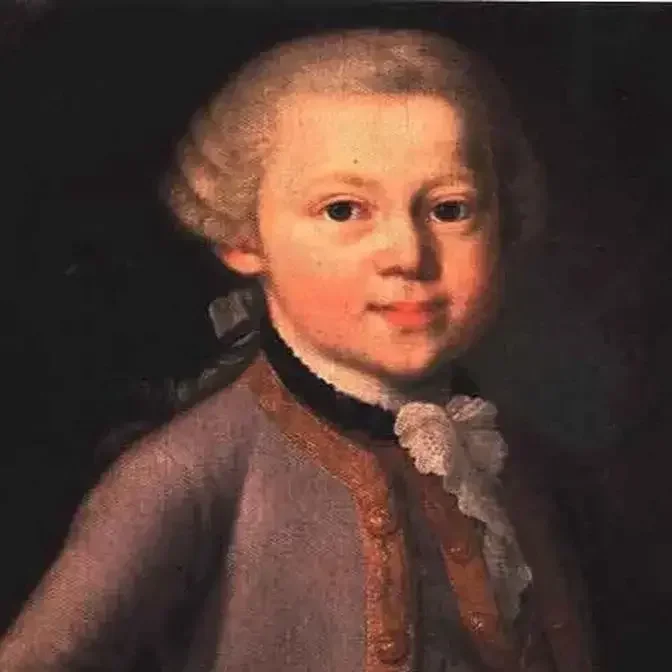
Carl Michael Ziehrer (more rarely spelled Karl Michael Ziehrer) (2 May 1843 – 14 November 1922) was an Austrian composer. In his lifetime, he was one of the fiercest rivals of the Strauss family; most notably Johann Strauss II and Eduard Strauss.
Please support my channel:
https://ko-fi.com/bartjebartmans
Polka-schnell "Eine Nacht bei Schwender", Op 169 (1871)
Dedication: Herrn Carl Schwender (1839-1877)
Münchner Rundfunkorchester conducted by Peter Seffert
This Polka gives a glimpse of what once was a staple of Viennese amusement; Schwender's ballroom; "Der Schwender".
Diagonally opposite (15, Reindorfgasse 1) stood the summer theatre of Alois Pokorny (Braunhirschentheater) from 1849 to 1862. Schwender had an imposing hall and a hotel built along Mariahilfer Straße (corner of Arnsteingasse) (15, Reindorfgasse [then Kirchengasse] 3). He brought the visitors to the suburb with the help of his own haulage company (country carriages, carts, later omnibuses). The steep slope on which the building was located made it possible to use the basement on the valley side as a vestibule as well as for restaurant rooms, kitchens, taverns and so on. The main entrance to the hall was located at the beginning of today's Schwendergasse, from where an imposing main staircase led to the ballroom, which was about the same as Schönbrunner Straße (today Mariahilfer Straße), which ran past it. At the front, connected to the hall, was the café. Above the magnificent staircase and the coffee house was the gallery of the hall, where one could also dine and in the background of which was a larger, separate theater room. There, Prof. Schütze performed his "Tableaux vivants" on a revolving stage.
After barely ten years, "der Schwender" was the most popular ballroom in the imperial city and so well attended that it had to be expanded. Schwender now built over the former cowshed. This part also contained rooms for various purposes on the ground floor and above it (parallel to the other hall) a huge dance hall. Both halls were connected by wide corridor bridges spanning today's Schwendergasse. The coffee house continued on the front of the city (it was located on the first floor, in accordance with the level conditions), while the opposite narrow side provided space for a terrace with a winter garden and pastry shop. The room for the orchestra was also on the first floor above the parquet floor and had the shape of a huge shell. Parallel to the dance floor and above it on both sides of the orchestra, the rooms of the restaurant stretched out. Stairs at both ends of the hall led to the ground floor. This room, called the "Bierhalle", had its own orchestra, where the "Deutschmeister" also played. The two halls were now called "Amorsaal" and "Florasaal" (the newer one). But soon even these huge rooms, now called the Colosseum, proved to be too narrow, and Schwender, sacrificing part of the garden towards the valley, built another hall, which he called the "Harmony Hall". Its vestibule on Arnsteingasse was connected to a theatre created at the same time with a capacity of around 500 people, which was in operation from 1849 to 1861. The stage was located at the back of the houses on Reindorfgasse, the cloakrooms and chancellery premises were located below the Florasaal (with access from Schwendergasse).
Schwender, who had previously set up a variety show in the beer hall, now transferred it to his theatre. The performances began only after the other theatres closed. The Harmoniesaal and Annexe were connected to the entire other establishment after 10 p.m. The actual theatre operation was leased by the agent C. A. Sachse, who was very well known at the time. The theatre was often used as an experimental stage. Many excellent artists have played there. The last director was Mrs. Cuerniawski-Löwe. On April 26, 1897, the theater closed its doors forever. It was in blue and silver and showed four magnificent pictures on the side walls: Krones as Youth, Ferdinand Raimund as Ash Man, Nestroy as Sansquartier and Scholz as Eulenspiegel. It had a gallery and four boxes. In the seventies of the 19th century, the establishment experienced its heyday. Schwender's "house balls" in the Cupid Hall were famous and popular with the citizens, the "rag balls" invented by him were just as frequented and the herring feasts on Ash Wednesday were extremely popular. Thousands of plates of garnished herring stood on long tables, surmounted by show dishes and culinary gems (such as "Lobster Duel", "Trout Minuet", "Orpheus on the Dolphin" [a giant salmon] and so on).