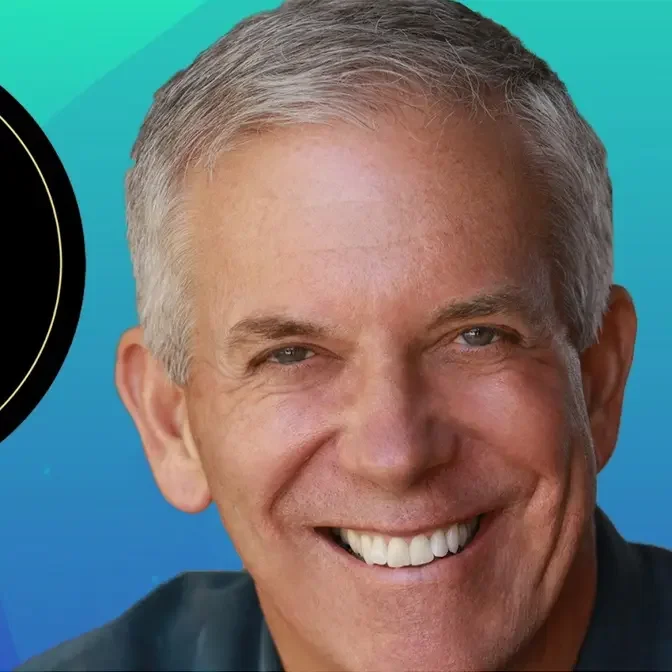
Discover how California is making travel more inclusive for everyone. In this episode of Pat Pattison’s Best of California, we highlight the partnership between KultureCity and the California Welcome Centers, now offering sensory‑inclusive kits for travelers on the autism spectrum, individuals with sensory needs, and those with invisible disabilities.
These kits provide tools that reduce stress, increase comfort, and help families and travelers enjoy California with confidence. From noise‑reducing headphones to visual cue cards, KultureCity’s resources are transforming the travel experience statewide.
We visit the California Welcome Centers to show how staff are trained, how the kits work, and why this initiative is becoming a model for inclusive tourism across the country.
California is leading the way — making sure every traveler feels seen, supported, and welcome.
Watch us in: Los Angeles KAZA (MeTV) Ch. 54 Sundays 7:30am
I'm so excited. We're in Ontario and I'm at the Ontario Welcome Center here at Ontario Mills
Outlet. And you are going to tell me your name and title. My name is Meg Raby-Klinghoffer and I
work full-time for the nation's, for the global leading non-profit in sensory accessibility,
Culture City. Culture City and that's why we're here. I'm Pat Patterson and I love California.
So tell me what Culture City is doing with the Welcome Centers. Yes, Culture City has partnered
with all 22 regional California Welcome Centers to provide training to the staff at each Welcome
Center in order to be able to identify the one in four kids and adults with sensory processing
challenges and needs, like myself, to be able to come alongside them and co-regulate. And then
also to be able to provide sensory bags that have research-based tools inside to meet the various
needs of the senses. And so this would be travelers that maybe are overwhelmed at a destination,
they need to regulate to calm down. I mean is that, tell me the purpose. Yes, that's a brilliant
question of why we're here. So what's really amazing about the Welcome Centers is they are
the go-to place as a resource, especially for individuals and families traveling. But think
autism, think ADHD, PTSD, Parkinson's, dementia, stroke recovery, you name it. It's one in four with an
invisible disability that have sensory challenges that make places that they visit feel either a
little too much or even not enough to regulate the body. And so at the Welcome Centers you can
actually check out and rent a sensory bag while you're visiting and keep it for the duration.
Oh my gosh, so take it back to your hotel room, do whatever. Yep, take it on all your adventures in the
various 22 cities. And the staff, all of the staff have been trained already and we are up and
operating. All of the Welcome Centers are also placed on our Culture City app, which is a free
app. And it will walk you through what you can expect at each Welcome Center, what does it mean
that there's a sensory bag, what's inside the bag, all that good information is on the app.
Wow, that's incredible. So Meg, show me what one of the kits is like. Absolutely. All right, I'm going
to pull out one tool at a time to show you. So inside every bag there's going to be a pair of
Wow. And what's great about them is they're adjustable to all head size circumferences. So
you put them on top of your head, you pull the earmuffs down. And the thing that's amazing about
these is I would still be able to hear our conversation, but what it's going to do is it's
going to lower the decibel level and then it's going to get rid of all the extraneous sounds
that are competing and that can become sensory overloading to the auditory sense. These are
amazing. We use these a lot with individuals with PTSD or autism or even dementia, where sounds can
be not only uncomfortable, they can actually be painful. But it doesn't affect safety, somebody
can still hear a car coming by. Yes, 100%. Even at a concert, like we have these at a lot of concerts
and on tours. Just bringing it down. Yes, making it more comfortable. What else? Then we have three
specific fidget tools and we call them tools at Culture City. Oh, I need those. I'm constantly
doing that. Totally. Try one out. And each of these tools provide a different tactile feedback. So
you have one that's a clicker, you have one where you're manipulating the marble. What's the worm?
There's a worm. And there's a worm. How did the worm get in there? Oh my gosh. And this one, yes, it's
the stretchy one. It's my, the one that I am. Your favorite. Actually, that one's my favorite. This is
I use this one a lot when I'm doing public speaking because it regulates it. You can't
help but get your brain off of the feelings of I'm in a fight, flight or freeze mode. But this
will help regulate the body. And again, there's three of these same three fidget tools are inside
all the bags. And then I won't take these out, but these are strobe reduction glasses. So they're
right. Yes. And they're different from sunglasses. They're a higher UV filtration and they work
really well for up to around 40% of autistic individuals have epilepsy. Right. And so they
can get ahead of seizing events. And then individuals recovering from a traumatic brain
injury. If they got hit in the back of their occipital lobe, they might have light sensitivities
and be prone to migraine. So these can help with that. And then you have two final things.
Probably my favorite. This is the feelings thermometer card. Okay. So tell me how that
works. On one side. Perfect. On one side, it has emotions. So what we know is if you can name and
identify your emotion, it automatically will lower the level of intensity that you are feeling.
And these are made specifically with non-speaking or nonverbal communicators in mind. But honestly,
anyone that's in a state of dysregulation or sensory overload benefits.
Be not able to verbalize their, what they're feeling. That might be frustrated or angry or
any number of other emotions. Absolutely. And this is a way to feel understood. You flip it over and
it has a variety of accommodations that are available, including those headphones and the
fidgets, even a cold drink of water. Sometimes folks might just need to know where they can go
and sit and access a quiet area. So these are in all of the bags. Okay. And what's great too,
is they're universally understood because you have the pictures. So if you speak a different
language, it's nice to have that. And then the final thing that's inside the sensory bag is the
VIP lanyard. And this is not required of a child or an adult to wear, but it's if you want someone
that has been trained within like the welcome center, or if you're going to a culture city
partnered place and they see this, they're like, Oh, I know. Yeah. I can help you. Yes. I know who
I can come alongside again. It's not required to wear this, but this is just another tool that's
available inside. So these will be at all the welcome centers. A number of them. Yes. And they
are to be rented 22. Wow. Which is awesome. Wow. Thank you so much. Thank you so much. Check out
your local welcome center, culture cities, getting these around to every one of them.
Pat Pattison's Best of California. Talk to you soon. I'm Pat Pattison and I love California.