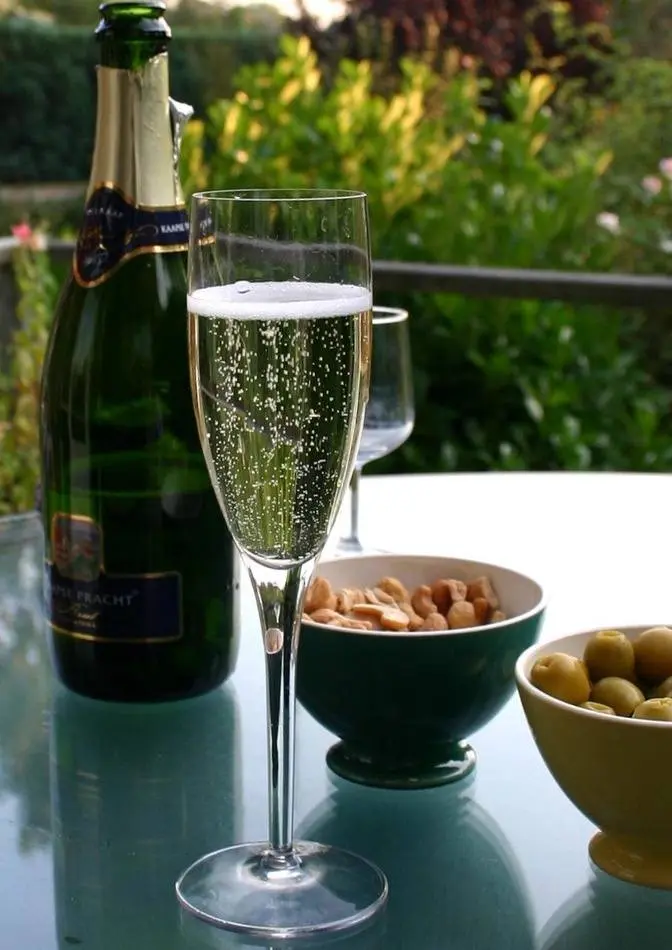
🍾 Today we’re diving into Grower Champagne—one of the most exciting parts of the Champagne world. If you’re curious about what sets these smaller, estate-produced Champagnes apart from the big brands, you’re in the right place.
What is Grower Champagne? Unlike the large Champagne houses that source grapes from many vineyards, Grower Champagnes are made by the same estate that grows the grapes. These are often labeled with "R.M." (Récoltant-Manipulant) and showcase a more distinct sense of place, often farmed organically or biodynamically. Grower Champagnes tend to have a more artisanal, terroir-driven approach—offering a truly unique tasting experience.
In this video, we’ll explore five exceptional Grower Champagne producers you need to know, from rich Pinot Noir expressions to mineral-driven Chardonnay. Each of these producers represents the pinnacle of craftsmanship in the region.
🌟 Featured Producers: If you're eager to taste these wines, you can shop for them directly on the Vint Marketplace.
Timestamps: 00:00 Introduction to Grower Champagne 00:31 What is Grower Champagne? 01:37 Egly-Ouriet: Bold and Expressive 02:45 Pascal Agrapart: Pure Chardonnay Expressions 03:55 Jacques Selosse: The Game Changer 04:53 Pierre Péters: Purity and Elegance 05:46 David Leclapart: Biodynamic Pioneer 06:37 Honorable Mentions 07:06 Conclusion and Where to Buy
Champagne lovers, have you ever wondered what grower champagne is and what the top grower
champagnes are? In this video we're diving into the world of five exceptional grower
champagne producers that you must know. Hello, I'm Adam LaPierre. Today we're venturing into
one of the most fascinating and artisanal parts of the champagne world, grower champagne.
If you've ever wondered what sets these smaller farmer-made champagnes apart from big names,
then you're in the right place. So what exactly is grower champagne? Unlike the large champagne
houses that often buy grapes from various vineyards across the region, grower champagnes
are made by the same estate that grows the grapes. These wines are often marked with the RM or
Récoltant Manipulant label. These wines tend to be quite distinctive, more reflective of a specific
place and often crafted with an organic or biodynamic approach to viticulture. In many
ways these are champagnes with Burgundian personality, crafted by the farmers themselves,
showcasing the distinct terroir of their vineyards. This can be in contrast to the big champagne
houses which source fruit from hundreds of different vineyards, often blending them to
create a consistent house style. In this video we will be highlighting five outstanding grower
champagne producers that deserve your attention. From rich, Pinot Noir driven champagnes to the
mineral and delicate expressions of Chardonnay, we'll explore what makes each of these producers
special. And stick around until the end for some honorable mentions that you won't want to miss.
Let's get started. First on the list is Egli-Orier, a family-run estate located in the Montagne de Rhin,
which is known for its powerful and Venice Pinot Noir based champagnes.
Under the guidance of Francis Egli, the estate has transformed into one of the most revered names in
producing bold, deeply expressive wines. Egli-Orier is all about pushing boundaries
in the vineyard. The estate focuses on old vines, some over 40 years old, across Ambonnet,
Bouzy, and Verzone, renowned villages for Pinot Noir. The fruit is picked at higher levels of
ripeness than most producers, which leads to fuller-bodied champagnes that are often
compared to red Burgundy. In the winery, Egli-Orier uses oak barrels for fermentation
to impart structure and depth. These wines are aged on their leaves for extended periods,
sometimes up to seven years, creating a luxurious, creamy texture. One of their standout
cuvées is the Blanc de Noir, made exclusively from Pinot Noir grown in Ambonnet. This wine showcases
Egli-Orier's signature richness, with intense fruit and mineral notes balanced by remarkable
length and complexity. Next, we head to the Cote de Blanc in the village of Avis, where Pascal
Agrippard creates some of the purest expressions of Chardonnay and Champagne. Agrippard is known
for its focus on single vineyard Blanc de Blanc, where the precision of the terroir is the star of
the show. Agrippard's vineyards, located in Grand Cru villages like Avis, Camon, and Ogier, are farmed
organically without the use of synthetic treatments. The chalky soils of the Cote de Blanc play a huge
role in the style of Agrippard's wines, imparting a distinct mineral edge. Agrippard uses minimal
intervention in the cellar, and the wines are fermented with natural yeast and aged in large
oat barrels, which subtly enhance texture without overpowering the purity of the fruit.
The Minervale cuvée is a flagship example of Agrippard's style. Sourced from chalk-rich vineyards,
it is a wine of great tension and finesse, with bright citrus flavors, piercing acidity, and a long
saline finish. Before we move on to the next producer, don't forget to give this video a thumbs
up if you're enjoying it, and hit that subscribe button for more in-depth wine content. We love
hearing your thoughts, so feel free to drop a comment about your favorite champagne producers
below. Our next stop is the revolutionary Jacques Salas, based in Avis. Anselme Salas is a game
changer in the champagne world. Known for introducing Burgundian techniques such as
oxidative winemaking and extensive use of oak, his champagnes are rich, complex, and often break the
traditional mold. The Salas approach in the vineyard is similar to that of Agliore, as both producers
emphasize the importance of organic farming and ripe fruit. However, what makes Salas truly stand
out is his focus on oxidative aging and oak barrels, which gives his champagnes a unique
character. The substance cuvée is particularly famous, made using a Solera system. This wine
blends multiple vintages, creating layers of flavors that evolve in the glass. Salas wines
are dense and intense, with notes of ripe orchard fruits, honey, and an oxidative nuttiness. These are
not champagnes for the faint of heart, but for those who love complexity and boldness. Next, we stay in
the Cote du Blanc with Pierre Peters, an estate that has been making champagne for over six
generations. While Salas uses oak to add layers of complexity, Pierre Peters specializes in purity
and elegance, crafting some of the most refined Blanc du Blanc from the Grand Cru village of
Pierre Peters is known for its careful blending of reserved wines. The estate's perpetual reserve,
similar to the Solera system by Salas, allows them to create champagne with both youthful
vibrancy and mature complexity. Their focus on Chardonnay ensures that the wines are mineral
driven with delicate floral and citrus notes and a crisp, refreshing finish. Their cuvée de reserve
is a standout, offering a beautifully balanced wine with layers of citrus,
white flowers, and a backbone of fresh acidity that speaks to the purity of their terroir.
Finally, we head to the Montagne de Rhin, where David Leclerc created some of the most unique
champagnes in the region. Known for his biodynamic approach, Leclerc's wines are as pure and energetic
as they come. His vineyards in Trapai are farmed with an emphasis on preserving biodiversity
and maintaining the natural balance of the vineyard. His champagnes are bottled without
dosage, resulting in wines that are incredibly expressive of their terroir. Like Salas and
Agliore, Leclerc uses oak barrels for fermentation, but his wines maintain a striking purity and energy
with sharp acidity and vibrant fruit flavors. Le Pot, his top cuvée, is made from a single
vineyard and showcases the intensity and focus that define Leclerc's wines. The lack of
dosage and the use of biodynamic practices create a champagne that is alive with tension and vibrancy.
Before we wrap up, let's give a nod to a few more fantastic grower champagne producers.
L'Armandier Vernier in the Côte de Blanc produces mineral-focused, biodynamic champagnes that are
incredibly refined. Georges Laval, based in the Vallée de la Marne, operates a tiny estate
but produces no dosage champagnes that are fresh and expressive. Lastly, Ulysse Collin crafts
powerful oak-aged champagnes that have quickly gained a cult following. That wraps up our list
of five grower champagne producers that you need to know. If you enjoyed this video, don't forget
to like and subscribe for more wine insights. Also, if you're interested in wines from these
producers, they can be found on the Vint Marketplace at vintmarketplace.com. To make
it easy for you, I've added links to all of the wines we currently have in stock for each producer
in the description of this video. And that is it for today. Cheers and thanks for watching.