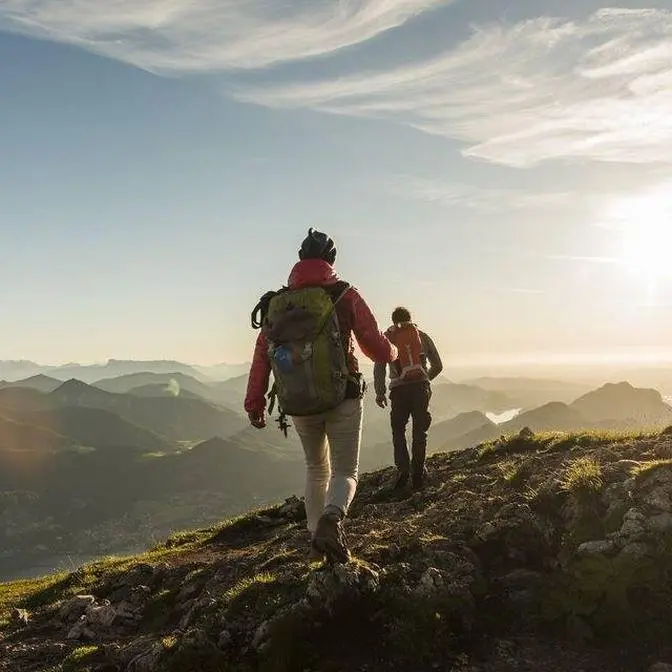
I spent 12 days hiking 100 miles through Pakistan's Karakoram range to see K2,
the second highest mountain in the world. A small group of subscribers joined me,
along with guides, porters, cooks, a goat, a few chickens, and a caravan full of pack animals
carrying everything we need. This was a full trek. It was also my first time in Pakistan,
my first time in an Islamic culture, and it felt completely unlike anywhere I'd ever been.
The route crossed loud, violent rivers, climbed over shifting rock and melting glacier ice,
and eventually delivered us to the foot of K2. Standing beneath its massive north face felt
surreal, like reaching the edge of the earth. And the journey would end with one of the hardest
passes I've ever crossed. Crampons on, I clipped into fixed rope and climbed through the cold
darkness of night. This is the story of that trek. We began in Islamabad. Our group met for
the first time and spent the day exploring the city. We exchanged money, wandered around the
Shah Faisal Mosque, and visited the Pakistan Monument. I did not see another tourist anywhere.
Locals stopped us constantly for photos and conversation. It felt warm and welcoming from
the moment we arrived. After lunch at Tandoori Restaurant, we drove up to Dami Kho viewpoint.
Monkeys watched us as the sun dropped behind the hills and the city lights came alive. It was a
calm introduction to Pakistan and the first glimpse of its energy and hospitality. The next morning,
a short flight took us north to Skardu, a desert valley surrounded by sharp peaks and braided
rivers. That evening, standing on the roof of the guest house, I listened to the call to prayer
echo across the valley. A quiet moment before everything would shift. This entire expedition
was organized by Spantik Expeditions, led by Aziz and his son Abdul. A year earlier, Abdul messaged
me on Instagram, inviting me to come hike in Pakistan. That message eventually brought me here.
From Skardu, we drove towards the trailhead in Askoli. The road was barely a road. Floods and
landslides had taken out entire sections. When a bridge was missing, the team unloaded the jeeps
and carried the supplies across by hand, and loaded everything again on the other side.
They had to do this multiple times, so the dedication from the Spantik team was obvious
from the start. Askoli is the last village before the wilderness. Small stone homes,
terraced fields, kids playing everywhere, the final touch of civilization before we stepped
onto the trail. The first day was long and hot. Lunch was fresh fruit, mangoes and melon
cut that morning. The porters and pack animals passed us eventually, including our goat,
who the group named Messi, because Messi is the goat. Rain came in and umbrellas came out. That
umbrella ended up being one of my most useful pieces of gear I brought. We reached camp tired,
but excited. Our bags were already waiting for us at the tents. We changed into dry clothes,
relaxed and settled into the rhythm of life out here. A large dining tent went up, tea boiled,
the chickens wandered around camp and dinner. Chinese food was served. The next morning
started with bread, eggs, porridge, fruit, coffee and tea. Simple, but perfect. I appreciated all
the warm water stations set out at each morning and before each meal. Being able to wash your face
and hands on a trek like this is a small thing that makes a huge difference. We followed the
river, which was brown and violent from flooding. The team carried so much Coca-Cola for us it
became a running joke. As clouds cleared, huge mountains revealed themselves on both sides of
the valley. Crossing a stream gave us our first real look at the sharp peaks we would be hiking
towards. Paiu was our final green campsite before entering the glacier. Camp shoes were essential.
Our team powered a generator for a couple of hours each evening so we could recharge cameras
and phones and drone batteries. The next day we stepped onto Baltoro Glacier. Rocks shifted over
ice, water seeping through cracks. The trail narrowed in places and demanded full focus.
The sun was strong and the umbrella saved me again. We passed Trango Tower, one of the most
iconic climbing walls on earth. Around midday the long train of pack animals caught up to us,
bells echoing across the glacier. Cobarse was a military outpost. Old fuel drums were scattered
everywhere. Aziz noticed holes in my trail runners and patched them up for me. That small act probably
saved the rest of my shoes for the trip. The next morning we hiked to Erderkas, a shorter day but
all uphill. We reached camp by lunchtime. I wanted to move faster through the trek but quickly realized
that it wasn't about just my pace. The porters, cooks, and animals all had the difficult jobs
that longer days would have made even harder. Each afternoon the cooks rolled fresh chapati by hand.
Dinner was noodles, chicken, and fried potatoes. Simple and comforting. Erderkas sits on a cliff with
unbelievable views in every direction. The next day we walked straight up the glacier past huge
ice melt towers and deep crevasses. Gosherbrum 4 glowed in the morning light. At lunch my appetite
was endless. I had seconds then thirds. I feel like I eat way more than usual hikers. At camp
popcorn really hit the spot. As the sun dropped the glacier melted just enough to reflect the light.
Chickens wandered around and that night sadly Messi the goat's journey ended and we had goat for
dinner. Nights were getting colder but I felt fully prepared with warm layers, all of the warm gear
that I needed, and my very own tent that they provided. This was the first time I ever had two
pads underneath me while sleeping and it kept me warm. The following morning was the coldest yet.
Water bottles left outside were frozen solid. We passed more exposed ice but the terrain slowly
flattened. The chaotic maze of broken glacier opened up into a wide valley. Then we reached
Concordia. This was the first time I saw it. K2. After days of walking it just appears and everything
goes quiet. You don't talk, you just stand there trying to take it in. Moments like this are why I
travel and make films but when I get home footage alone isn't enough. Music is what brings the
feeling back. I've tried other music sites before. Endless scrolling, safe generic songs, nothing
ever sounded like this. Musicbed is different. Everything's curated. Someone's already done the
so every song earned its place and when I can't describe a feeling their search tool helps me find
it fast. Real songs from real artists. When the right song hits it feels exactly like being there
again. Scan the code to start your 14-day free trial and see for yourself. Thank you Musicbed.
K2 looks unreal and compared to Everest which hides behind other peaks from its base camp
viewpoint, K2 stands alone perfectly centered between mountain ranges with a glacier rising
into its clean triangular summit. Looking back the way we came was just as beautiful.
The peaks behind us look sharper and more dramatic from this distance.
I flew the DJI Mavic Air 3 for a lot of this section. Concordia might be one of the most
beautiful places I have ever stood. Clear skies, massive peaks rising from a flat glacier,
just perfect conditions for us while we were there. There was even a small medical bubble
with a doctor on call. The next morning we woke to rain and clouds hiding K2. It was one of the
tougher days so I locked in with umbrella and music. During lunch everyone squeezed into the
dining tent which immediately steamed up from the stove flames. Fresh snow covered the entire
landscape towards K2 base camp. When we reached the base camp sign next to a Pakistani flag and a
single tent it felt surreal. A milestone after days of walking towards this one mountain.
We celebrated of course with some coke and boiled potatoes. Then we visit the Gilkey Memorial,
a cliff covered in plaques for climbers who died attempting K2.
A heavy moment and something not many people get to see in their lifetime.
The following morning everything was coated in frost. The sun came out and gave us our last
close views of K2. I showed this entire trip on the Sony ZV-E1 with a 16 to 35 millimeter lens.
My tripod at this moment fell over and cracked the lens which hurt but the camera survived.
I ate a lot of Snickers on this trek and drank a lot of tea. It was a short rest day with an
incredible sunset. The next day the team split. The pack animals and some gear returned the way
we came. From here on we traveled light. The terrain was covered in snow and deep ravines
slowed us down. This was the day I realized alpine glasses are essential. The reflection
off the snow was intense and I wish I had some more protected glasses. We checked our alpine
gear for the next day and went to bed early because we'd be waking up at midnight. It was
complete darkness when my midnight alarm went off. Quick breakfast, a coffee, and a prayer for safe
passage. We hiked uphill until the slope became too steep to continue without gear. It was freezing
so we wore every layer we had. Then we put on alpine boots, crampons, helmets, and harnesses.
I'd never done anything like this. It was scary and exciting at the same time.
We climbed a steep snow staircase and clipped from rope to rope. The altitude, cold, darkness,
and lack of sleep made this one of the craziest experiences of my life. Reaching the top was a
relief. The team unrolled a banner for a photo but it was still a little too dark to film the moment
the way I wanted. We removed our crampons and waited for sunrise. I stayed at the summit as long
as I could but eventually it was just too cold for me and the drone. After a little bit of descent
the light finally hit and I sent my drone up and captured some of the best footage of the trip.
Descending was tough though. I couldn't really film myself while rappelling which made me wish
I had a 360 camera. I'll definitely start to bring one when I have situations like this in the future.
Laila Peak, towering over Kashprong Camp, is one of the coolest peaks I've ever seen.
I recovered with tea and sleep. The hardest part was behind us. The next day was warmer
and downhill. Breathing felt easier and I even ran parts of the trail.
We had one big stream crossing and I watched the landscape slowly turn green again.
Trees returned, softer earth returned. At camp, tables and chairs were waiting. On the final day
we said goodbye to the old man who owned this camp. The last obstacle was a river crossing
in a hanging basket surrounded by ropes. We crossed slowly one at a time. My shoes were
destroyed by this point but thanks to Aziz's patch job earlier in the trek they survived
to the very end. We reached Hushay, a small agricultural village, and the trek officially
ended. The team got paid, the jeeps loaded up, and we began the long drive back to Skardu.
Navigating the same broken bridges we had crossed on the way in.
I am grateful I did this trek and it was one of the hardest things I've ever done
but that makes me feel more capable and more willing to do harder things in the future.
The culture, the food, the long duration, the gigantic pass, the lack of showers, and the
challenge of traveling with a group, all of it pushed me. I am really grateful to the other
hikers who joined me on this trip and there were a lot of moments that didn't really make the video.
The long conversations, the meals, the jokes, all the struggles that we went through. I'll be doing
more group trips in the future so keep an eye out for that if you want to join the next one.
Pakistan was incredible, some of the best mountain views I've ever seen.
And Spantik Expeditions took amazing care of us and I feel very lucky to have seen this trek
while it still feels raw and wild. This was one of the great adventures
of my life that I'll never forget. Thank you for watching.