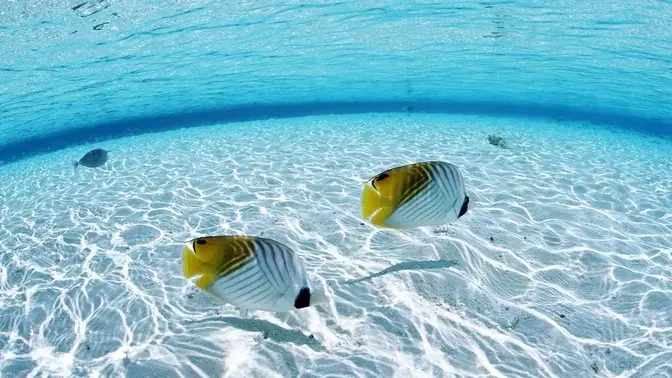
Explore the vibrant underwater world in "Dive into the Ocean part 2: Marine life with Sea Creatures!" This captivating animation brings to life a variety of ocean animals, showcasing their unique colors, shapes, and behaviors. From the graceful dolphin to the mesmerizing jellyfish, each creature is beautifully illustrated to capture the essence of ocean life. Join us on this educational journey, where you'll discover amazing facts about sea turtles, colorful coral reefs, and the importance of marine conservation. Perfect for animal lovers and curious minds of all ages, this video promises to inspire awe and appreciation for our oceans. If you enjoy this journey, please like and share! #sea#seacreature#ocean#lifeofthesea
Comments are disabled for this video.
Welcome to the ocean! Did you know that the ocean covers most of our planet?
It's a big, blue world full of amazing creatures. The ocean is home to tiny plankton and giant
whales. Colorful fish and scary sharks live in the ocean. What lives in the ocean? Let's
dive in and discover the wonders of the ocean. Are you ready for an underwater adventure?
Amazing Animals in the Sea
Dolphins are smart animals. They are known for their playful behavior and high intelligence.
Dolphins live in social groups called pods, which can consist of a few individuals to over a
thousand. These marine mammals are found in oceans all around the world, from tropical to temperate
waters. They talk to each other with clicks and whistles. These sounds are used for communication
and navigation. Dolphins have a sophisticated echolocation system that helps them find food
and navigate through the ocean. Dolphins can jump out of the water. This behavior,
known as breaching, is often seen during play or when they are hunting. It is a spectacular
sight to see these graceful creatures leap into the air. Dolphins eat fish and squid.
They are skilled hunters and often work together to herd fish into tight balls,
making them easier to catch. Their diet can vary depending on their habitat and the
availability of prey. Sea turtles have shells on their backs. These shells provide protection
from predators and are made up of hard, bony plates. Sea turtles are ancient creatures.
Having been around for over 100 million years, they lay eggs on beaches. Female sea turtles
return to the same beaches where they were born to lay their eggs. They dig nests in the sand and
lay dozens of eggs at a time. Sea turtles can live for many years. Some species can live up
to 50 years or more. They spend most of their lives in the ocean, only coming ashore to nest.
Some sea turtles eat jellyfish. They have special adaptations that allow them to eat these stinging
creatures without being harmed. Jellyfish are an important part of their diet. Seahorses are
very small fish. They are unique in appearance with their horse-like heads and curled tails.
Seahorses are poor swimmers and rely on their camouflage to avoid predators. They can change
color to match their surroundings. This ability helps them blend in with the coral and seaweed,
making them nearly invisible to predators and prey alike. Seahorses live in coral reefs.
These vibrant ecosystems provide them with plenty of hiding places and food.
Coral reefs are crucial habitats for many marine species. Seahorses eat even smaller animals. Their
diet consists mainly of tiny crustaceans and plankton. They use their long snouts to suck up
their food. Sharks are big fish with sharp teeth. They are powerful predators and play a vital role
in maintaining the balance of marine ecosystems. There are over 500 species of sharks, ranging in
size from the small dwarf lantern shark to the massive whale shark. Some sharks eat fish and
seals. They have a diverse diet that can include other marine mammals, crustaceans, and even
plankton. Their hunting strategies vary widely among species. Sharks are important to the ocean.
They help keep fish populations in check and ensure the health of marine ecosystems.
Despite their fearsome reputation, many shark species are threatened by overfishing and habitat
loss. The ocean has different layers, each with its own unique characteristics and inhabitants.
These layers are defined by the amount of light they receive and the types of life forms that can
survive there. The sunlight zone, also known as the euphotic zone, is at the top. This layer extends
from the surface down to about 200 meters. It is the most well-lit part of the ocean. Plants and
many animals live here, thriving in the abundant sunlight. Coral reefs, which are home to a diverse
array of marine life, are found in this zone. Below the sunlight zone is the twilight zone,
or dysphotic zone. This layer extends from 200 meters to about 1,000 meters. It is darker and
only a small amount of light penetrates this far. Animals here make their own light through
a process called bioluminescence. This helps them to find food and communicate in the dimly-lit
environment. Some animals in the twilight zone feed on organic material that sinks down from
the sunlight zone above, making use of the limited resources available. The midnight zone,
or aphotic zone, is very dark and cold. This layer extends from 1,000 meters down to the ocean
floor. No sunlight reaches this depth. Animals here eat whatever they can find, often relying
on food that drifts down from the upper layers or hunting other deep-sea creatures. The ocean floor
is home to many strange and interesting creatures adapted to the extreme conditions of high pressure
and complete darkness. Some animals here eat food that falls from above, known as marine snow,
which consists of dead plants, animals, and other organic material. The ocean is important to all
living things. It covers more than 70% of our planet and is home to an incredible diversity
of life. From the smallest plankton to the largest whales, the ocean supports a vast array of
ecosystems that are vital to the health of our planet. We need to protect the ocean and its
animals. These creatures play crucial roles in maintaining the balance of marine ecosystems.
For example, sea turtles help control jellyfish populations, while dolphins are indicators of a
healthy marine environment. We can help by keeping the ocean clean. Participating in beach cleanups
and reducing our use of single-use plastics are simple yet effective ways to make a difference.
Every piece of trash we remove from the ocean helps protect marine life. We should not pollute
the water. Pollution from plastics, chemicals, and other waste harms marine animals and disrupts
ecosystems. By being mindful of our waste and supporting policies that protect the ocean,
we can reduce pollution. We can recycle and use less plastic. Choosing reusable items over
disposable ones can significantly reduce the amount of plastic waste that ends up in the ocean.
Recycling helps ensure that materials are reused rather than discarded. We can also learn more about
education is key to understanding the importance of marine conservation.
By learning about the ocean and its inhabitants, we can become better stewards of this precious
resource. We can visit aquariums and read books. These activities help foster a love and appreciation
for marine life, inspiring us to take action to protect it. Aquariums and educational resources
provide valuable insights into the wonders of the ocean. We can tell others about the importance of
Sharing knowledge and raising awareness about marine conservation can inspire others to join
the cause. Together, we can create a ripple effect of positive change. Let's all do our part to keep
the ocean healthy and full of amazing creatures. By working together and making conscious choices,
we can ensure that future generations will be able to enjoy the beauty and bounty of our oceans.