
Top 5 Sinh Vật Biển Lớn Nhất Dưới Đại Dương
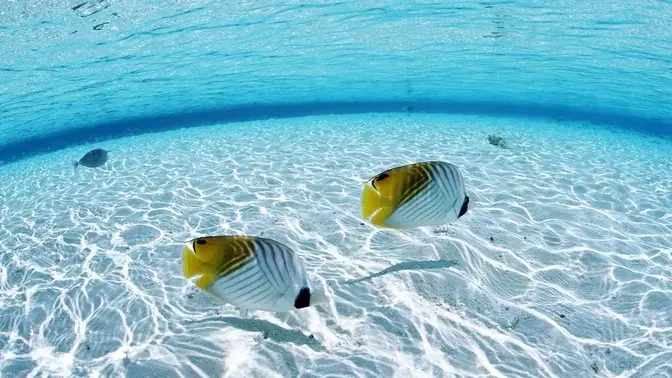
Hãy cùng chúng tôi lặn sâu vào thế giới bí ẩn và đầy mê hoặc dưới bề mặt đại dương, nơi tiết lộ 5 sinh vật biển lớn nhất từng được phát hiện. Từ cá voi xanh khổng lồ cho đến mực khổng lồ bí ẩn, những gã khổng lồ dưới nước này sẽ khiến bạn kinh ngạc. Khám phá kích thước khổng lồ, các đặc điểm độc đáo và cách chúng sinh tồn trong những vùng biển sâu thẳm. Đừng bỏ lỡ hành trình ly kỳ này dưới lòng đại dương xanh!
#sea #seacreature #ocean #lifeofthesea
Comments are disabled for this video.
Welcome to World Mystery Wonders. Today we're diving into the depths of the ocean,
home to some of the most gigantic creatures you could ever imagine. From gentle giants to
mysterious underwater beasts, join us as we explore the largest animals living under the
ocean surface. Fasten your seatbelt because this is going to be a fascinating journey
into the wonders of the deep. Part one, the blue whale, the king of the ocean.
Our first and most iconic giant on this list is the blue whale,
Ballinoptera musculus, the largest animal to ever exist on earth. Imagine a creature that
can reach lengths of up to 30 meters, 98 feet, and weigh over 170 tons, the equivalent of about
30 African elephants. Even its heart is the size of a small car. And here's the most surprising fact,
despite its massive size, the blue whale's diet mainly consists of tiny krill.
Every day, it consumes about four tons of these small crustaceans.
Blue whales are also known for their powerful sounds, which can travel hundreds of kilometers
underwater, acting as a form of communication among pod members. However, these gentle giants
face threats from pollution, ship collisions, and illegal hunting, making conservation efforts
critical for their survival. Part two, the whale shark, the gentle giant. The whale shark,
Rincodon typus, is the largest fish in the world, reaching lengths of 12 to 14 meters,
39 to 46 feet, and weighing over 20 tons. Despite its massive size, it is completely
harmless to humans. Its diet consists mainly of plankton, small shrimp, and tiny fish,
which it filters through its enormous mouth up to 1.5 meters, five feet wide, with the ability
to filter over 6,000 liters, 1,500 gallons, of seawater per hour. Whale sharks typically swim
slowly near the ocean surface, making them a popular attraction for tourists in places like
the Philippines, Mexico, and Australia, where people can swim alongside them. Their distinct
appearance features a bluish-gray back with unique white spots and stripes, much like fingerprints,
allowing scientists to identify and track individual sharks. Unfortunately, whale sharks
face several threats, including overfishing, ship collisions, and habitat degradation. They are
currently listed as endangered and require urgent conservation efforts. Every encounter with a whale
shark serves as a reminder of nature's incredible beauty and diversity. Protecting them is not just
about saving a species, but also preserving the balance of marine ecosystems. By taking action now,
we can help ensure that these gentle giants continue to glide gracefully through our oceans
for generations to come. Part three, the giant squid, a legendary creature. The giant squid,
Architeuthis dux, has fascinated humanity for centuries, often depicted in myths as terrifying
sea monsters capable of dragging entire ships into the depths. Today, we know that these legendary
creatures are very real and more fascinating than fiction. They can grow up to 18 meters,
59 feet long, making them one of the largest invertebrates on Earth. The giant squid lives
at extreme depths, typically between 300 to 1,000 meters, 984 to 3,280 feet, making
encounters with humans rare and contributing to their mysterious reputation. They have massive
eyes, some as large as a basketball, which help them detect faint light in the pitch black ocean depths.
Their long tentacles lined with suction cups and serrated rings allow them to capture prey
like deep sea fish and other squids. Interestingly, their primary predator is the sperm whale,
with battle scars found on whales suggesting epic underwater encounters. Despite this,
much about the giant squid remains unknown, such as its mating habits and full life cycle.
Studying the giant squid is challenging due to its deep sea habitat, but researchers have made
significant progress using deep sea cameras to capture rare footage. This enigmatic creature
is a reminder that Earth's oceans still hold many secrets waiting to be uncovered.
Part 4. The Sperm Whale, the Deep Diving Master. The sperm whale, Physeter macrocephalus, is not
only one of the largest animals in the ocean, but also the world's best deep diver. Sperm whales can
dive to depths of over 3,000 meters, 9,800 feet, in search of prey, especially giant squids.
With a length of up to 20 meters, 66 feet, and a weight of around 50 tons, these whales possess
a large head containing a special waxy substance known as spermacidi, which helps them regulate
buoyancy and withstand extreme pressure during deep dives. Another remarkable feature of sperm
whales is their ability to produce incredibly powerful sounds underwater. These clicks are
used for echolocation and communication, and can be so strong that they're capable of stunning prey
or even cracking bones. Part 5. Nomura's Jellyfish, the Silent Giant. Finally,
we have the Nomura's jellyfish, Nymopolema nomurae, the largest jellyfish species in the world.
It can grow up to 2 meters, 6.6 feet in diameter, and weigh over 200 kilograms,
440 pounds. Though it looks soft and graceful as it drifts through the water,
Nomura's jellyfish can deliver painful stings that pose a serious danger to humans.
These jellyfish are mainly found in the waters of Japan and China. In recent years, their population
has exploded due to climate change and ocean pollution. This sudden increase in their numbers
has caused significant problems for local fisheries, making them an ecological concern. The ocean is a
world full of wonders and mysteries, and the massive creatures we explored today are just a
small glimpse of its vastness. These giants are living proof of nature's creativity and diversity.
However, like everything on this planet, they need our protection. Let's join hands in
conserving our oceans, the home of these incredible giants and countless secrets
waiting to be discovered. Thank you for joining us today. Don't forget to like,
subscribe to World Mystery Wonders, and hit the notification bell so you won't miss our next
adventure.