
Who is John Singer Sargent|Artist Biography|VISART
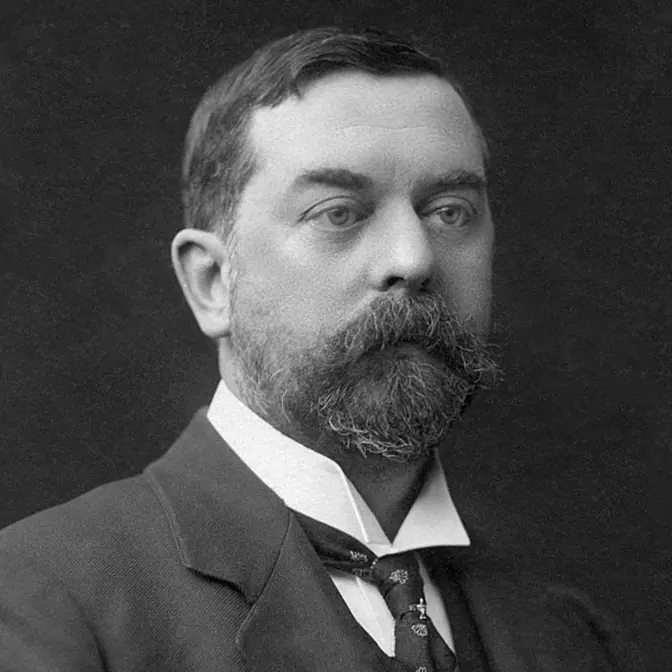
John Singer Sargent, an American expatriate artist, was born in Florence in 1856 and passed……
A biography of John Singer Sargent.#artist #Biography #VIS #VISART #JohnSingerSargent
John Singer Sargent, an American expatriate artist, was born in Florence in 1856 and passed
away in 1925.
He spent most of his life in Europe but gained international acclaim for his evocative portrayal
of Edwardian-era luxury.
Sargent was a skilled portrait artist who created roughly 900 oil paintings, over 2,000
watercolors, and countless sketches and charcoal drawings.
His technical facility was remarkable, particularly in his ability to draw with a brush.
His commissioned portraits displayed the grand manner of portraiture, while his informal
studies and landscape paintings reflected a familiarity with Impressionism.
Sargent's life was characterized by ambivalence about the restrictions of formal portrait
work, which led him to devote much of his career to mural painting and plein air work.
He was associated with the art movement L2.
Sargent's male nudes, previously hidden, were exhibited in the 1980s, leading to a
re-evaluation of his life and work.
His same-sex interests, unconventional friendships with women, an engagement with race, gender
nonconformity, and emerging globalism are now viewed as socially and aesthetically progressive
and radical.
Art historians generally ignored society artists like Sargent until the late 20th century.
Sargent was born in Florence, Italy in 1856.
His family were nomadic expatriates and changed locations regularly, spending time throughout
Europe, including France, Germany, Italy, and Switzerland.
His parents were quite private and avoided most society and Americans abroad.
Despite this, young Sargent received a high-quality education from his mother, who was an amateur
artist, and his father, a skilled medical illustrator.
Sargent was highly literate, accomplished in art, music, and literature, and fluent
in multiple languages.
His childhood interest in sketching eventually grew into a passion for painting.
Sargent received watercolor lessons from Karl Welch, a German landscape painter, at 13 years
of age.
Although attempts to formally educate him failed, he continued to learn from traveling
around Europe, visiting museums and churches, and studying firsthand the great masters.
Despite his willful, curious, determined, and strong personality, Sargent remained modest
and generous.
His father had hoped his interest in ships and the sea might lead him towards a naval
career, but Sargent ultimately became a world-renowned painter, known for his portraiture and landscapes.
Despite his success, Sargent remained humble and introspective.
His keen observations of the world around him influenced his work, which often contained
elements of naturalism and impressionism.
His art was appreciated throughout Europe, and he was often commissioned to paint portraits
of high society members, including presidents and royalty.
His unique style made his works instantly recognizable, and his artistic legacy endured
long after his death in 1925.
In conclusion, John Singer Sargent, an American expatriate artist, had a profound impact on
the world of art.
With a remarkable ability to capture the elegance of the Edwardian era, Sargent became renowned
for his evocative portraits and stunning landscapes.
His technical skill, particularly in his brushwork, was unparalleled, allowing him to create over
900 oil paintings, more than 2,000 watercolors, and numerous sketches and drawings.
While he excelled in the grand style of portraiture, Sargent also embraced the freedom and fluidity
of impressionism in his informal studies and landscapes.
Throughout his career, he grappled with the limitations of formal portraits, leading him
to explore mural painting and plein air work.
Sargent's impact extended beyond his artistic achievements.
His exploration of same-sex subjects, unconventional friendships, and engagement with race and
gender nonconformity was radical for his time and is now recognized as socially and
aesthetically progressive.
His life and work were reconsidered in the late 20th century, leading to a re-evaluation
of his contributions.
Born in Florence, Italy, in 1856, Sargent's nomadic upbringing exposed him to diverse
cultures and artistic traditions.
Despite not receiving formal education, his insatiable curiosity drove him to learn from
firsthand experiences, visiting museums, and studying the works of great masters.
Fluent in multiple languages and accomplished in various arts, Sargent's passion for painting
blossomed from his early interest in sketching.
Throughout his successful career, which saw him painting portraits of presidents and royalty,
Sargent remained humble and introspective.
His ability to keenly observe the world around him influenced his work, combining naturalism
with impressionistic elements.
His artistic legacy has stood the test of time, as his unique style continues to be
recognized and appreciated throughout the world.