
The ultimate guide to Cabernet Sauvignon
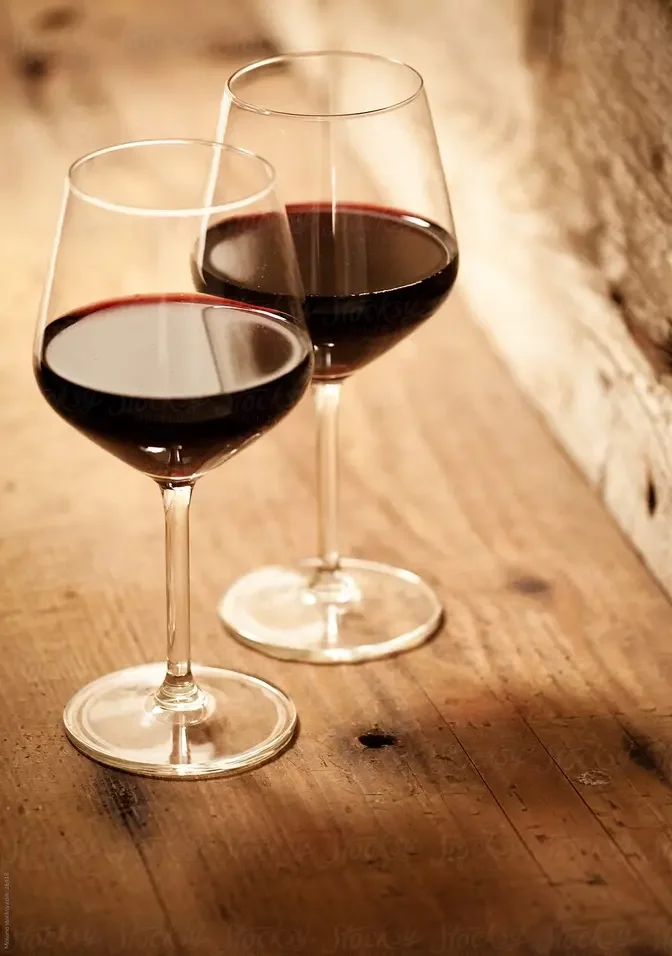
Everything you need to know about Cabernet Sauvignon in 5 minutes.
#wineculture, #fanwinecellar
Hi and welcome to the Intervino School of Wine.
Today we're going to be looking at Cabernet Sauvignon.
Cabernet Sauvignon isn't only one of the most
widely planted grape varieties in the world, it's also
arguably one of the greatest grape varieties.
But what does it taste like? Where does it come from?
Let's have a look together at this wonderful grape variety.
To pronounce Cabernet Sauvignon we're going to pronounce it the French way
It's a hard one to do. It's a bit like neon.
Cabernet Sauvignon. Cabernet Sauvignon originally comes from the
region of Bordeaux in the southwest of France.
It is the main grape variety used in appellations such as Margot,
Nowadays, however, Cabernet Sauvignon can be found
absolutely all over the world, especially in the warmer, drier climates.
The typical nose of Cabernet Sauvignon is going to show
aromas of black fruit, of violet, green bell pepper. The finer wines with a bit
of age are going to develop really interesting notes of cedarwood,
of coffee and of eucalyptus. Cabernet Sauvignon wines are
traditionally going to be solid wines. Wines with rather high
tannins, a medium sweetness and an important
acidity. This is especially true in Cabernet Sauvignon from the cooler
climates, climates such as the Bordeaux climate.
This solid structure is what gives Cabernet Sauvignon
its great aging potential. Richer Cabernet wines
are ideal for dark, leaner types of meat.
Meats such as beef or game. The wines from the cooler climates,
especially those with a bit of age, are going to be splendid with
richer, fattier meats. Traditionally, Medoc wine is paired
with lamb, especially roasted lamb. Cabernet is also going to be beautiful
with the less lean cuts of beef, such as rib of beef,
especially when it's grilled. Those smoky flavors from the meat
are going to be perfectly matched to the smoky aromas you get
when you have an oak-aged old Cabernet. Obviously, Bordeaux and the Medoc
region to be more specific. In Bordeaux, it produces some of the world's
very best and most exclusive wines. Also in Europe, Italy has
been a fantastic home to Cabernet Sauvignon.
This is especially true in Tuscany, where it's been the main grape variety
used for super Tuscan wines. It's now also been accepted in many of
Tuscany's appellations or denominazione, for example Chianti Classico.
Outside of Europe, the USA and California especially
produce some fantastic examples. South Africa also is home to some real
serious capsules, especially in the Cape region.
Australia has also been a producer of fantastic Cabernet Sauvignon.
South Australia and Western Australia produce
some truly world-class Cabernet Sauvignons.
Also to be noted are the rise of Argentina and Chile, who are starting to
produce some fantastic examples. If Cabernet Sauvignon rocks your boat,
I would recommend you taste Malbec, which is a bit more tannic but will have
a similar type of balance. But remember, there are a lot of Cabernet
Sauvignons for you to try, so you have plenty to discover before
you run out of new wines to discover. Obviously, the first and second growth
Bordeaux will be up there, but they're also the
most exclusive wines in the world and as a result
probably the most expensive wines in the world.
Chateau Margaux has to be on your list of
top 10 wines to try before you die. Also in Europe,
Sassicaia is a fabulous Cabernet Sauvignon dominated wine.
Dominus in California is also up there with the world's finest.
And then there's also Penfold's Bin 707 in Australia.
And at a much more affordable level, I'm going to include
Enzo Bianchi from the Valentin Bianchi winery
in Mendoza, Argentina, which is an absolutely fabulous
Cabernet Sauvignon dominated blend. I hope you've enjoyed discovering
Cabernet Sauvignon. Don't hesitate to leave your comments,
your questions in the comment section below.
Also, let us know what is it you'd like to discover, what
is it you'd like to know more about. Until our next video, I wish you a
wonderful time. Thank you for listening!