
Claudius Galenus
Claudius Galenus
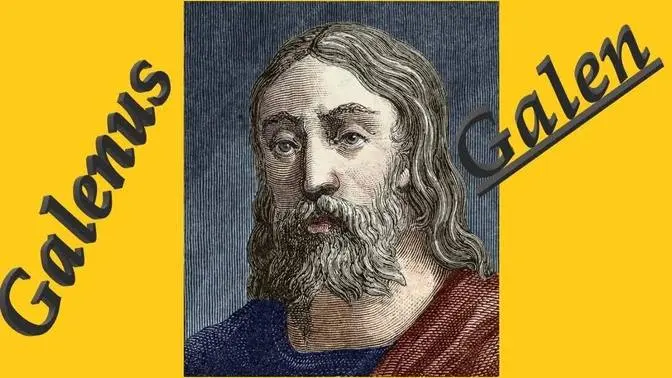
Claudius Galenus (AD 129–c. 216), commonly known as Galen, was a Greek physician, surgeon and philosopher of the Roman Empire whose writings shaped medicine for more than a thousand years. Born in Pergamon, in Asia Minor, he studied medicine for about a decade in centers of learning including Smyrna and Alexandria, then returned home to serve as physician to the gladiators of Pergamon, gaining practical experience in treating injuries. His turning point came when he moved to Rome around 162, where public demonstrations of anatomy won him renown, and he later became physician to the emperor Marcus Aurelius. Through careful dissection of animals, he showed that arteries carry blood rather than air and traced the role of nerves in controlling movement and the voice. He wrote hundreds of treatises, and his essay That the Best Physician Is Also a Philosopher reflects his union of medicine, learning and ethics.
Latest UpdatesLIVE




Medicine from Hippocrates to Laennec
Hippocrates taught that illness has natural causes and should be studied by careful observation; the physician's oath that bears his name still shapes medical ethics. Galen, a Greek physician in Rome, built on Hippocratic medicine, and his writings guided doctors for over a thousand years. William Harvey corrected Galen's teaching by demonstrating the circulation of the blood in 1628. René Laennec, an admirer of Hippocratic observation, invented the stethoscope in 1816.

 3 followers
 3 followers

 1 follower

 8 followers


