
Aristotle
Aristotle
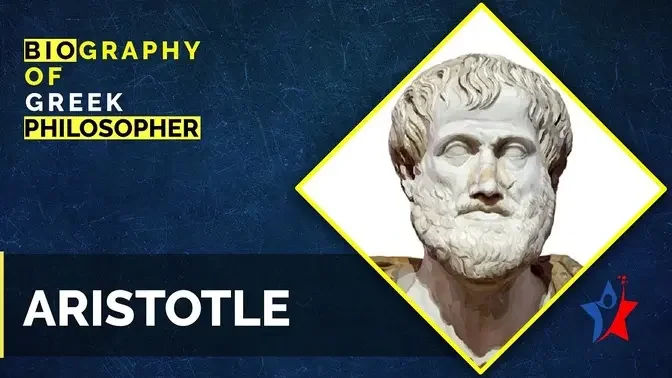
Aristotle (384–322 BC) was an ancient Greek philosopher and scientist whose writings span logic, ethics, politics, natural science and poetics. Born in Stagira in northern Greece, the son of a court physician, he came to Athens at seventeen and studied at Plato's Academy for about twenty years. He then tutored the young Alexander of Macedon, and in 335 BC he returned to Athens to found his own school, the Lyceum. In the Nicomachean Ethics he described virtue as a settled habit of choosing the mean between extremes and taught that human flourishing comes through a life of virtue and practical wisdom. He founded formal logic and pioneered the systematic observation and classification of living things. Preserved by Arab and Byzantine scholars and joined with Christian theology by Thomas Aquinas, his work was so revered in medieval schools that he was called simply “the Philosopher.”
Latest UpdatesLIVE




Shorts


Teachers and Pupils of Ancient Greece
Socrates taught in Athens through searching questions about justice and virtue, and his student Plato preserved his ideas in dialogues and founded the Academy. Plato's pupil Aristotle wrote on logic, ethics, politics and the natural world, and later tutored the young Alexander the Great, linking the founders of Western philosophy to the king who carried Greek culture across Asia.

 24 followers

 9 followers


View All
All featured content under Aristotle
