Technology for Humanity
Gan Jing World is dedicated to promote kindness, respect, and trust among people. Our non-addictive content prioritizes meaningful information, while upholding freedom of speech and user privacy.
Explore
SUBSCRIBE
Sign In
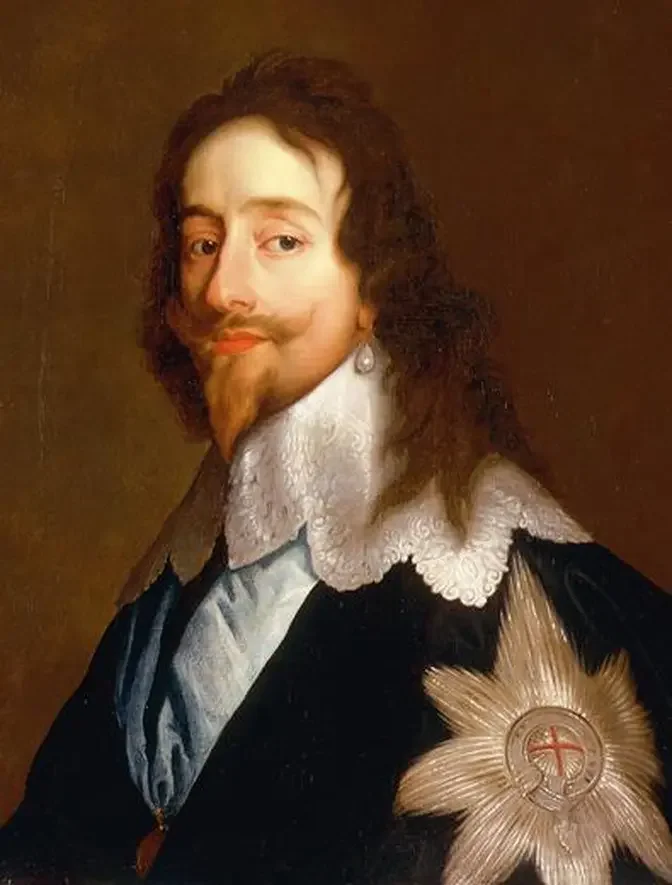
Charles I of england
Follow
1
follower
·
72
content items
Charles I (19 November 1600 – 30 January 1649) was King of England, Scotland, and Ireland from 27 March 1625 until his execution in 1649. Charles was born into the House of Stuart as the second son of King James VI of Scotland, but after his father inherited the English throne in 1603, he moved to England, where he spent much of the rest of his life. He became heir apparent to the kingdoms of England, Scotland, and Ireland in 1612 upon the death of his elder brother, Henry Frederick, Prince of Wales. An unsuccessful and unpopular attempt to marry him to Infanta Maria Anna of Spain culminated in an eight-month visit to Spain in 1623 that demonstrated the futility of the marriage negotiation. Two years later, shortly after his accession, he married Henrietta Maria of France. After his succession in 1625, Charles quarrelled with the English Parliament, which sought to curb his royal prerogative. He believed in the divine right of kings, and was determined to govern according to his own conscience. Many of his subjects opposed his policies, in particular the levying of taxes without parliamentary consent, and perceived his actions as those of a tyrannical absolute monarch. His religious policies, coupled with his marriage to a Roman Catholic, generated antipathy and mistrust from Reformed religious groups such as the English Puritans and Scottish Covenanters, who thought his views too Catholic. He supported high church Anglican ecclesiastics and failed to aid continental Protestant forces successfully during the Thirty Years' War. His attempts to force the Church of Scotland to adopt high Anglican practices led to the Bishops' Wars, strengthened the position of the English and Scottish parliaments, and helped precipitate his own downfall.
Charles I (19 November 1600 – 30 January 1649) was King of England, Scotland, and Ireland from 27 March 1625 until his execution in 1649. Charles was born into the House of Stuart as the second son of King James VI of Scotland, but after his father inherited the English throne in 1603, he moved to England, where he spent much of the rest of his life. He became heir apparent to the kingdoms of England, Scotland, and Ireland in 1612 upon the death of his elder brother, Henry Frederick, Prince of Wales. An unsuccessful and unpopular attempt to marry him to Infanta Maria Anna of Spain culminated in an eight-month visit to Spain in 1623 that demonstrated the futility of the marriage negotiation. Two years later, shortly after his accession, he married Henrietta Maria of France. After his succession in 1625, Charles quarrelled with the English Parliament, which sought to curb his royal prerogative. He believed in the divine right of kings, and was determined to govern according to his own conscience. Many of his subjects opposed his policies, in particular the levying of taxes without parliamentary consent, and perceived his actions as those of a tyrannical absolute monarch. His religious policies, coupled with his marriage to a Roman Catholic, generated antipathy and mistrust from Reformed religious groups such as the English Puritans and Scottish Covenanters, who thought his views too Catholic. He supported high church Anglican ecclesiastics and failed to aid continental Protestant forces successfully during the Thirty Years' War. His attempts to force the Church of Scotland to adopt high Anglican practices led to the Bishops' Wars, strengthened the position of the English and Scottish parliaments, and helped precipitate his own downfall.
Follow
Loading…
Loading…
Home
Shorts
Create
Topics
Library
Videos from Charles I of england
KING CHARLES I PRISON NORTHAMPTON ENGLAND
Great Monarchist Movie Scenes: King Charles storms the house of Commons (Cromwell 1970)
Stuart England - James I, Charles I & the English Civil War
England's Monarch Martyrs: Charles I & Richard II
The English Civil War | A Level History
Outbreak of the Civil War | A Level History
The Short and Long Parliaments | A Level History
Charles' Relations with Ireland | A Level History
Charles' Relations with Scotland | A Level History
Exam Question | Charles I | A Level History
Opposition to Personal Rule | A Level History
Personal Rule | A Level History
Home
Videos
Articles
Followers
Loading…
Videos
Charles I and Parliament | A Level History
Religion under Charles I | A Level History
Financial Issues under Charles I | A Level History