


Mould in a rental home often triggers an uncomfortable question about who must fix it. The answer varies across Australian states and territories, and depends on whether the cause is structural, maintenance-related or linked to tenant behaviour. Understanding general principles helps both landlords and tenants act fairly and promptly. This article explains typical responsibilities, how disputes arise and how evidence can clarify the situation. It is general information, not legal advice.
The Landlord's Core Obligations
Landlords generally must provide premises that are safe, habitable and reasonably maintained. Where mould results from leaking roofs, faulty plumbing, rising damp, defective waterproofing or inadequate ventilation built into the structure, responsibility usually falls to the owner. Tenancy legislation in each jurisdiction sets repair duties and timeframes, so tenants should report problems promptly and in writing to create a clear record. Prompt written notice also protects tenants if the matter later escalates.
The Tenant's Responsibilities
Tenants must keep the premises reasonably clean and avoid causing damage. Mould linked to drying washing indoors, blocking vents, failing to use exhaust fans or ignoring minor condensation may be attributed to the occupant. Wiping surfaces, ventilating rooms and reporting leaks early are expected. Failing to act, or hiding problems, can weaken a tenant's position if a dispute later reaches a tribunal. Evidence of reasonable care always strengthens the tenant's case considerably.
Why Cause Determines Responsibility
Most disputes turn on cause. Similar-looking mould may stem from a hidden leak or from lifestyle moisture, and each leads to a different outcome. Without objective evidence, both parties rely on opinion. Independent moisture readings, building observations and sampling can show whether ventilation, structure or occupancy is the dominant factor, giving a fair basis for deciding who should pay for repairs. Objective facts make negotiation calmer and considerably more productive for everyone involved.
Using Independent Assessment
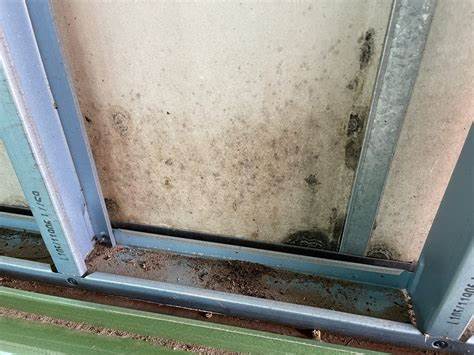
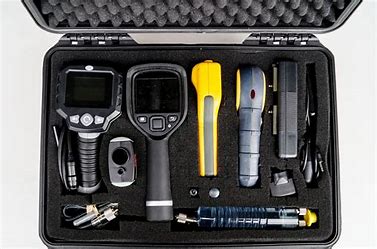
A neutral Mould House Inspection provides evidence that neither side can easily dismiss. The inspector identifies affected areas, measures moisture, traces its source and documents conditions with photographs. Landlords receive clarity about repairs, while tenants gain support for reasonable requests. Independent findings often resolve disagreements without formal proceedings and are valuable if disputes escalate to fair trading bodies or civil tribunals. Their neutrality means the report is respected by agents, owners and tenants.
Steps Both Parties Should Take
Tenants should photograph mould, notify the agent in writing and keep copies of all correspondence. Landlords should respond quickly, arrange repairs and consider engaging an impartial Mould Inspection Service before remediation. Cooperation matters, because mould worsens with delay and can affect health. If disagreement continues, contact your state tenancy authority or seek legal advice specific to your circumstances. Whatever the outcome, acting quickly and keeping communication respectful usually leads to faster and cheaper solutions.
Conclusion
Responsibility for rental mould depends on cause, local legislation and the actions each party takes. Landlords address structural and maintenance defects, while tenants manage everyday moisture and report problems early. Objective evidence removes guesswork and encourages fair outcomes. If you need impartial findings, mouldassessors.com.au can provide independent inspections and clear reporting to help landlords and tenants resolve mould concerns quickly and protect everyone's health and interests. Fairness starts with facts.