


Modern homes are filled with electrical wiring, appliances, wireless devices and smart meters, all of which generate electromagnetic fields. Most exposures are low, yet some households experience elevated levels from faulty wiring, nearby power infrastructure or poorly placed equipment. Public interest in possible health effects continues to grow. This article explains what these fields are, what research suggests, and how measurement can help you make informed decisions. Knowledge helps you respond calmly and sensibly.
What Household Fields Actually Are
Electromagnetic fields are invisible areas of energy produced whenever electricity flows or wireless signals are transmitted. Low frequency fields come from wiring, switchboards and appliances, while radiofrequency fields come from routers, mobile phones and cordless devices. Strength falls quickly with distance. Understanding which type is present matters, because each behaves differently and requires different measurement methods and mitigation strategies. Knowing the difference prevents wasted effort and helps you choose measures that genuinely reduce exposure.
What Research Suggests About Health
Scientific opinion remains divided. Authorities such as the World Health Organization have classified extremely low frequency magnetic fields as possibly carcinogenic based on limited evidence of childhood leukaemia associations. Some people report headaches, fatigue and poor sleep near strong sources, though causation is unproven. Because certainty is lacking, many families choose sensible precautions, particularly for bedrooms where people spend long, uninterrupted hours. Guidelines set by international bodies exist precisely because uncertainty remains.
Common Sources Of High Readings
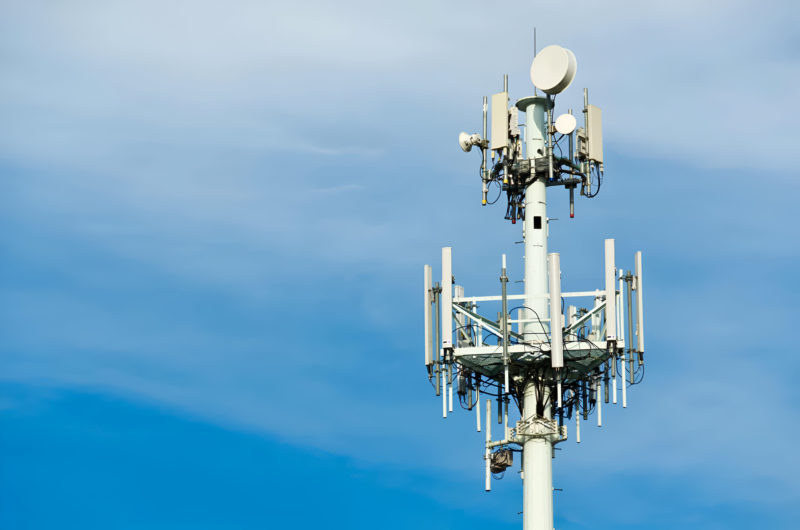
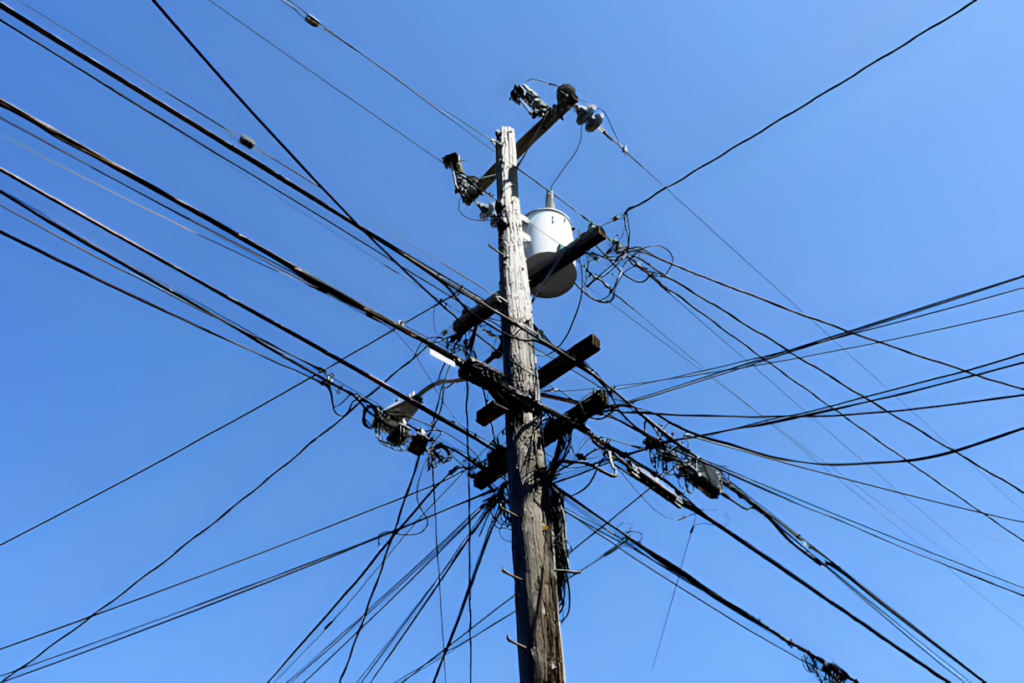
Elevated fields often trace back to wiring faults, incorrect earthing, transformers, switchboards on shared walls, electric blankets and dimmer switches. External sources include substations and overhead power lines. Wireless devices concentrated near beds or desks add radiofrequency exposure. Identifying the specific culprit is essential, since simple relocation or repair frequently reduces readings dramatically without expensive renovation or disruptive changes to daily routines. Quick, inexpensive fixes often solve the issue before anything major is required.
Signs Worth Investigating
Consider measurement if you live near major power infrastructure, sleep poorly for no clear reason, or notice symptoms that improve when you leave home. Buzzing from switchboards, flickering lights and warm outlets may also indicate wiring problems that deserve urgent electrical attention. Recording when symptoms occur helps a specialist providing Electromagnetic Testing Australia services target the right rooms and time periods. Keeping a simple diary of symptoms, times and locations proves surprisingly useful.
Why Professional Measurement Matters
Consumer gadgets are often inaccurate and easily misread. Qualified consultants use calibrated instruments, measure across rooms and over time, and compare results with recognised guidelines. Reliable Electromagnetic Filed Testing produces objective data instead of anxiety-driven guesswork. Good providers explain results plainly, rank sources by significance and recommend practical, proportionate changes that reduce exposure sensibly. Their recommendations might include repositioning furniture, correcting electrical faults or simply moving sleeping areas away from strong sources.
Conclusion
High household fields deserve measured attention rather than alarm. Although research is inconclusive, understanding your home's sources and reducing unnecessary exposure is a reasonable precaution, especially in sleeping areas. Objective measurement replaces speculation with facts. For calibrated assessments and clear, practical advice, contact mouldassessors.com.au and learn what is really present in your living spaces so you can make confident, well-informed decisions. Small, informed adjustments can make your home noticeably more comfortable and reassuring.