


Water leaks destroy wooden baseboards and drywall panels quickly when heavy storms lash coastal towns across Queensland. Finding a Mould Inspection Sunshine Coast expert becomes vital once damp patches start spreading up your living room walls. Local homeowners frequently panic when weird mould smells fill up hallway corridors after severe weather hits. Fast action stops fungal spores from ruining indoor air quality and family health. Qualified local specialists arrive quickly with thermal cameras to locate hidden wet zones before timber structure rot sets in completely across the property.
Locating Hidden Wall Moisture
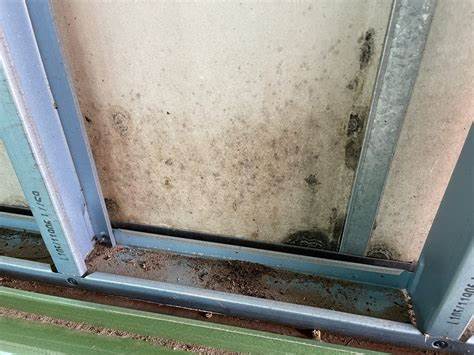
Moisture travels sideways along insulation batts and timber studs far away from the original plumbing pipe break. Technicians press pinless digital meters against plaster surfaces to check electrical resistance shifts caused by trapped water. Finding these damp pockets stops mold growth from spreading across interior framing structures. Pockets of humid air collect inside dark corners where home ventilation fails completely. Careful scanning ensures no wet spots remain hidden from view during property evaluations.
Checking Foundation And Slab Pores
Concrete slabs absorb ground water like a giant kitchen sponge when exterior drainage systems fail during heavy downpours. Technicians crawl under raised floorboards to check brick piers and wooden joists for signs of dry rot. Wet soil pressing against exterior foundation walls pushes dampness right up through floor tiles. Measuring slab moisture content takes patience and precise testing gear. Dry subfloors keep your carpets smelling fresh and clean all year round without persistent damp odors.
Testing Air Quality Inside
High indoor humidity ruins window frames and triggers allergic reactions among family members living inside the residential property. Digital hygrometers measure exact moisture levels in every bedroom and kitchen area during daily routines. Air samples capture microscopic vapor particles floating around damp carpets and upholstered furniture. Water Damage Inspection Report documents provide exact data on whether indoor air is safe to breathe or too wet. Proper airflow stops condensation from forming on cold glass panes during chilly winter mornings.

Evaluating Pipe And Roof Leaks
Roof flashing lets water drip into attic spaces whenever strong winds loosen metal sheets or exterior tiles. Plumbers check supply lines under bathroom sinks for slow drips that rot kitchen cabinets from the inside out. Gutter blockages also force rainwater backward under roof shingles during severe weather events. Every roof penetration needs a close look to verify rubber seals remain soft and flexible. Catching roof leaks early stops ceiling collapses before they happen.
Assessing Ventilation And Airflow
Bathrooms and laundries trap massive amounts of steam every single day from hot showers and spinning clothes washers. Broken exhaust fans fail hard, letting gross black mold bloom fast across ceiling plaster. Home inspectors hunt for tiny cracks in tile grout and tub silicone seals where hidden water leaks deep inward.Dry rooms stay fresh and welcoming for every household member. Proper extractor fans pull humid air outside the building envelope efficiently.
Reviewing Detailed Repair Reports
Written reports break down all discovered moisture issues using simple terms and clear color photographs for property owners. Homeowners read through specific repair steps before hiring builders to fix broken pipes or damaged wall studs. Clear data helps insurance claims move forward faster without endless back and forth arguments. Detailed documents guide contractors toward precise solutions.
Conclusion
Professional property evaluations give owners total peace of mind by wiping out silent biological threats from living areas entirely. Guarding your household begins with scheduling a proper health check for your rooms. Go to mouldassessors.com.au to book an expert property evaluation today.