
Alexander Pope Proper Study of Mankind is Man (Essay On Man)
Jul 29, 2023
Hello students. Today we are going to study about Alexander Pope. We already have completed
John Milton. We have completed on his blindness and when the assault was intended to the city
and today we are going to start Alexander Pope. You can see in the slide how Alexander
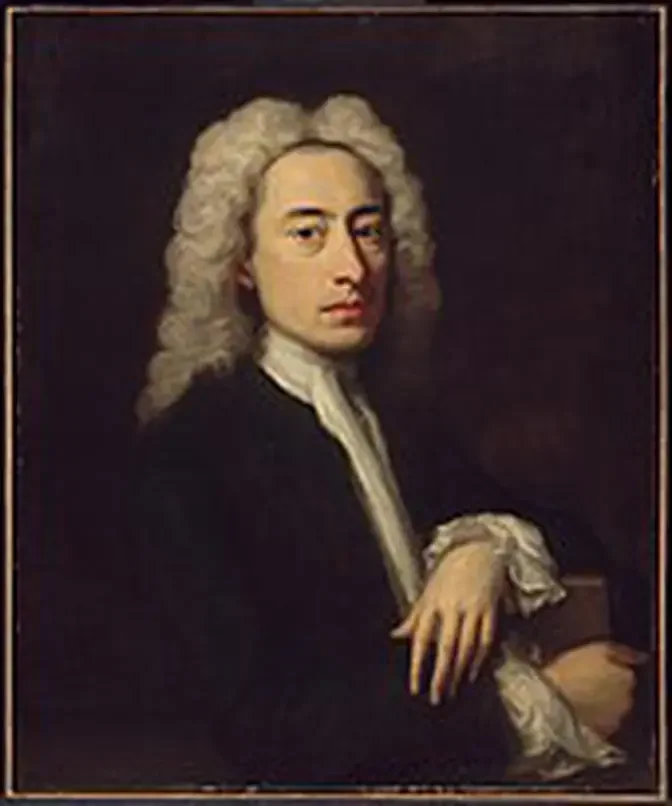
Pope look like. It's very important that we should know the writer. He belongs to
neoclassical age and this age is also called Augustan age. This age is also called age
of reason and it is also called age of enlightenment. Okay. So when you are going to write the introduction
of Alexander Pope, you should mention all these, right, that this age is also called
Augustan or age of reason or age of enlightenment. Okay. So this neoclassical age, it was the
age after the restoration. Okay. Restoration is something when you can say Narchy or the
kingship, it was restored in England. So whatsoever we are, when we study, when we say English
writer, we mean that it is the writer of England. Okay. So Alexander Pope basically belonged
to 18th century. So whenever you will mention that in which century Alexander Pope belong,
you will say that he belongs to 18th century in English literature, which is also known
as Augustan age. Okay. Or age of reason or age of enlightenment. So when we see division,
this division is, the period is 1700 to 1798. You have already studied that. Okay. All the
poem, all the poetry you see, it has a sequence. First of all, you have studied William Shakespeare.
Okay. This was the writer of Elizabethan age. Then you have studied John Donne. Okay. Then
John Milton. And now Alexander Pope. So you can see the sequence. These are the writer
who belong to certain age, like John Milton, he belong to Puritan age. Okay. It was the
time period before restoration age. So it has a pattern, right, in your syllabus. There
is a pattern in your syllabus. So we are going to study about Alexander Pope. Okay. Let's
see the next slide. Okay. Now we will talk about life and works of Alexander Pope. Okay.
So Alexander Pope, he was English poet, critic and satirist. He was born on 1688 in Lombard
Street, London. Okay. He was educated largely at home. Why it was so? Because he was a Catholic.
Okay. He was a Catholic. And he was a Catholic. So both his parents were Catholics. So he
was Catholic. And because he was Catholic, he was banned from teaching. Okay. He cannot
study in the regular schools. So he was excluded from the public education. And so he was educated
largely at home. And it was this period when he learned Greek, Latin, right. He know lots
and lots of languages. He was very intelligent. Okay. So in 1700, what he has done? He has,
when his family, it moved to Binfield in Windsor Forest. Okay. Where he started the rigorous
self-education. Ekdum wo dedication ke saath usne jo padhai start up nahi kar di. Aur itni
zyada rigorous wo padhai thi that it undermined his health. Okay. Uski health jo hai bahut
zyada deteriorate ho gayi, bahut zyada kharab ho gayi. So he contracted the first series
of illness. Bahut zyada serious illness usse hone lagi. Physical. Illness itni zyada strong
thi that he was deformed. Deformed matlab kya hota hai? Ki uski jo physical structure
hai wo change ho gayi. Right. Ki aap is tariqa se liye je ki uski growth ruk gayi. Itna zyada
usne khud ko padhai mein, studies mein involve kar liya that illness se wo strict ho gaya.
He was seriously ill and due to that he acquired a physical deformity. He was only four feet
six inch tall. Okay. Because why did that thing happen? Because there was curvature
in his spine. Uski jo spine hoti hai wo thodi si kya ho gayi thi? Deformed ho gayi thi.
That's why uski jo height hai wo chaar feet se zyada nahi badhi. Aur isse wajah se kya
ho gaya? Obviously uska body structure hai wo ekdum deformed ho gaya hai. Toh kya hoga?
Woh kya karega? Ghar pe hi wo lock kar lega khud ko for the rest of his life. Okay. Anyways,
physical lekin deformity, it does not stop him. Right. And after that he has, you know,
involved himself with studies and he started composing. So he, first of all, he has composed
pastorals. Right. It was published in the Poetic Miscellanies. Okay. It was sixth part
of Tonson's Poetical Miscellanies. And it was this year when an essay on criticism was
published in May 1711. And it has, you know, established his reputation. His reputation
was established. He become known. And another very well known mock heroic epic, he has written
The Reaper Flock, 1712. Okay. So there is an important club he has established. It is called
Scribblers' Club. Okay. He along with Jonathan Swift, John Gray, John Arbuthnot and Thorms
a literary club called Scribblers' Club. Okay. So this is a little detail about Alexander
Pope. Now we will see the next slide. Okay. Okay. Now I have written some literary feature
of the age. What was the age all about? Why Alexander Pope has written all those things?
It is very important that we should study. Right. The literary feature of the age, the
certain age to which a writer belong, to which a poet belong. Yeh jaana bahut zaruri hai that
why a certain poet has written, whatsoever he has written. What is the background? Okay.
So what was the literary feature of the age? That poet used to imitate the ancient Greek
and Roman writers. Isiliye wo term hai Augustan age. Right. Ki wo jo Augustas the, inko kyu
bola jaata hai? Classical, neo-classics. That's why because jo writers hai, they started looking
back to the idols and art form of classical time. Okay. Classical times ke jo art forms
hai. Unpe bohot zyada rely karne lage. Unko copy karne lage. Okay. Unke jo writing style
hai usse copy karne lage. Toh is age ki jo literary feature hoga, writing style hoga
wo kaisa hoga? Bohot zyada precise hoga. And formal hoga. Right. Formal writing. And there
is an elegant way of writing. Bahut elegantly wo likhenge. Structure ko bohot zyada focus
karenge. Rather than imagination. Okay. Unka emphasis kis cheez pe hoga? Ki cheezein bohot
formal ho. Right. Structure uska ek structure ho. Structure ke irzgir jo hai unki poetry
ho. Baat uspe nahi hai ki wo kya compose karen. But whatsoever they are composing, uska ek
form hona chahiye. Okay. Satire. Ye ek literary feature hai. Ki satire bohot zyada low karne
lage the. Okay. Satirical writing. Alexander Pope ka other rape of Locke hai. Satirical
verse. And prose also. Tumne Bacon ko padha tha. Bacon ka prose writing style dekha tha.
Right. Wo jo prose writing style wo kara karta tha. Wo thoda thoda satirical tha. Right.
Wo kya karta tha? Didactic bhi tha at the same time but satirical also. Okay. Translation.
Translation bhi hone lage the is time pe. Jitne bhi classical text the. Obviously translation
hoga. Right. Nature was an important influence. Nature bohot ek important influence tha on
Augustan writers. Nature se yeh nahi jaise ki romantics karte the that nature was a deeper
theme or the subject matter of the poetry of romantics. But rather nature when they
say nature. Nature means men and manners of society. Okay. So they examined the enduring
truth of human nature. Truth of human nature kya hai us cheez ko examine wo kya karte the.
Toh yehi cheez hum essay of criticism mein hum dekhte hai that Alexander Pope has once
stated. First follow nature and your judgment. Frame by her just standard which is still
always the same. Okay. So nature was an important influence of the age. And at the same time
important writers. Jonathan Swift ko humne dekha jab wo club mein ek saath kaam kare the.
Daniel Defoe jo tha important writer tha. And there were many. Okay. Toh fir ab hum next
slide dekh lete. Toh jo hum text jo hum dekh re the. Humara jo text hai. Ye jo text hai.
Tumne dekha hoga that agar text humne saamne khola hua hai. Toh text it's called the proper
study of mankind is men. So this is just a fragment. Okay. Just a part of the long poem
essay on men. It is just a small part. This essay on men. See you can see it here. It
is not an essay. It is a verse. Okay. Verse or we can say poem. Title thoda confusing hai.
That you may say that it is an essay on men. But it is not essay. It is a poem. Right. So
this poem it is didactic poem in heroic couplet. It is written in heroic couplet. Okay. Couplet
hai. So this poem it was published in 1734. And it is written in four epistles. And yes
this is important. It is dedicated to Henry St. John. Alright. Ye dedication hai. Ye bhi tum
likh lo. Ye thode se important facts hai. Jo tum kya kar sakta hai. Jab lines aayenge
verses mein. Ya phir aap kya kar sakta hai. Jab aap critical comments likenge toh usme ye
cheez include kar sakta hai. Okay. Ye thode se iski bio hai. Okay. Let's come up on text.
Hum kya karenge ki thoda thoda hum ek ek pehra. Ye ek pehra hum kar lete hain.
Aaj. Uske baad agar koi confusion hai isme. Toh tum usse poosh lena. Right. Aur wahi cheez
bas comment mein poosh nahi hai. And jo bhi log comment karenge. It will be counted as attendance.
Right. Just make sure ki kaun kaun tum log present ho. Usi saab se tum log attendance
lagegi. Okay. So let's study it. The proper study of mankind is. Oh god. Okay. The proper
study of mankind is men. Okay. Title aap dekh rahe hain. The proper study of mankind is men.
Ki mankind ki jo proper study hoti hai. Woh kaun hoti hai. Men hi hoti hai. Aap dekho men
pe universal term hai. Okay. This is a universal term. Ab yeh koi ho sakta ki
haan pe men kyu likha hai. Women kyu nahi likha hua. Toh this is this men is a universal term.
Universal term se kya matlab hota hai. That it meant human. Human may be men or women. Right.
Toh yaha pe jo men likha hua hai. Ye ek universal term hai. Jiska matlab ye dono genders ke liye
hai. That a proper study of mankind. A proper study which can be done about mankind is men
itself. Human ke baare mein yaani khud ko jaana hi aapki jo proper study hai. Ab hum dekhte hain.
Know then thyself. Okay. Yeh you can just see that yeh fragment hai. Right. Yeh pure
then yaha pe likha hua hai. Dekh sakte hoon yaha pe. Then. Okay. Toh isse hi is then se
hi pata chal raha hai ki yeh jo text hai yeh beech ka hai. Okay. Toh yeh jo text hai it is
taken from essay on men. And this these lines. These lines are taken from epistle second.
Okay. This essay on men. It is written in four epistles. There are four epistles.
Epistle kya hota hai? Ek form of writing hota hai epistle. Toh yeh jo epistle hai yeh
second epistle hai. Know then thyself. Presume not God to scan. Proper study of mankind is men.
So he is saying dekho upar usne kuch aur cheezein discuss kaniye koshish kar yogi. And then he is
saying here that you should know thyself. Dai means hota hai you. You should know yourself
and you should not presume God to scan. Presume karna. Taking for granted. Okay. Tum yeh mat
mano ya yeh mat socho that God will scan you. God will analyze you or God will judge you.
The proper study of mankind is men. So what the poet is trying to say here that you should
know yourself. Do not wait for the God to give you judgment to provide you judgment.
You should know yourself and do not think that God will examine you or God will criticize you.
The proper study of mankind is men. Okay. Proper study jo mankind ki ho sakti hai wo kya hai.
Men hi hai. Okay. Theek hai. Isme kuch confusion nahi hai. Placed on this isthumius of a middle
state. Isthumius. Isthumius kya hota hai. Isthumius aap yeh soch sakte hain ki ek tarika
se small piece of land. Jo kya kar raha hai which is jointing two large piece of land.
Okay. Yani ki chota sa ek jo earth ka aap ek tarika se tukda soch lo. Jo bade do lands
ko jodta hai. That is isthumius. Jo geography ke bache hai. Isthumius. Isthumius. Isthumius
kya hota hai. Aap dekho wo kya keh raha hai ki we are placed in the middle state.
Okay. Yeh ek middle state hai. Okay. Upar ve line mein he is saying that man should study himself
rather than studying anyone else or rather than doing anything else. He should study himself.
Aap wo kehta hai. Placed in the middle position is men. Yani ki earth mein. Earth ke jo beech
mein. Aap ek tarika se keh sakte hain ki jo earth hai wo round karte hai. Kis ke erdge?
Men ke erdge. Men jo hai ekdum center mein hai. Getting it? Yeh position ki baat ho rahi hai.
Ki men ekdum center mein hai. He is placed in the middle of earth. He is in middle. Okay. He is
neither in the lower world of water nor in the upper world of air. But he is where? He is on
earth. Isthumus mein wo state hai. Earth mein hai. Nah wo paani mein hai. Nah wo air mein hai.
Right. Wo kaha pe hai? Ek middle mein hai. Middle kaha pe hai? Earth. Okay. Aap being darkly wise
and rurally great. Darkly. Dekho dark matlab kya hota hai? Dark hota hai. Aap ek tari se keh
sakte hain. Black ko bolte hain ki dark. Right. Ki dark. Yaha pe jo dark hai. Dark basically
aap kya karte hain? Color ko hi karte hain. Black jo hai. Dark color hai. Lekin yaha pe jo dark hai.
Darkly se kya matlab hai? That he is full of secrets. He is full of secrets. He is being
a darkly wise and rudely great. Right. Ki wo kaisa hai? He is a man who is deeply wise.
Darkly wise and rudely great. Okay. Toh yaha pe men ko center mein rakha gaya hai and he is just
trying to analyze ki jo man hai. He should scan himself. Right. He should know himself.
Ki wo kya hai? Khud kya hai? Mankind kaun hai? Is cheez ko study karni ki yaha pe baat ho rahi
hai. Phir wo ussi cheez ko study karte hua aage batata chauthi line mein that man kya hai? He is
darkly wise, rudely great. Okay. Toh yeh jo opening stanza hai, yeh kya batata hai? He is
just showing the attitude towards men. Okay. Toh Pope kya yaha pe kehna chahata hai? Ki man
should be self-dependent. Right. He should know himself. He should not wait for the God to give
criticism or justice to him. He should not wait for God to scan him or analyze him.
He should just self-analyze oneself. Okay. Ab aage hum dekhte hain. With too much knowledge
for the septic side. See ab septic kaun hota hai? Septic is a person who doubts the truth
of particular claim theory. Yeh ni septic wo hoga jo kya karega. Agar aap kuch us cheez
kuch usko bol rahi hain toh wo kya karega? Us cheez ko doubt karega. You know. Usko pehle judge
karega. Analyze karni koshish karega. Obviously yeh kaun kar sakta hai? Jiske paas knowledge
hogi. Right. With too much knowledge for the septic side. With too much weakness for a stoic.
Right. Aap stoic kaun hai? Dekho dono opposite hain. Stoic kaun hota hai? Stoic is a person
jisse kya lagta hai ki pain aur jo pleasure hai wo equal hai. Stoicism. It is a theory.
Okay. Septic hona. Stoic hona. Toh jiske paas bahot knowledge hoti hai,
wo septic ho jata hai. Because he start doubting everything. Har cheez ki existence pe usse doubt
hone lagta hai. Koi bhi cheez wo easily nahi maanta. Usse har cheez mein kya karna hai? Usse
jaanna hai. Okay. He has too much knowledge to be understood by a septic. Men ko wo kehna chahara
ki that men is a mysterious creature. He can be understood neither by a septic nor by a stoic.
Ki men jo hai na bahot zyada mysterious hai. Itna zyada mysterious ki nahi septic usse
samajh sakta hai, nahi stoic usse samajh sakta hai. Getting it? Ki men dekho center mein hai.
How he is? He is mysterious. Mysterious jo cheez hai humein kaise pata chalti hai? Darkly word
that he is hiding secrets. Okay. He is rudely great and he is intelligent.
Itna zyada he is mysterious itna zyada that it can neither be understand by a septic.
Septic kaun tha? Septic? Septic kaun hai? Jo kya hai? Ek aisa person jo kisi bhi truth
ko easily nahi manta. Neither a man can be understood by stoic pride. Stoic is the one
jise kya hai? Pain aur pleasure mein koi difference pata nahi hai. Okay. He hangs between a doubt to
act or rest. Ab dekho jo men hai wo center mein khada hai. Right. He is hanging between doubt
to act or rest. Usse nahi pata hai. Okay. He is in center. Usse doubt hai her jeez ka. Ki
kya usse act karna chahiye. Koi action lena chahiye. Ya phir usse action nahi lena chahiye.
Jise Hamlet ke ek very famous line hai ki to be or not to be. That is the question.
Shakespeare ne jo likha hai Hamlet. To be or not to be. That is the question. That I should act
or I should not act. To yeh kya hai? Doubt some situation hai. Ki wo doubt mein hai.
Sometime he is in doubt to act. Sometime he does not act at all and he rest. At time he is quick
to act and at a time he is fixed to act or not to act. So this is a practical aspect of life
that human jo hota hai. Men jo hota hai. Wo kya hai? Beech ki sthiti mein hai. Center
mein wo hai. Usse samajhna hai kise khud ko hi. Men should know thyself. Khud se hi usse
khud ko samajhna hai. He is way too intelligent for a septic to analyze. He is too weak. Right.
He has weaknesses that a stoic can know a person. Stoic dikho kya hota hai. Ek tariqat se tum
sojo. Harmits hote hain. Sadhu jo hote hain. Stoic wo hote hain. Pain aur pleasure mein
koi difference nahi hai. Unke liye kya hai? Puri jo duniya hai. Okay. Saj cheez theek hai.
Chahe kisi ke darj se unhe koi matlab nahi hai. Kisi ke pain se unhe koi matlab nahi hai. Kisi
ke happiness se unhe koi matlab nahi hai. Okay. So jo man hai. He is hanging between.
Jo insaan ka person ka ek mysterious behavior hai. Usse depict karne ki yahaan pe koshish
kar raha hai. Right. He. Ab hum dekhte hain yahaan pe. Next line. In doubt to deem himself
a god or beast. Okay. Ab wo kya hai? Doubt mein hai. Wo kya doubt mein hai? That he is a god
or he is a beast. God aur beast se kya matlab hai? That he is a good person or he is a bad person.
Okay. Wo kya hai? Tum dekh rahe hoon na. To center mein hai. He is in doubt. Ki usse
act karna chahiye ya usse act nahi karna chahiye. Wo ek good personality hai ya phir wo ek bad
personality hai. In doubt his mind or body to prefer. Okay. To wo kya hai? He is placing
himself between god and beast. Because he is not sure about his own nature. Okay. Usse nahi pata
ke either I am god like or I am beast like. Okay. Aur yeh jo dono instinct jo hote hain.
Yeh insaan ke andar hote hain. Right. Ki insaan yaha to goddish hota hai ya beast hota hai.
Okay. Yeh dono element ek insaan ki personality ke andar hote hain. But jo
human jo act karta hai wo in dono ka mila hua roop hota hai. Okay. In doubt his mind or body
to prefer. Okay. Ab kya hai? Ab wo apni mind aur body mein kis cheez ko prefer kare. Is cheez
mein bhi usse doubt hai. Okay. To he is what? He is a creature of contradiction. Contradiction
ka hai ki wo knowledgeable hai ya phir wo ignorant hai. Septic and stoic ki humne baat
kari thi. Wo phir confused hai that he should act or he should not act. He should rest.
And how my nature is? How I am? Am I goddish or I am beast? He is in doubt between his mind
or his body to prefer. Kis cheez ko preference dini chahiye? That I should prefer my mind
or my body. He had the quality both of angelic. Angel like and beast like. Dono
born but to die and reasoning but to err. Err ka matlab hota hai mistakes. To commit mistake is
to err. Okay. To wo kya kehta hai? That he is lost so much in material pursuit that he forget.
He is born but to die. Getting it? Understanding this line? That he is born but to die.
Chahiye agar kisi human ka agar birth hora hai to ultimately uski death bhi aani hai.
Right? Usko death bhi aani hai. He is born but basically for what? For dying.
But human kya karte hain? Ye cheez bhool jate hain. He thinks that he is born but not to die.
Okay. Ab yaha pe writer kehna chahara hai ki he has reasoning. Dekho reasoning ka kya matlab
hai ki? Rational hona. Ki uske andar tark karne ki ability hai. Okay. To yeh kya kar raha hai?
Yeh ek tariqah se kya hai ki human jo ek rational being hai but at the same time he is committing
mistakes. Okay. Reasoning but to err. Ki he has reasoning. He has mind. But at the same time he
is committing mistake. Alright. So this is one paragraph we have completed. Just make sure ki
kya samajh mein nahi aaya raha hai. Just comment there. Okay.