What are the six types of traditional teas and how to brew them properly? Discover the delicate allure of six types of teas and by understanding the art of brewing, you can unlock the true essence of each tea and experiencing the finest flavors that have been cherished for centuries.
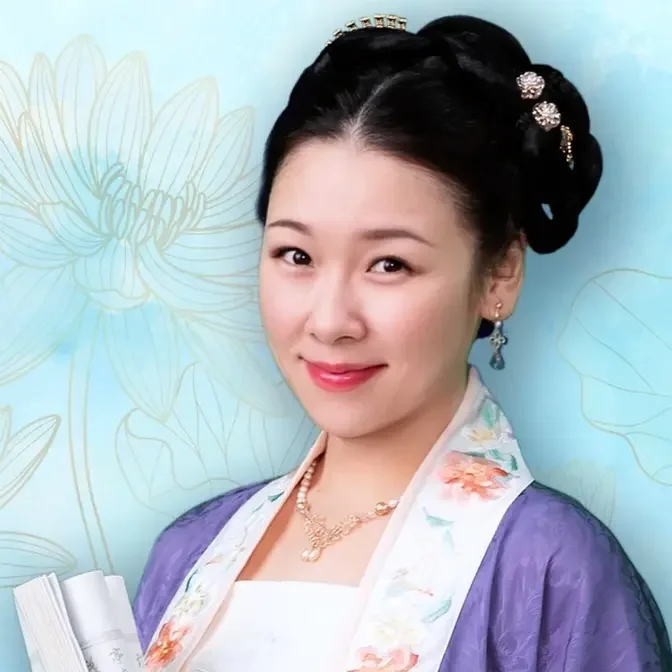
Hello everyone, I’m Ally
Let’s talk about tea today!
There are six major types of tea, white tea, yellow tea, green tea, blue tea, black tea, and dark tea.
What’s the difference, and what’s the proper way to brew them?
Let’s get right into it.
First of all, what is tea?
In a broad sense, any infused beverage can be called tea.
But if we are talking about traditional teas,
no matter white, yellow, green, black or blue,
they can only come from one type of plant - camellia sinensis,
also known as the tea plant or tea tree.
Everything else is often referred to as herbal tea.
Now you may be wondering,
if all types of traditional teas came from the same plant, what makes them so different from one another?
How can they look and taste so different as well?
The tea plant, camellia sinensis, is a magical plant.
Not only because it produces tea,
but also because it adapts to the surrounding areas and changes its qualities.
For example, the elevation, temperature, sun exposure, water quality, humidity and other factors all play a part in how the tea will taste
Therefore it’s impossible to reproduce the same type of tea in a different region, because the plant will taste different
So that is one reason why the same plant can produce different teas
The other and main deciding factor is how the leaves are processed
After a tea leaf is plucked from the tea plant,
it’ll naturally start an oxidation process.
How far the tea maker allows the leaf to oxidize will determine what type of tea it’ll become.
After plucking, when the oxidation is stopped immediately by heat,
it’ll become green tea.
When the leaves are allowed to oxidize partially before being stopped by heat,
it’ll become blue tea, or oolong.
When the leaves are allowed to oxidize completely,
it’ll become black tea.
So an easy way to remember is, green tea is unoxidized at all,
and black tea is fully oxidized, and oolong is anywhere in between.
That explains why oolong can taste so different from one another,
some are lighter like green tea, and some are richer like black tea.
Other than the natural oxidation process that occurs in the early stage of tea production,
tea makers also created two types of fermentation in the later stage of tea production
One is a sweltering process that turns green tea into yellow tea
The other one is called wo dui or pile-fermentation which lasts several months to many years to produce pu’er or black tea
Out of the six types of traditional teas, white tea is the least processed tea.
The leaves are only withered and dried,
therefore they best preserve the natural shape of the tea leaves,
even with the tiny silvery-white hairs still attached.
I often get asked if tea has caffeine
The answer is yes.
All traditional teas that come from the tea plant have caffeine
On the other hand, herbal teas usually don’t contain caffeine
such as lavender and chamomile
and are very good at soothing and calming, so are perfect to drink at night
But be careful of blended teas, for example jasmine green tea is a blend of jasmine flowers and green tea, therefore it has caffeine
African rooibos is often called red tea,
but it’s not from the camellia sinensis plant,
so it’s an herbal tea and it is caffeine free
Do you find drinking tea without milk and sugar to be unbearable?
If so, you might be brewing your tea wrong!
First of all, don’t use boiling hot water to brew every type of tea,
especially green tea
Green teas do not go through the oxidation process and are usually very delicate,
so it’s best to use water temperature at 165-185 degree fahrenheit,
the same goes for yellow tea
Japanese green teas are steamed,
so they require even lower temperature to brew
Oolong teas are usually okay with boiling hot water,
and you can make several pots with the same leaves
High quality black tea, contrary to what most people believe,
require 195 degree water instead of boiling temperature
Aged pu’er or dark tea is fermented,
therefore needs boiling water to “wake it up” first,
and it’s also better to dump the first 2 brews before drinking it
Last but not least, white tea also requires boiling water for the flavors to come out
Chinese people don’t drink traditional teas with milk or sugar,
because if teas are brewed correctly with the right temperature,
it should never taste astringent or bitter at all
When tea is bitter, it’s either that the temperature is too high,
or it’s been left in water for too long
So if you want to try loose leaf tea,
I highly recommend investing in tea pouches like this, or a strainer like this,
so you can take the leaves out when the tea is ready,
and save the leaves for another brew
I used to only drink sweet iced tea,
lemon tea, and boba milk tea when I was young,
until I had a sip of real Chinese green tea
I never knew tea can be so aromatic and delicious and I fell in love with tea ever since
Let me know if you’re interested in seeing the proper way to brew tea and learning more about the different types
I hope this video has been helpful
Don’t forget to follow me on Gan Jing World,
where I publish my videos first
Thank you for watching, and I’ll see you next time!