
Francisco Tárrega - Arr. of "O sole mio! & La Paloma" for Guitar (1859/98)
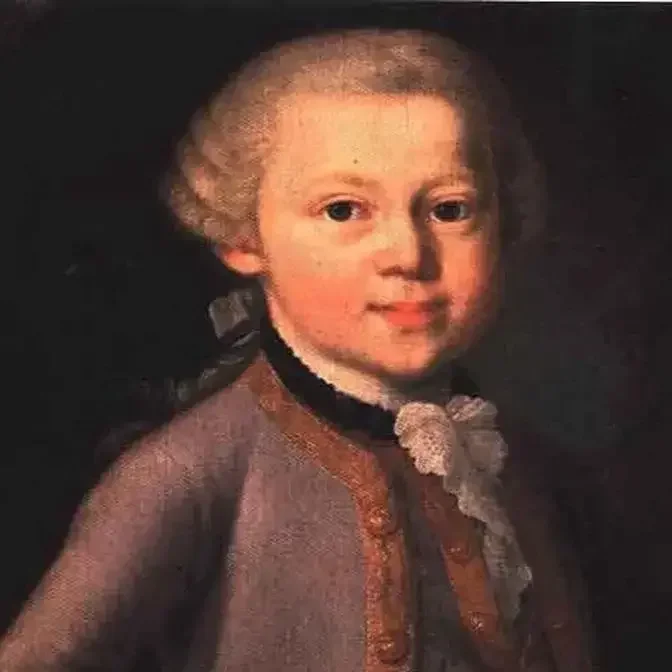
Francisco de Asís Tárrega y Eixea (21 November 1852 – 15 December 1909) was a Spanish composer and classical guitarist of the late Romantic period. He is known for such pieces as Capricho Árabe, Recuerdos de la Alhambra and Gran Vals.
Please support my channel:
https://ko-fi.com/bartjebartmans
1. 'O sole mio! (1898) composed by Eduardo di Capua & Alfredo Mazzucchi (0:00) date of arrangement unknown.
Copyist: Miguel Llobet (1878–1938)
Publisher Info: Manuscript, 1900.
2. La Paloma (1859) composed by Sebastián Iradier
date of arrangement unknown
Copyist: Miguel Llobet (1878–1938)
Publisher Info: Manuscript, n.d.
Giulio Tampalini, guitar
1. Eduardo di Capua (Naples, Italy, May 12, 1865 – Naples, October 3, 1917) was an Italian composer, singer and songwriter.
Emanuele Alfredo Mazzucchi (1878–1972) was an Italian composer and musician, known for being the co-author of some famous pieces of the Canzone Napoletana (Neapolitan songs) such as "'O sole mio", "Maria Marì", and "I' te vurria vasà".
Mazzucchi was a talented young composer who worked with the already famous Di Capua: Mazzucchi played his compositions, Di Capua listened to them and made some changes and then published them only in his name.
His contributions were not recognized for many years. Only on November 6, 1973, when the publisher "Casa Editrice Ferdinando Bideri" filed a complaint with the Ufficio della Proprietà Letteraria, Artistica e Scientifica (UPLAS) (in English Office of Literary, Artistic and Scientific Property), it indicated Mazzucchi as co-author of between 18 and 23 pieces signed only by Eduardo Di Capua. The Presidency of the Council of Ministers opposed the complaint, presenting an appeal accepted on April 29, 1994, by the first Section of the Civil Court of Rome.
In October 1999, a great-grandson of Eduardo Di Capua claimed his ancestor's sole authorship of "'O sole mio", but at the subsequent recourse of Mazzucchi's heirs, the heir admitted the collaboration between the two composers, so that the verdict issued by the Court of Turin in March 2002 recognized Alfredo Mazzucchi as co-author of the melody of a total of 23 total songs, which will therefore remain under copyright until 2042 (i.e. 70 years after the author's death).
2. Sebastián Iradier Salaverri (Salaberri) (20 January 1809 – 6 December 1865), or Sebastián Yradier, was a Spanish Basque composer.
Iradier is known primarily for his habaneras, especially the one titled "La Paloma", written around 1860 after a visit to Cuba. "La Paloma" was extremely popular in both Spain and the Americas (especially Mexico), where it was responsible for the great popularity achieved by the habanera. Radio Universidad Nacional Autónoma de México (UNAM) has estimated that there are more than one thousand versions of "La Paloma", and said that, together with "Yesterday" by The Beatles, it is one of the most recorded songs in the history of music.
Another of Iradier's compositions is "El Arreglito", a habanera used by Georges Bizet in his opera Carmen. Bizet, thinking it was a folk song, was inspired by the melody, and recomposed it as the aria "L'amour est un oiseau rebelle", also known as the "Habanera". When he discovered his mistake, Bizet added a note to the vocal score of the opera, acknowledging its source.