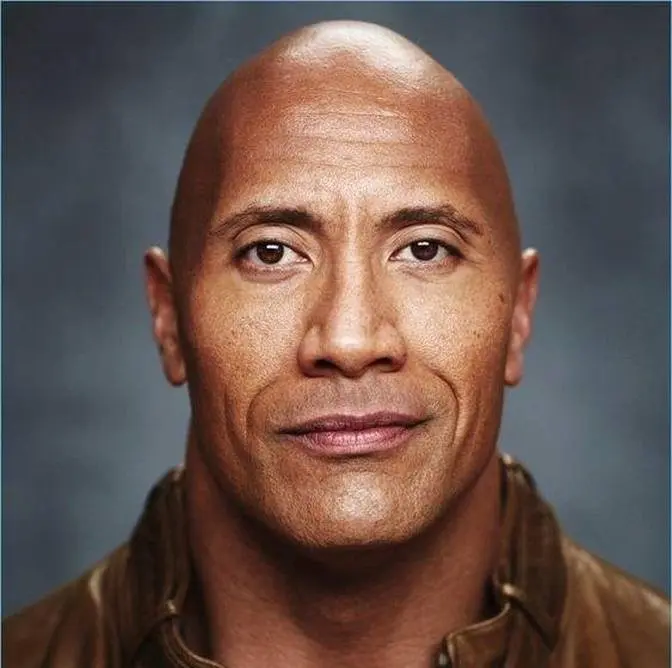
Actor Dwayne Johnson (‘Fast & Furious Presents: Hobbs & Shaw ,’ ‘Moana’) shares stories and insight from his performance in ‘The Smashing Machine’, moderated by Clayton Davis, Variety. This interview is part of the SAG-AFTRA Foundation Conversations series, an essential resource for actors, featuring leading actors and casts sharing their experiences, insights and craft. It took place on December 17, 2025, at the Meryl Streep Center for Performing Artists in Los Angeles.
The views expressed in the presentation materials and films, and by the guests and moderators are solely those of the organization and/or individual providing them and do not reflect the opinions of the SAG-AFTRA Foundation, its staff or Board of Directors. #film#entertainment#Dwaynejohnson#actor
AI Generated·May contain errors
Video Summary
AI Generated
Dwayne Johnson discusses his transformative role in *The Smashing Machine*, a biopic about MMA fighter Mark Kerr. He reflects on shifting his career focus from commercial appeal to raw, personal authenticity, the physical and emotional demands of portraying Kerr's struggles with addiction and loss, and how embracing vulnerability has evolved his identity as an actor and a man.
I didn't know I'd been waiting for this from you for so long and you kicked butt doing it. Can you
talk about just the pressure upon yourself or the relief to finally get to Unleash in a way that you
knew you were capable of? Thank you. It was the most freeing experience that I've ever had in
my career and I had a great conversation with Bennett Miller the other night. Bennett Miller
the other night about this particular thing, about how freeing this role was for me because
I had been waiting for this for a long time too but what I had been waiting for was just
I really wanted this opportunity in such a hungry way to challenge myself and to grow
and to get uncomfortable and do something that was really uncomfortable and this was
and I was chasing it for years. So around 2018 or so, 17 or 18, I just had this little voice
in my gut that was like, hey, there's more to do that is the challenge that you be honest with
yourself. What are you chasing right now? And I had that reconciliation with myself and then I
watched Uncut Gems and I was able to get this documentary, the rights of this documentary
called The Smashing Machine. I watched Uncut Gems in 2019. I loved it. I did meet with Benny.
Benny loved the material and then we made this film but Smashing Machine, I have been saying
and I said it to you when we first started talking is the movie really changed my life in ways that
I had not anticipated that it changed my life. It unlocks something but also, man, it just,
for years I've had a lucky career. I work hard. We all work hard. We do what we love to do,
which is tell stories and to act and just to get on set and hear action, cut, it's the best.
But for me, there was a part of me that I knew that I kept in here, which is all the ---- and
trauma that we go through in life that we know as actors, it's so crucially important to find a
place to put that stuff and we're so lucky that we could put it into our work. But for years,
the truth is I didn't want to do that because I felt like, well, that's for me to work out.
I didn't want to work it out. I didn't mind workshopping it in rehearsals and things like,
but I didn't want to put it on the screen and I felt like I had this idea in my head that's
worked for me for years, which was, hey, audience first. Take care of the audience. Send them home
happy all the time. That's important. Then I realized, well, wait a second. I love the audience
and we always want to take care of our audience and people who watch our films, whether it's 10
people or a million people, but you realize the most important thing is yes, take care of the
audience, but take care of yourself and take care of you as an actor and as an artist.
And that's what I realized for me. That's what Smashing Machine represented was the first time
I wasn't making a movie for the big four quadrant returns and the big studio and it's this budget
and I made the movie for me and for Benny and for Emily. I have been dying to ask you this
question because I thought about it later. I was at the premiere of the film over at the Toronto
Film Festival and there was a pre-reception before the movie. I'd already seen it and the real Mark
Kerr, gentle giant, but I was standing there with you and surrounded by all these MMA fighters.
I've never felt in so much danger, but also so well protected at the same time.
And you're a big guy, but I wanted to know if you felt like, I'm taking on an MMA fighter.
He hates this movie. They're all going to beat me up later. Was there an initial fear like,
I got to get this right for Mark and for my own personal safety?
Yes. Look, I did performative combat for a long time and wrestling, a big difference. I don't
punch in the face for real. I felt that pressure and you do feel that pressure because you're
playing somebody who's alive and not only are they alive, but it's not like Mark went on after
his career, didn't work out. As you guys saw, he didn't win the big championship and his life was
really never the same again after he lost in Japan. He tried, he struggled, he was addicted
to drugs. We showed one overdose in our film. He OD'd twice and it was really hardcore.
And so you have a guy who lived this life and you want to do right by him. And it's not like
after the film, I'm sorry, it's not like when his career was over, he went on to become a famous
journalist like you. He didn't go on to become like this podcast giant or this, or he's not like
covering UFC. He just, life went on and he struggled and that was his legacy for a long
time. So the pressure was there to do right by him and to also show him today. And that's why
it was important for Benny to show Mark at the end of the movie, just grocery shopping.
And what you saw on film is that's the real Mark Kerr. He's happy. He's sober. He is. Yeah,
he's sober and he, he's proudly raising, co-raising his kid. They've got a, they've got a
boy together. So the pressure was on. And I also want to point out that the pressure and you know,
Emily, so, so well, the pressure was on for Emily too, as well, because Don Staples at the end of
that documentary that came out in the mid two thousands, I don't, if you haven't seen it,
check it out. Now that you've seen the film, if you've seen it, then you know what I'm talking
about. That, that documentary showed Don in different light. And, and, and you know, there's,
there in every story, there's gotta be a good guy. That'd be a bad guy. Good girl, bad girl. She,
they villainized her in a way that was unfair. So for the last 20 something years, her legacy
publicly in that world of MMA was like, Oh, you're the girl who ruined his career. No,
he's the guy who ruined his career. She's the one who supported him through all of that
and gave up her own dreams. And, um, and all she wanted was just to be seen, you know? So anyway,
I, the reason why I'm bringing that up for Emily is because I'm just, I'm so proud of her performance
that she really just crushed it too in this movie. Yeah. Uh, I want to talk about, uh, Emily,
you gave me a great segue because the really uncomfortable raw moment, uh, the fight in
the apartment or the house rather. Um, if you guys don't know this, uh, not you have to read
a variety and it was written in there, but, um, uh, Benny hid the cameras all throughout the house.
So it gave you the freedom to just be around and really unleashing in the scenes. Can you talk
about that kind of creative freedom of not knowing where the camera is, is, and looking and just
feeling like if I want to turn away from you, I can without getting away from the light or
something like that. I'd love to bring that up because this is a room that will appreciate that.
So Benny in all those fight scenes, when we got into the house, especially the fight scenes,
kitchen, bedroom, bathroom, um, he, all those walls that was on a soundstage built and all
those walls were immovable walls, running water, real marble tub. Everything was real.
Um, with our production design, Benny did that so he could hide the cameras. So when Emily and I
walked in, so imagine we're all in a scene, we walk in, but we don't know where the cameras are
and we just, right. It's like, Holy ----. It just gives you a freedom like just to go in there and
you don't worry about where the cameras are because you don't know where the cameras are.
And then you could just live. And that's what happened. We were able to live in these scenes
and by the way, lighting, same thing, no lighting set up. So when you walked onto that set, it was
kind of just all in the ceiling. So we walked in to those and, and I think it allowed for that
rawness and that realness to happen because you guys know there's the movie version of fights
with men and women and coverage and things like that. Then, then there's the, um, then there's
the real stuff that happens that we've all gone through behind closed doors. And that's the stuff
that Benny wanted to show. And I feel like that's what we were able to be able to capture. And as
actors, I've never ever experienced anything like that because you're right. You know, we're in this
scene together. I want to know, Oh, there's a camera there. You guys. Okay. I don't want to
block your lighting. Okay. We're cool. Everything good. That is just, here we are. And before you
know it, you're not even thinking about a camera. Uh, one thing that, uh, you had mentioned to me,
you got a note that you've never gotten from a director before Benny Sapp. He said to you,
you got to get a bigger dude. Uh, and I want to know how he said it with a straight face,
but how did you, and then, and then, you know, cause you're playing Mark Kerr at his, like,
we see Mark Kerr at the end of the movie, there was Mark Kerr in the nineties though. And that's
you had to go for it. So talk about your routine and, uh, you know, or the routine I gave you to
get the routine you gave me. Yes. When we were zooming. Yeah. While I was working out, I'm like,
am I doing this right? Clayton? You're like, you are. Um, Benny did come to me with a straight
face, but, but with, uh, humor, he goes, look, I, I, and if you guys know Benny, he, he, um,
he's, he's such an amazing human being. And he has his child, like, you know, Benny,
like his child, like, uh, charisma about him. So he, he's like, and he looks at the world with
hope and humanity and, uh, and reality. Uh, so he said, I don't, I don't know if you've ever
been asked this before. He goes, but I think you're going to have to get bigger. And he kind
of whispered it. I was like, okay, why are you whispering? It's okay. He's like, I think you're
going to have to get bigger. I don't think you've ever been. I said, I haven't been asked that
before. And then, uh, I said, but I said, I felt that anyway. Cause then he said,
he goes, because it, and then he was, and I knew what he was trying to say because he said,
Mark is a lot puffier. He's like, he's just a massive human being. And he goes, I would like
to achieve that look between that and Kazuhiro with, uh, prosthetics. He goes, I'd like to,
I'd like for you to do the physical work. We'll take care of the face. I said, okay. And what you
realize is once I said, okay. And then I went back and watched film. I was like, oh ----.
To Clayton's point, Mark Kerr in the nineties was just this crazy unicorn of abuse on the still
pictures at the end and the credits, he was just, he was 285 pounds. He moved like a cheetah. He was
one of the greatest wrestlers on the planet. And just, he, his body is back. His, I mean,
everything was just insane. And he had this tiny waist, which was a struggle for me. Cause I like
to cheat days and food. Uh, but I put on exactly 33 pounds for the role. And when I stepped on
set of smash machine on day one, I was 282 pounds to 35 now. Good regiment. Um, one thing I love
about the film and you kind of already spoke to this. It really does pull a switcheroo on you.
You're watching it and you think it's building up to the big fight between two best friends,
like Rocky, you know, and you know, it's going to be Apollo Creed versus, you know,
Rocky Balboa and the movie is never about winning. It's about losing. It's about Mark
learning how to lose. And I love, I love a film that pulls a switcheroo Anya. And
what, what ultimately becomes about, was it always that in the script? And did you see his,
his life, this chapter of his life, that way that he was learning how to lose or
how did you interpret that setting of that story being told?
I love that you brought that up, Clayton. And I think it was, it was just, it's learning how to
deal with your fame and then your shame and then your pain and your struggles and your demons,
because these guys, it's funny, not much has changed. I feel, I want to just want to speak
for us guys here. It's not the easiest thing, just how we're wired to, to talk about our ----
that we have going on or the insecurities we may have, or, you know, I'm feeling blue today. You
don't, it's not like, look, we text, but it's not like I'm texting and be like, Hey brother,
I'm kind of sad today, man. I can't wait. Can you talk to me a little bit? I should. And we should
though. Right. So, uh, I think with Mark, we wanted to show at the end, not, I think I know
that we wanted to show at the end that it, that sometimes winning becomes the enemy.
And when winning becomes the enemy losing, then become something valuable in your life and what
that's like. And what was also important to all of us was we can't relate to what it's like to
be the greatest fighter on the planet. Like that's a rare air thing for very, very few,
but we could all relate to pressure and what that's like. And the pressure of trying to deal
with our job, relationships, marriages, work, school, whatever it is, raising babies, like
that kind of pressure. And that, and that, and that for Benny, I know as a filmmaker, he felt
like he could, there's a, cause there's a version of the story where even though what happened,
where we don't show Mark getting stitched up and we don't show him like he could barely move at the
end, his body was broken down. There's a different version. Maybe we show Mark in a different way,
not in just a grocery store or shopping for food, but where it feels more, more elation and more
joy and more uplift. But we all just felt that's not life. It's not real life. Real life is we lose
and we get knocked down. And it's what happens when we get back up. I think that defines us.
I have some questions from the audience, but I have one last question for you that I,
it's a question just for me. You made the movie for you. I'm asking a question for me.
Um, how, how did it feel to have hair again, man? Because I, I, I, I dream about this day,
one day I had such a luxurious hair back in the day. And you know, was it, was it just like,
you were like, Oh, this is method. I feel this. Like, I remember this time. Oh, it was a good,
it was a good time. When I had hair, like a lot of you guys, it was good. Yeah. So do you miss
having hair all this all the time? But, but I do like just being able to get up and yes, the house,
but I do miss it. What kind of hair did you have? It was curly. It was curly. Yeah. There was,
there was a time I had cornrows when I was, I'm from the Bronx. I was going to say you're running
around New York with cornrows. Yeah. Yeah. We will show those pictures later. All right. Um,
okay. I'm going to, uh, read your questions, but I want you to raise your hand. The first
one is going to be from, uh, Tom, son, sons, Tom, right there. It's from Tom question for
Dwayne Johnson. If you could give your younger self, any advice going into the industry,
what would it be going into the industry? It would be take more risks, take more risks. And,
and it's easy to be comfortable. It's easy to be in a, in a, in a comfort zone that you find like,
Oh, this is good. And I'm, I'm, I think I'm good at it. Let me stay here in this spot,
in this zone, take risks, do ----. That's challenging. That's more challenging than
you think. Step out of the comfort zone box. I would say that to myself. And I would also say,
and this is hard because you don't know it until you just have to live it and go through it. But
man, it dawned on me a few years in, when I started looking around a set, actually probably
within the first year that I started acting, looking around a set and I thought, wow,
I have never experienced something like this before, where every single person on this set
is working towards one goal. Ego checked at the door. Like Tom, if you need something, it's like,
boom, I got you. Don't, but like, it's just such this incredible, you guys have been on sets,
you know, it's just this incredible machine. That's beautiful. Cause I came from the world
of pro wrestling. And so backstage of pro wrestling, it ain't like that,
you know, you're constantly looking around and your head's on the swivel and, you know,
this person's out there, it's just like, it's wild, but it's such a beautiful thing.
So my point is, is I would, I would remind myself a little earlier, just
how valuable everybody is on set, man. It's a beautiful thing. Yeah, man, maybe we'll work
together one day. You look like somebody who I need to take down or you take me down. You are a
big boy. All right. This question is from beautiful. Ah, there you go. Hey, beautiful.
It matches perfectly. Uh, for Dwayne, you have done so many different types of projects. What
is your process for choosing a project? Well, beautiful. I love saying that. Is that your mom?
Hi. What's your mom's name? Hi Jackie. Jackie, did you give your daughter beautiful or did she
give herself that nickname? That's beautiful. Love that. Um, the process that I have for
choosing a role will these days is, am I going to love it? That's it. Am I going to love this
thing that I'm going to do? And then I, and then I also, these days just surrender to,
Oh, wherever this takes me could take me here, there, around the world, uh, eight weeks, 12,
15, six months, whatever it is. But am I going to love this thing? Cause life is too short
to do stuff you don't love. And I know it's not that easy. It's easier said than done. Like do
the thing you love. Sometimes we've got to do stuff that we don't love to get to the point
where we can say, Hey, I'm only going to do stuff that I love. We're actually more empowered than
we think. And I learned that because for me, it's, am I going to love this thing?
And then I think, and the reason why I got to this point, cause it wasn't always like that,
how I used to choose scripts was, uh, I like it, but are other people going to love it?
Is the audience going to love it? And I used to let that guide me for a very,
very, very long time for years and years. And it, and it, and it served me for a long time
because I've had a lucky career, but you realize, Oh, wait a second. I just,
I can't do something for anyone else. I got to do it for me. Cause then when it's anyone else,
then it's, then it's not a hundred percent authentic. And then it becomes commerce.
And it's about a different thing. I think when it's about you, then it's just the pure
thing of art and performance and what we do. So that's my thought. Thank you. Great question.
I wish my name was like, I always say lucky. You're beautiful because what if you're not
beautiful and your name's beautiful, that would be so terrible. Like you, I mean,
some of us just have a, some of us have a really heavy burden to carry in this world. Beautiful.
You get it. We're like, we, we, we just got it. Uh, this is from Tony C where's Tony C. Hey,
Tony C, uh, what music do you listen to? Thank you for that. And to help you relax or to get
into a role. And then you should mention that John Sakata playing in this movie was my everything.
The, the, the music supervisor get, get that person to raise.
He was the first one. That's the first thing he said when we met, he's like, dude, John Sakata.
I was like, yeah, man, put me in the zone. It was great. Well, that's what Benny does. By the way,
Benny is his Ben, his, his relationship to music within the scenes. I'll give you a small little
nerdy thing for music. There's the eight minute fight that we have at the end of the movie,
myself and Emily, that song playing over that is jungle land from Bruce Springsteen. He had
never given that song. You'd never given approval to be that song to be used anywhere.
Benny writes a letter of course, as Benny does. And he asked for permission. Bruce comes back
and says, well, it's an eight minute song. What part of your song you want to use? Because the
And then, but then what also, if you guys notice what Benny did is from the time Emily gets
escorted in the police car, she's driven away. We transitioned into Japan two weeks later,
and it's just Mark Kerr backstage, taking pictures before his big fight.
If you listen, when you watch it again, that song is still playing to let everyone know
subtly that Mark's head is still back in that house where he just had that fight.
So it's a small little thing for Benny that he does that I really appreciate. And the music I
listen to, to relax is, I mean, everything from R&B to blues, quiet. I'm a big country
music fan too as well. Traditional country music. There you go. But for preparing for roles,
it's completely, it's different. It's completely different. Because I think you got to go to a
place. So I have songs that will tap in, allow me to tap into that. Jocelyn Marie, where are you
back there? Bronx girl. Yes. Awesome. Yeah. Glad I picked it. When getting more into film,
when you were getting more into film, what conversations were you having with your reps
on how you viewed your trajectory, i.e. dramatic roles and what were the steps to take?
I love that. I love that because years ago, I felt like years ago I was, I was in this,
I was making family film after family film after family film. And I was in this unique,
different, weird place in my life. I was also going through a lot of stuff like a divorce.
And I, my, my baby at that time was maybe just a couple of years old. And I was struggling to
figure out what kind of dad I was going to be. And now that I'm failing as a husband.
And so I was in that place. So, so now if you look back at my filmography, it was like
game plan, tooth fairy, race to which mountain it was. And it was, I remember people going,
why, what's going on? Like, what was the family moves? I'm like, I'm working my ---- out,
but I can't tell you. And you realize that you want to, you know, I was, I was, those roles were
what was being romanticized in my head about an ideal life, an ideal dad. So that's, but I didn't
know that then, but I realize it now that that's what I was wanting in my life. So that was the
only thing I wanted to do. So I remember having this conversation with my agency at that time,
and I had this meeting and I, and I kind of ceremonialized it and I was like, okay,
but we got to have a big meeting guys. Cause I felt it then I felt like I was,
my trajectory wasn't going like this or this. It felt like it was doing that.
And I was dealing with a lot of personal stuff. So then I have this meeting with them and I say,
okay, I feel like there's a new level that I could take my career. And at that time in 2008,
seven or eight, it was like Will Smith, Johnny Depp, George Clooney. They were the biggest stars.
I said, I feel like I could have that kind of career, but I don't know how yet, but I feel like
I could have that kind of career, but maybe different. And cause I'm different. There's
no blueprint. I didn't know a lot of Samoan black guys running around who was like raising
an eyebrow. So, and, um, and then you, you lay it all out to your reps and you're like, okay.
And that room was so silent. And I was like, wow. Okay. Cause they just were like, okay, okay.
Yeah. Great. Oh yeah. We're gonna, you know, you know, it was that kind of thing. It wasn't like,
oh, we see that. Great. So we, that encouraged me and reminded me that I need to make a change.
And I did. Um, and then, and then when I got to WME where I'm at now with Ari, this is going on
two decades now is you realize that you need people around you who believe in you, even if
you can't, even if they can't see it and even you might not be able to see it, but you feel something
and I felt it. And that group, the current group that I'm with now, uh, they felt it too.
And they were like, look, we, it's okay. If we don't see that and how to get there,
but we feel something and we believe in it and we're going to go for it. And then here we are.
So, so I would encourage you to encourage your rep. You got to find the right people,
like make sure they're there around you who believe in you. It's okay. Not to see the,
not to be able to see the big shining star. It's okay. And now you're going to get there, but just
you feel it. You need people who are going to feel it too. Yeah. Good luck to you. I feel like
you're going through that now. Right. Okay. Yes. And you'll get there now that you're putting it
out there in the universe too, right. With your intentions and quick shout out to Dwayne. Dwayne
has a great team now, but Michelle over there, good PR rep guys also help everybody. So make
sure happy birthday. Last we have time for one more questions from Francisco. Where are you
friends? Ah, Francisco, Dwayne, the rock Johnson. How did this role challenge you as an actor? And
I think that is a much larger question of also challenging you as a man. How did it challenge
you as a human was an actor? Uh, Francisco challenged me in ways that, um, that I was
hoping for, that I, that I wanted. And that challenge was, could I do it? Cause I, I didn't
know. And if you, and if you're doing something scary and you should, we all should do something
scary and that's what acting is. And it should be scary. Um, and so it did challenge me in that
way because it was a challenge that I wanted. It was a challenge that I chased, but also this idea
that I was told for a long time, and this is not a knock on anybody in my life. It was,
and it wasn't disrespectful, but I felt their vibe. And the vibe was you make these kinds of
films and they're big movies and they're action films. And maybe there's a comedy here and there,
maybe there's a little drama, but you make these kinds of films and you, and you look this way.
And so the idea of you disappearing as an actor, that's not going to happen. You're not going to
be able to disappear or become a character actor. You can't. Um, and I felt that vibe from a lot of
people. And then, but then I thought, well, excuse my language, but like, I did, I felt like, but
wait, but I, but I want that. I want to, why not? So in that way, it challenged me too, as, as an
actor and also challenged me in ways that it's like, okay, um, how much are you willing to rip
yourself open? How much are you willing to go there? Because there's, as you guys know, there's
performances you go and they're truthful. And then there's those you feel like, oh, I'm, I'm going
elsewhere here and I'm gone. And I don't know where, and I don't know how I'm going to come
back. But it's that idea of going here. I am completely exposed and raw. And every nerve
you see is just raw. And so that's what I was after. And to Clayton's question about, um, a man,
how to, how did it change me as a man? I feel like it changed me as a man just to have an
even greater empathy because man, you realize it reminds me of that, that quote. It's like,
you know, and you answer this Clayton, it's like, um, Hey, you know, who's really going
through some ---- right now? And you go, who? And you go, everybody. And that's the thing that
this role reminded me of, like, man, regardless of Mark Kerr, he looks like a million dollars.
The guy's a champion. He's got all, you know, he's capable and his girlfriend, they're just this
beautiful couple who got it all together. Everyone goes through their ---- behind their closed doors
and where they get in their car. And we all got to remember that. And so that, that is a thing
that helped me too. I thought that I was a pretty empathetic guy. I feel like I was, but after this
role, again, smash machine changed my life. So thank you guys so much for hanging out.
All right. Thank you, Francisco. Thank you all for, uh, for your questions today. We have to
scoot, scoot them out of here as fast as possible. Um, but for one last time, uh,
my success story as a personal trainer, ladies and gentlemen, Dwayne Johnson
and tell everyone to go see smashing machine. Thank you very much.
By the way, I do want to say this because it's important. And you know what? I don't know you
guys getting ready to leave, but it means something to me is that I, um, also how it
changed Francisco me just as being an actor, you're like, ----, I got to sit down. It's not
going to be a long story is, is that, um, these conversations that I'm having now like this,
that are deep engaged conversations. The truth is I never had them before because the films that
I made never commanded these kinds of conversations and it feels so good and so nourishing for me.
And it feels like I'm, it feels like I'm, I'm a new actor and a new man, but also this man was
the first to mention and just say, Hey, you know, this guy's an Oscar contender. And he wrote that
and it meant something to me. So thank you. Thanks everyone. Thank you Dwayne.