
Beethoven - String Quartet after Piano Sonata No. 9, Op. 14, No. 1 (c. 1801)
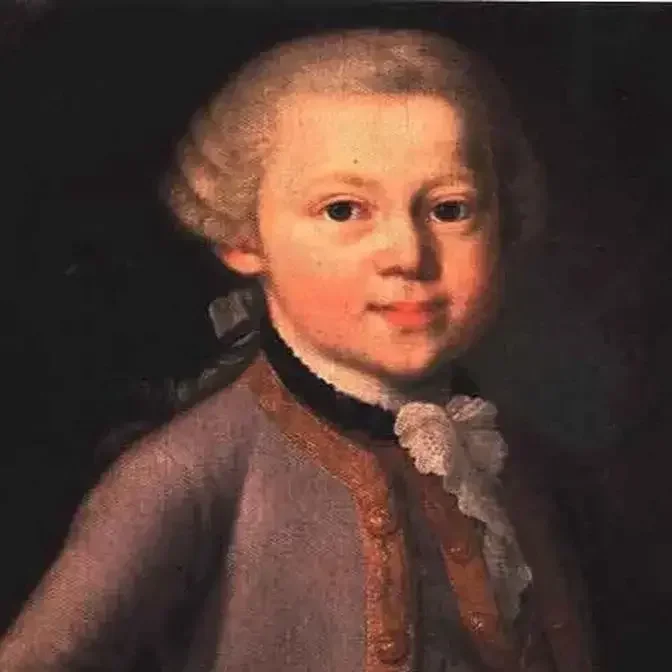
Ludwig van Beethoven (baptised 17 December 1770 – 26 March 1827) was a German composer and pianist. A crucial figure in the transition between the classical and romantic eras in classical music, he remains one of the most recognized and influential musicians of this period and is considered to be one of the greatest composers of all time.
Please support my channel:
https://ko-fi.com/bartjebartmans
String Quartet in F major, Hess 34 after Piano Sonata No. 9 in E major, Op. 14, No. 1 (1798) Arranged by Ludwig van Beethoven (c. 1801)
Piano Sonata dedication: Baronin Josefa von Braun
1. Allegro moderato (0:00)
2. Allegretto (6:07)
3. Rondo. Allegro comodo (9:00)
Kodaly Quartet
From Rolf's Music Blog:
The String Quartet in F major (#34 in the Hess catalog) is Beethoven’s own quartet version of his piano sonata in E major, op.14/1 which he created in 1801 (around 3 years after the composition of the piano sonata), apparently being fed up with poor arrangements by publishers and fellow composers. So, timewise this arrangement closely follows his quartets op.18 (1799 – 1800 — it took five more years for him to finish his op.59, the “Razumovsky Quartets”).
Transcription vs. Arrangement
I found a description about this quartet adaptation that claims that apart from the instrumentation, the only change that Beethoven did was to change tonality from E major to F major. This is definitely wrong — after all, Beethoven was particularly proud of this arrangement, knowing that it was better than what one could have expected from “competition” (there have even been speculations that this composition was originally conceived as string quartet). I don’t want to go into detail here — just two highlights:
Interestingly, the first movement is annotated Allegro moderato, rather than just Allegro: a string quartet is not a grand piano, let alone an instrument from that period, such as a fortepiano by Walter or Christofori (much more agile than a modern concert grand) — hence the tempo for a string quartet should definitely be slower than in the piano version.
Beethoven did not simply distribute the notes onto four voices — he also made significant changes to the course of accompanying voices, reflecting the specific characteristics of a string quartet, and the additional flexibility with having four independent voices. If you have the piano score: it is interesting to follow and see where exactly Beethoven deviates from the piano version — I’ll let you make these discoveries yourself!
Description of the Sonata by Robert Cummings
By the time Beethoven wrote this sonata, his ninth, he was already displaying a strongly individual voice in his piano works and would shortly embark on his First Symphony (1800) and other large works. Perhaps less compelling than its predecessor, the celebrated "Pathétique," this Sonata is an immensely interesting work, containing many subtle turns, surprises, and fresh ideas. Cast in three movements -- Allegro, Allegretto, Rondo (Allegro comodo) -- this composition begins with a lively, optimistic theme, against repeated chords in the left hand which accompany, and goad, the main narrative line. Initially a harbinger of light and joy, the main theme, introduces some tension when repeated, and the mood slightly darkens. In Beethoven's musical narrative, it seems, an initial mood, or impression, often leads to unexpected developments, creating a richly textured poetic substance. Thus, for example, when the second subject appears, its four descending notes transform the musical canvas into a space ruled by different varieties of doubt and mystery, considerably expanding the emotional and intellectual range of the narrative. Eventually, this episode proceeds to a triumphant ending, and the exposition material is repeated. The development section begins with the main theme transformed, but then a new idea comes to the fore. Somewhat derivative, this idea ushers in a rather atypical development episode. Although this is quite surprising from an intellectual standpoint, the appearance of this theme seems utterly natural, a logical outgrowth of a remember discourse. In the reprise, which follows this brief excursion, the main theme occurs with new accompaniment -- ascending scales in the left hand -- which imparts an ecstatic character to the music. A brief, brilliant coda concludes the movement. The ensuing Scherzo, though it carries the normally lively marking of Allegretto, operates as the slow movement. There is much tension in its restless main theme, and even the brighter music of the trio sections is not free of a sense of struggle. The finale begins with a rush of energy which traces a downward-moving trajectory. Despite the downward motion, the mood is one of wit, playfulness, and humor. While the second theme introduces some calm, the narrative line is driven by fast rhythms. Interestingly, there is some thematic development in this Rondo, which sounds almost symphonic.