
Beethoven/Mahler - String Quartet No. 11, Op. 95 (1810)
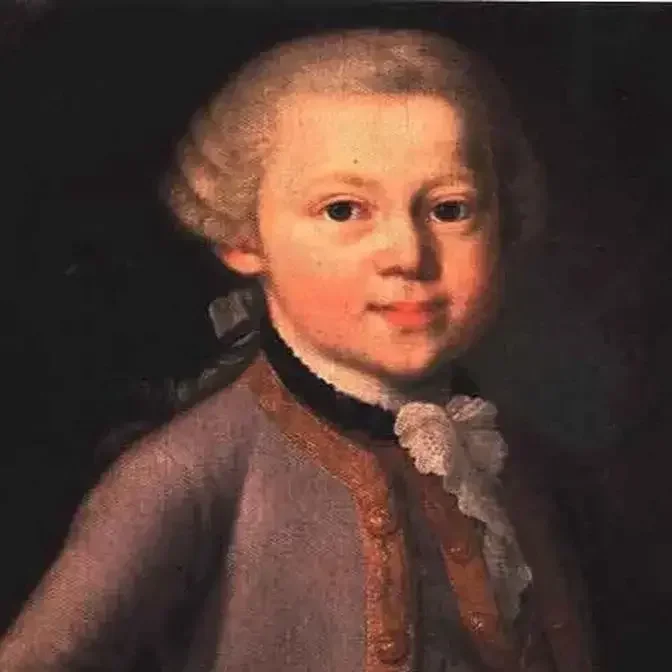
Ludwig van Beethoven (baptised 17 December 1770 – 26 March 1827) was a German composer and pianist. A crucial figure in the transition between the classical and romantic eras in classical music, he remains one of the most recognized and influential musicians of this period and is considered to be one of the greatest composers of all time.
Please support my channel:
https://ko-fi.com/bartjebartmans
String Quartet No. 11 in F minor "Serioso", Op. 95 (1810)
Dedication: Nikolaus Zmeskall von Domanovetz
arr. for string orchestra by Gustav Mahler
1. Allegro con brio (0:00)
2. Allegretto ma non troppo (4:38)
3. Allegro assai vivace ma serioso - Trio (11:38)
4. Larghetto espressivo - Allegretto agitato (16:30)
Amsterdam Sinfonietta conducted by Lev Markiz
Gustav Mahler arranged Beethoven’s String Quartet No. 11 in F minor, Op. 95 “Serioso” for string orchestra in 1899.
This arrangement was made during Mahler’s tenure as conductor of the Vienna State Opera, a time when he was also a passionate advocate for Beethoven’s works. The original quartet, composed around 1810, was Beethoven’s last before his late string quartets and is known for its compact, intense character. Mahler’s version expanded it for the full string orchestra while preserving its core musical ideas, and it was premiered in Vienna in January 1899.
Today, the arrangement is performed and recorded, though its premiere reception was notably negative.
Ludwig van Beethoven's String Quartet No. 11 in F minor, Op. 95, from 1810, was his last before his late string quartets. It is commonly referred to as the "Serioso," stemming from his title "Quartett[o] Serioso" at the beginning and the tempo designation for the third movement.
It is one of the shortest and most compact of all the Beethoven quartets, and shares a tonality (F) with the first and last quartets Beethoven published (Op. 18, no. 1, and Op. 135). In character and key, as well as in the presence of a final frenetic section in the parallel major, it is related to another composition of Beethoven's middle period — the overture to his incidental music for Goethe's drama Egmont, which he was composing in the same year he was working on this quartet.
The autograph manuscript for this quartet is inscribed "October 1810", but the paper on which it appears does not match the variety Beethoven is known to have used at that time. It is more likely that he finished it several months later. It premiered in 1814 and appeared in print two years later, dedicated to Nikolaus Zmeskall. Beethoven stated in a letter to George Smart that "The Quartet [Op. 95] is written for a small circle of connoisseurs and is never to be performed in public." Upon listening to the piece, it becomes apparent why he made that assertion. This piece would have been quite out of character in 1810: it is an experiment on compositional techniques the composer would draw on later in his life. (Techniques such as shorter developments, interesting use of silences, metric ambiguity, seemingly unrelated outbursts and more freedom with tonality in his sonata form.)
The historical picture of this time period helps to put the piece in context. Napoleon had invaded Vienna in May 1809 (see Battle of Wagram) for the second time in four years, and this upset Beethoven greatly. All of his aristocratic friends had fled Vienna, but Beethoven stayed and dramatically complained about the loud bombings.