
Mozart - Popoli di Tessaglia, K. 316 (1779) {Edita Gruberová}
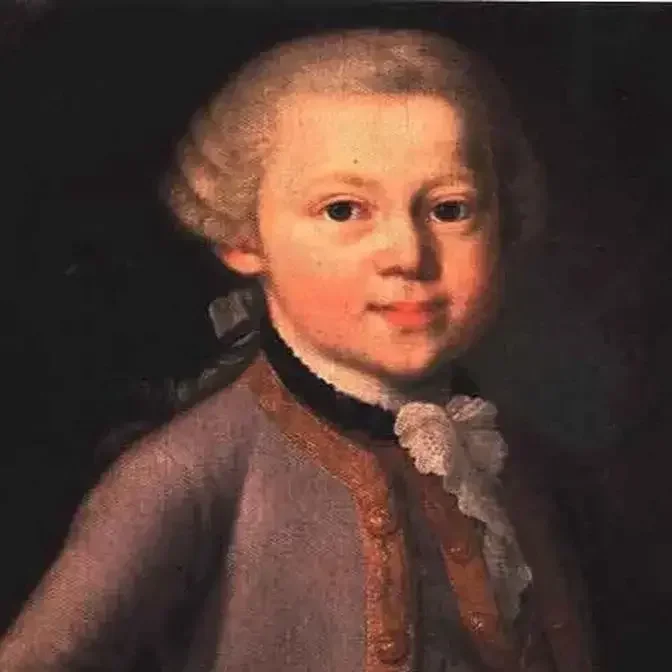
Wolfgang Amadeus Mozart (27 January 1756 – 5 December 1791) was one of the most influential, popular and prolific composers of the classical period. A child prodigy, from an early age he began composing over 600 works, including some of the most famous pieces of symphonic, chamber, operatic, and choral music.
Please support my channel:
https://ko-fi.com/bartjebartmans
Popoli di Tessaglia... Io non chiedo, K. 316
Text from Calzabigi's "Alceste"
1. Recitative (0:00)
2. Aria (4:14)
Edita Gruberová, soprano and the Mozarteumorchester Salzburg conducted by Leopold Hager
DGG rec. 1983
Probably begun July 1778 finished in Munich, 8 Jan. 1779. Written for Aloysia Weber. In a letter to her from Paris, dated 30 July 1778, Mozart related how the aria was already half finished. Interesting to notice that he started writing this aria in the same Summer he wrote his E minor Violin Sonata (No. 21) and A minor Piano Sonata (No. 8)
It is famous for including two occurrences of a G6, i.e. the G in altissimo above high C, or 1568 Hz by modern concert pitch – according to the Guinness Book of Records, the highest musical note ever scored for the human voice (However, an A6 is scored in Ignaz Umlauf's Das Irrlicht, also sung by Aloysia Weber).
Mozart completed this recitative and aria in Munich on 8 January 1779, as an insertion aria for the opera Alceste by Christoph Willibald Gluck. It was written specifically to showcase the superlative vocal skills of Mozart's future sister-in-law, Aloysia Weber, who was only 18 at the time. However, sopranos who are able to cope with the aria's demands have been few and far between, and hence the aria is usually omitted from performances of Alceste. It has been therefore redesignated a concert aria, to be presented in concerts by such rare singers as are able to deliver its fiendishly difficult coloratura.