
Robert Schumann - Adventlied, Op. 71 (1849)
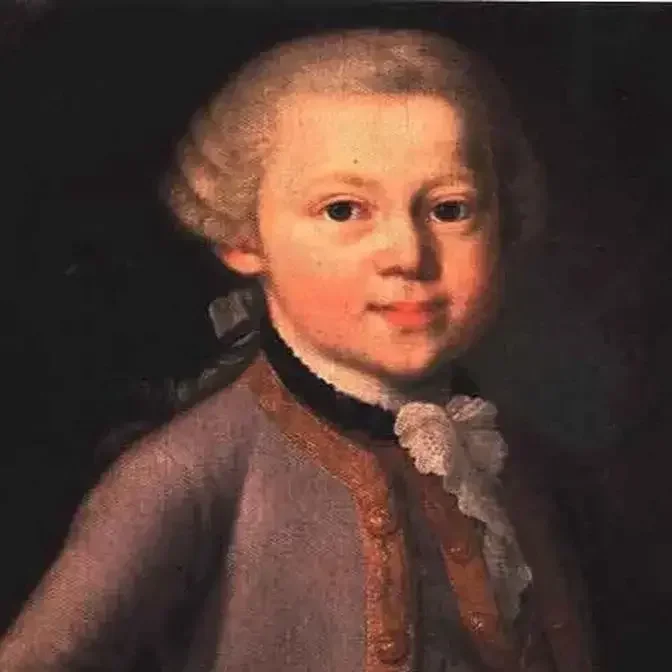
Robert Schumann (8 June 1810 – 29 July 1856) was a German composer and influential music critic. He is widely regarded as one of the greatest composers of the Romantic era. Schumann left the study of law, intending to pursue a career as a virtuoso pianist. He had been assured by his teacher Friedrich Wieck that he could become the finest pianist in Europe, but a hand injury ended this dream. Schumann then focused his musical energies on composing.
Please support my channel:
https://ko-fi.com/bartjebartmans
Adventlied in G major, Op. 71 (1848-49) for voices, chorus and orchestra
Librettist: Friedrich Rückert (1788–1866)
I. Dein König kommt in niedern Hüllen (0:00)
II. Allmächt'ger Herrscher ohne Speere (2:05)
III. Und wo du kommest hergezogen (6:34)
IV. O Herr von grosser Huld und Treue (8:45)
V. Noth ist es, dass du selbst hienieden (11:36)
VI. O lass dein Licht auf Erden siegen (12:37)
VII. Und lösch' der Zwietracht Glimmen aus (13:39)
Carolyn Sampson, soprano
Werner Güra, tenor
Jonathan Sells, baritone
Estonian Philharmonic Chamber Choir & Helsinki Baroque Orchestra conducted by Aapo Häkkinen
There is little information about the Adventlied. On 7 February 1848, Robert Schumann noted the text of the Advent hymn "Dein König kommt in niedern Hüllen", which can still be found in the church hymnals today, as No. 48 in the handwritten collection of poems begun by him and his wife Clara in 1839, which they thought were suitable for composition. Schumann may have been looking for texts for new choral compositions that he could perform with the Verein für Chorgesang, which he founded in January 1848. However, he did not begin composing the work until nine months later, on 25 November. Schumann completed the work, which originally wanted to call a cantata, on 19 December 1848.
The genesis of the work is not fully documented by the documents that have survived today and are authorized by the composer. On the one hand, the sources documenting early stages of the text, as well as the autograph score have been preserved. The first editions of this work was published posthumously, so that the autograph score for the orchestral parts are the main source.