

Charles Gounod - Concerto for Piano Pédalier (1889) {Live}
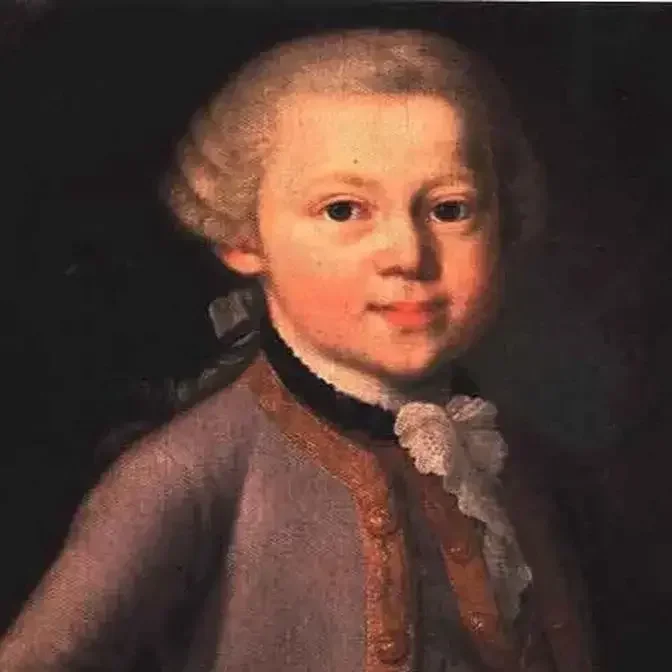
Charles-François Gounod (17 June 1818 – 18 October 1893), usually known as Charles Gounod, was a French composer. He wrote twelve operas, of which the most popular has always been Faust (1859); his Roméo et Juliette (1867) also remains in the international repertory. He composed a large amount of church music, many songs, and popular short pieces including his Ave Maria (an elaboration of a Bach piece), and Funeral March of a Marionette.
Please support my channel:
https://ko-fi.com/bartjebartmans
Concerto for Piano Pédalier in E-flat major (1889)
Dedication: Mme. Lucie Palicot (1857-19??)
1. Allegro moderato (0:00)
2. Scherzo (4:47)
3. Adagio ma non troppo (9:00)
4. Allegretto marziale (pomposo) (15:55)
Roberto Prosseda, Doppio Borgato piano-pédalier and the Orchestra Toscanini conducted by Jan Latham Koenig
Live in Forlì, Duomo, Sept. 13, 2011. Emilia Romagna Festival.
First performance in modern times.
The Concerto for pedal piano in E flat major remained unpublished because Gounod, finding that the cost of hiring the parts for the Suite concertante hindered its diffusion, gave sole ownership of this new work to Lucie Palicot in September 1889, thus guaranteeing her exclusivity and free use. The desire to spotlight the contribution of the pedal-board is more apparent here than in the Suite and the recurrence of certain formulas from one movement to the next reinforces the work’s cohesion.
From the outset the tone of the Allegro moderato is that of Beethovenian heroism. An initial development leads to the second theme, which is chordal without excessive heaviness and suggests a song of triumph. First stated by the piano, it no sooner receives an embryonic echo from the orchestra than the soloist transposes it, and the power struggle between them will form the material for this second, more modulatory development. A disguised recapitulation brings back the second theme, followed by a final development.
A modulating introduction on the orchestra, then the piano, opens the brisk, piquant Scherzo. The solo piano presents the initial strain of the first part of the movement, in which keyboard and pedal-board interact in imitation. The orchestra joins in, doubling them, for the second part, where legato phrases attempt to dominate staccato. The Trio is more sustained in character. The piano occupies the foreground with fairly subdued support from the trumpet, then a few discreet doublings. The Scherzo section is then reprised dal segno al fine without formal repeats.
The Adagio ma non troppo gives the impression of a funeral march. After a sombre orchestral introduction, the piano threads its solitary way through the first section. The central section provides the first broad, lyrical melody in the work. This song of hope is one of those eloquent inspirations so characteristic of Gounod. Then the march is resumed by piano and orchestra, which follow a common course until the conclusive wails from the horns.
The more important role accorded to orchestral timbres, the brio of the keyboard writing and the sustained rhythmic verve all ensure the finale makes an undeniable effect. The music has the character of a rondo, although not the structure: four episodes succeed one another linked by their sheer affinity. Despite the warlike accents of trumpets and percussion, the movement never abandons a spirit of playfulnes