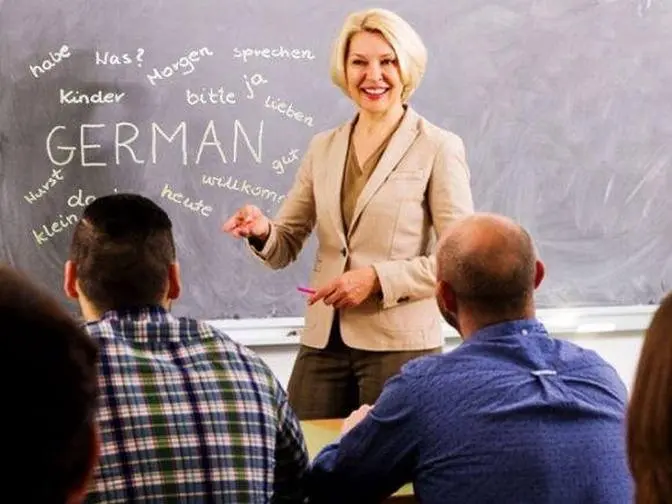
💛 Bleibt dran und bleibt fleißig! 💛 Deine Deutschlehrerin Natalia
I'm so cold In German you don't say "I am cold " you say "I am cold" — literally "It is cold to me "
Hello and welcome to a new YouTube video My name is Natalia I am
your German teacher Today we're talking about typical mistakes in German that are a bit
could become embarrassing I promise you by the end of this video you'll understand why the
sentences are wrong and how to say them correctly So definitely stay tuned The number one mistake is
did you already hear at the beginning of this video I'm cold A similar mistake is when you
You say I'm hot Many people translate directly from English or another language
I'm cold I'm hot I am cold or I am hot But if you say I am hot then it means
at however is something entirely different I'm hot means I'm sexy so you should only
very specific situations and never at work If you simply want to say
If it's warm outside or if you're sweating you should phrase this sentence like this
I'm cold I'm hot Not me but me Grammatically this is fascinating because in Germa
We use this construction very often in many different situations So the constructio
It's dative plus is plus adjective So a personal pronoun in the dative then is then a
Adjective I am cold She is warm He is feeling ill We are bored You are not speaking
ot about who you are but how you're doing An alternative would be it's hot So generally
That's how you describe the weather or temperature not your own condition This construction as well
It's very common especially when talking about the weather It's plus adjective It's hot
It's windy It's rainy So remember these two constructions Mir plus ist plus adjective
And it's plus adjective I am cold or I am warm It is cold It is warm Error number
Two I'm turning 35 Before I explain this mistake to you you can now completely
get a complete PDF file with all errors explanations examples and a practice exercise for free
download The link to the PDF file is located in the infobox below this video and in the
attached comment Click the link now enter your email address and within moments
You'll receive the PDF file by email in just a few minutes—please check your spam folder
Sometimes the emails end up in spam and then you write to me Natalia saying I’ve received the PDF
You didn't receive it Check your spam folder and confirm your email address Okay long story short
In short we keep going I'm turning 35 I hear that sentence all the time especially
by German learners who speak English—this involves a so-called interference error
Interference errors in English mean to become to turn into This become is then directly translated into
In English you'd say "I'm getting 35 years " but that doesn't work in German
The verb bekommen is another word for receiving meaning that someone has given you something
get receive Just like here I receive a gift on my birthday So if you say
I turn 35 and then it sounds like someone is handing your age but that doesn't make sense
of course doesn't make sense What you're actually trying to say is that I'm turning 35 I'm turning so we
use the verb "werden" — I will turn 35 years old That way you sound natural and avoid a
common translation mistakes Quick question have you liked this video yet Are you already subscribed
my channel If not do that right away and we'll move on to error number
Three I'm going to the doctor Oh no I hear this mistake all the time It's also a typical error that many people make
Learners do it especially in everyday life I'm going to the doctor I understand it's that simple
Always use the preposition "zu" after "immer" when using the verb "gehen " The issue here is precisely that
This preposition is used in German only with countries cities and fixed expressions
Connection back home—only available in these three options Take a look here I'm traveling to Germany Country
o Germany I'm moving to Berlin City to Berlin I'm going home Home Best
Right here the preposition is zu Use zu with people companies and activities followed by the dative case I'm going to the doctor I'm going to yoga I'm going to Rewe or to H&M
Always remember that you need the dative case The preposition to always requires the dative The topic of local prepositions isn't straightforward which is why I have
I made a full video on this topic Be sure to watch this video if you want to learn more about it
If you'd like to learn local prepositions well we've already analyzed three mistakes How many
You've already made something like this yourself Be sure to write it in the comments What mistakes did you make
New for you What might you make yourself I'm curious Let's keep going Error number
Four I'm boring That's another classic That's grammatically correct
Correct However you mean to say I'm bored That's a big difference I
boring means your personality is boring You are a boring person With this
You're saying your personality is boring So you're neither interesting nor funny
Man I'm bored That means you're not doing anything right now You're feeling bored
I'm bored So right now you have nothing to do and think it's jus
A bit boring isn't it Do you notice anything Exactly Once again we have the typical
Construction: dative plus "ist" plus adjective I am bored He is bored or we are bored
boring Okay we're almost at the end of this video Have you already downloaded the PDF file
Downloaded If not click the link in the attached comment now Error number
five Have a nice day you too This error is especially intriguing because here we have a bit of
Have to play language detective This structure involves abbreviated wishes
They are not fully pronounced or written this usually happens informal spoken language
spoken or informal German The reason why your answer is also wrong only becomes apparent then
when we look more closely at the fully written-out sentences then "have a nice day" is a
abbreviated sentence The complete sentence is: I wish you a nice day Have a nice day I
Wishing you a wonderful day Here we have the verb "wishing " which you surely know right
You also know the complements we need for the verb—dative and accusative With verbs that have
wo complements the person is in the dative and the thing in the accusative I wish you a
Have a wonderful day Accusative And that's exactly how it should be in your response I wish you a lovely one
Tag I wish you the same Does that make sense If we shorten these wishes then it looks like
So long Have a nice day You too The personal pronoun du must also be in the dative case
You're standing too To you as well Not "you too " but "to you as well " The next mistake is I'm bad That's what
I used to have a problem like that Most learners however tend to say that they're doing poorly or that they're struggling
It's bad Look at the differences "Mir ist schlecht" means "I feel nauseous " not "you feel nauseous " You have
Stomach pain or maybe you feel like vomiting You're feeling nauseous I'm feeling awful That means
You're not feeling well overall physically or emotionally I'm not doing well I've been
Here it means you didn't play chess well which is why you lost That means I am
bad you only use it when talking about your performance or abilities If it's you
I'm not feeling well and you're not either so I guess I'm not doing well you could say
but only truly when you're talking about your performance Those were six typical mistakes whic
German learners often make this mistake but you won't fall into that trap in the future How many of these
You already know about mistakes don't you How many have you made yourself Be sure to let me know in the
Stay tuned and keep working hard We'll see you next Sunday