
Heinrich Hofmann - Piano Quartet, Op. 50 (1880)
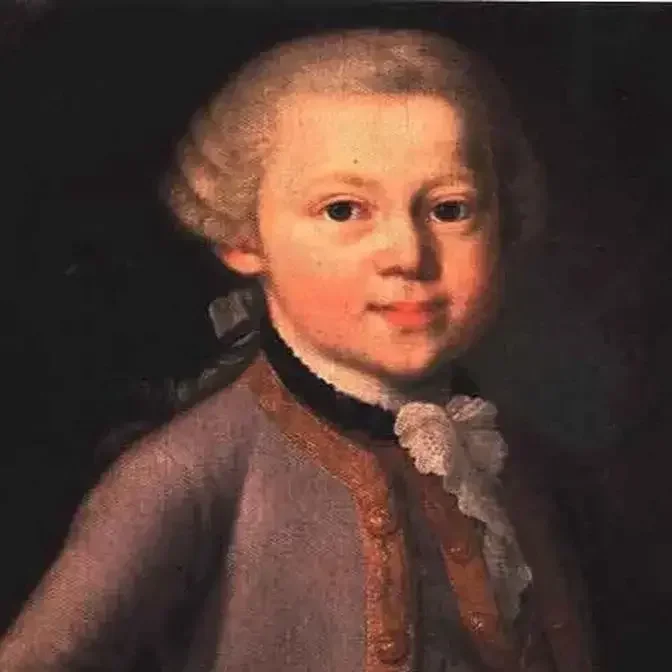
Heinrich Karl Johann Hofmann (13 January 1842, Berlin – 16 July 1902, Groß-Tabarz, present-day Thuringia) was a German composer and pianist. He was a pupil of Theodor Kullak, Eduard Grell, Siegfried Dehn and Richard Wüerst.
Please support my channel:
https://ko-fi.com/bartjebartmans
Piano Quartet in D minor, Op. 50 (18800
1. Vivace, ma non troppo (0:00)
2. Andante poco sostenuto (10:36)
3. Vivace (19:53)
4. Animato (26:08)
Nina Karmon, violin
Stefan Fehlandt, viola·
Wen-Sinn Yang, cello
Oliver Triendl, piano
Details by Edition Silvertrust:
The Op.50 Piano Quartet dates from 1880, composed at a time when Hofmann was at the height of his powers and success. The quartet begins with a massive, Vivace ma non troppo. The brooding opening theme immediately captures the listener's attention. It is both attractive and full of drama. The writing, that is the integration of the strings with the piano, is truly first rate. All of the instruments are handled marvelously. After a masterly development, the second theme brings with it a lovely lyricism. The highly romantic second movement, Andante poco sostenuto, begins with a gorgeous violin solo soon followed by the cello and the other voices. After reaching a powerful climax, another sweet and romantic melody is brought forth by the cello. A robust and hard-driving scherzo, Vivace, full of forward motion comes next. A slower and gentle trio section completes the picture. The finale, an Animato in D Major, bursts out of the gate from its opening notes full of energy. The music is triumphant and jovial. A spacious and more relaxed second subject provides fine contrast.
This Piano Quartet is a superb work and for many years enjoyed great popularity. It is not hard to see why once you have heard the music. As there are so few piano quartets performing before the public today, it is no mystery why it disappeared. All but a few works from this genre are known to the public today. Certainly, here is one that is as good as any and which belongs in the front ranks. We recommend it without reservation to both professionals and amateurs alike. Long out of print, we are very pleased to make it available once again.