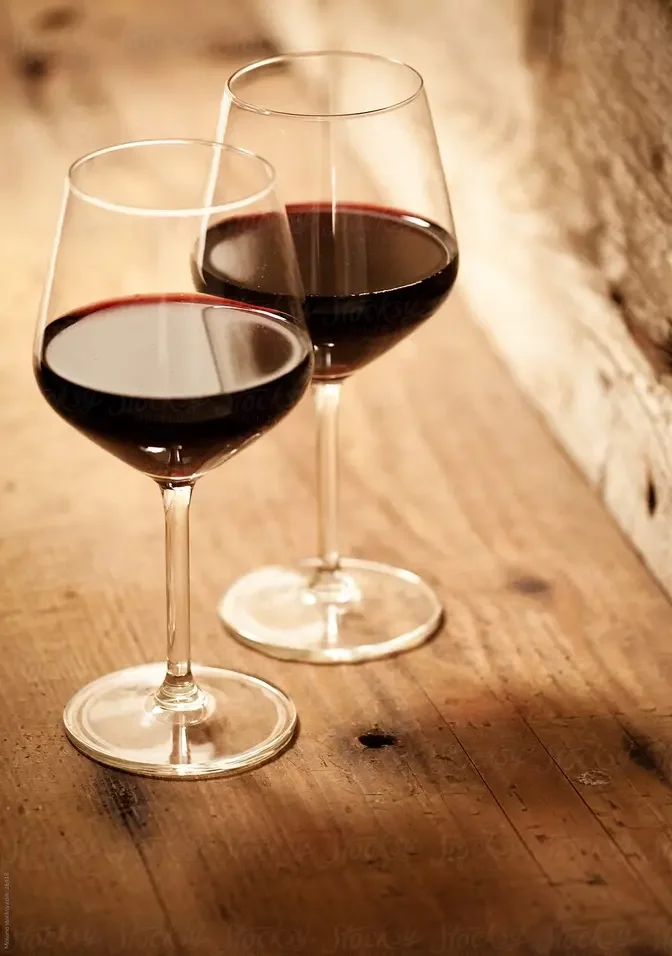
Vinegar — it’s in your kitchen, your cleaning cabinet, and maybe even your medicine drawer. But what exactly is it? How did humans discover that something as simple as spoiled wine could turn into one of the most useful liquids on Earth?
In this video, we dive deep into the story and science of vinegar — from its accidental discovery thousands of years ago to how it’s made today. You’ll learn why it’s sour, how it’s produced from alcohol, and the surprising ways it shapes our food, health, and even household chores.
It’s one of humanity’s oldest inventions — and one we still use every single day.
🍶 Chapters: 00:03 – Introduction: The Mystery of Vinegar 01:03 – The Accidental Discovery of Vinegar 02:14 – What Vinegar Really Is: The Science Behind It 03:13 – The Many Faces of Vinegar 04:12 – Vinegar in the Kitchen and Beyond 05:07 – Health Myths and Real Benefits 06:02 – The Modern Making of Vinegar 06:58 – The Beauty of Simplicity
If you enjoy learning the hidden stories behind everyday things, don’t forget to like, subscribe, and hit the bell icon for more videos from History of Simple Things.
If you were to open your kitchen cabinet right now, chances are there's a bottle of vinegar
sitting there, maybe tucked behind the soy sauce or next to the cooking oil.
It's one of those things we all own, we all use, but rarely think about.
What exactly is vinegar? Is it just sour wine, some kind of magical cleaning potion,
or just acid in a fancy bottle? The truth is, vinegar is one of the oldest and most
versatile substances humans have ever made. It's a flavor enhancer, a preservative, a cleaner,
and even a mild medicine. But the story of vinegar begins not in a lab or a kitchen,
but in a wine jar gone wrong, or maybe right, depending on how you look at it.
So let's get into it, right here, on History of Simple Things.
The word vinegar actually comes from the old French vinaigrette,
which literally means sour wine. And that's exactly how it was discovered, by accident.
Thousands of years ago, when early humans began fermenting fruits and grains to make alcohol,
someone probably left a container of wine or beer uncovered. Naturally occurring bacteria,
known as acetobacter, found their way inside and started feeding on the alcohol,
transforming it into acetic acid. The result? A liquid that smelled sharp, tasted sour,
and, surprisingly, didn't spoil. Instead of throwing it out, ancient people realized it
had new uses. Archaeologists have found evidence of vinegar production dating back over 7,000 years,
from ancient Babylon to Egypt. Even the Bible and ancient Chinese texts mention vinegar as both a
condiment and a cleaning agent. It was one of those happy accidents that changed how we preserve
and flavor food forever. At its core, vinegar is a simple chemical solution. It's mostly water,
with about 4 to 8 percent acetic acid. But that small percentage is what gives it its distinct
sourness and its powerful antibacterial properties. To make vinegar, you need two
key processes, fermentation and oxidation. First, sugars in fruits or grains are fermented by yeast
to create alcohol. That's how you get wine from grapes or cider from apples. Then, a second
fermentation happens when acetobacter bacteria convert that alcohol into acetic acid, usually
with the help of oxygen. This process is called acetification, and it's what transforms an
alcoholic drink into vinegar. So, in a way, vinegar is alcohol that's been spoiled,
but in the most useful and delicious way possible. Not all vinegars are created equal. The type of
vinegar depends entirely on what the original source material was. For example, apple cider
vinegar starts as fermented apple juice. Rice vinegar begins with fermented rice wine, popular
in East Asian cooking for its mellow sweetness. Balsamic vinegar, the pride of Italy, is made from
grape must, freshly crushed grape juice with the skins and seeds still in it, and aged for years
in wooden barrels to develop that deep, complex flavor. There's also white distilled vinegar,
which is made by fermenting grain alcohol and then diluting it to a safe acidity level.
Each type has its own unique taste, color, and aroma, some sharp and pungent, others smooth
and slightly sweet. And while we often use them interchangeably, each kind really does bring a
distinct personality to food. Culinarily, vinegar is a game changer. It balances flavors, tenderizes
meats, and preserves vegetables. It's what gives pickles their tangy kick, salad dressings their
brightness, and marinades their depth. A splash of vinegar can make soups taste fresher, desserts
taste more vibrant, and sauces pop with flavor. But vinegar isn't limited to cooking. It's also
been used as a natural cleaner for centuries. Because of its acidic nature, it can dissolve
mineral buildup, cut through grease, and even kill certain bacteria. People also use it as a
deodorizer, a glass cleaner, and a natural alternative to chemical sprays. It's one of
those rare substances that can season your meal, polish your window, and disinfect your countertop,
all in one day. Now, vinegar has also made its way into the world of health and wellness,
especially apple cider vinegar, which has been praised for everything from aiding digestion to
helping with weight loss. Some of these claims are overstated, but there are a few science-backed
benefits. Studies show that vinegar can help regulate blood sugar levels after meals by
slowing down how quickly your stomach empties. Its acetic acid content can also support the
and may slightly improve insulin sensitivity. That said, drinking vinegar straight isn't
advisable. It's still an acid, and too much can harm your teeth or upset your stomach.
So, while it's not a miracle cure, it does offer small, genuine health perks when used responsibly.
These days, vinegar is produced both traditionally and industrially. In the traditional method,
the acidification process can take months or even years, with the vinegar maturing in
wooden barrels to develop flavor. This is especially true for balsamic or wine vinegars.
In the faster, modern method, bacteria are added to the alcohol source in large stainless steel
tanks, with oxygen pumped in continuously, speeding up the process to just a few days.
Despite the industrial efficiency, many artisanal producers still swear by the slow,
natural fermentation process, believing it creates richer, more nuanced vinegars.
Either way, the principle remains the same, turning alcohol into acid through the quiet
work of microscopic life. What makes vinegar so fascinating is its simplicity. It's a product
of nature, shaped by time, bacteria, and human curiosity. It's proof that something as humble
as spoiled wine can evolve into an ingredient that touches nearly every corner of human life,
from food and medicine to cleaning and preservation. We use it daily without thinking
about it, yet it's one of the oldest biotechnologies in the world. So, next time you drizzle balsamic
on your salad or smell that sharp tang while cleaning your kitchen, take a moment to appreciate
it. That humble bottle of vinegar on your shelf carries thousands of years of accidental genius,
and it's still just as relevant today as it was in ancient times. Thank you for watching.
If you have suggestions for our next video, feel free to share them in the comments below.
We'll be sure to give you an acknowledgement for your contribution.
If you enjoyed this video, please check out our other bingeable channels.
Thank you for joining us on this journey through the history of simple things.
Don't forget to like, subscribe, and stay tuned for more stories woven through the smallest details.