
Boy Soldiers (World War I)
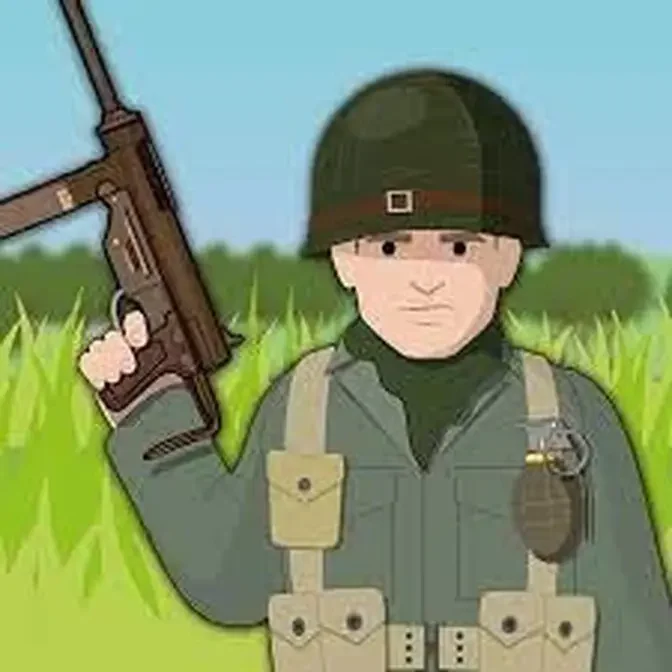
Boy Soldiers, World War I. At the beginning of the First World War in 1914,
there was a mass enthusiasm to enlist into the armed forces. The British army only had 700,000
men, so a campaign was launched by Field Marshal Lord Kitchener, which provoked patriotism and
encouragement for all men to answer the call to fight for king and country against Germany.
The law stated that you had to be 18 to sign up and 19 to serve overseas in the British armed
forces. However, thousands of boys and young men under this age requirement managed to volunteer
for the army by lying about their age or making up false names. Their motives varied from the
excitement of joining the army, believing it to be a fun adventure, to escaping grim conditions
back in their hometowns and strict parents. Regardless of their age, they were able to
bypass the recruitment centers for several reasons. Underage recruits could easily lie
about their age as most people didn't have birth certificates in the early 20th century.
However, this didn't matter much as the British army were desperate for more manpower.
During the recruitment boom in August to September 1914, recruitment officers were paid
two shillings and sixpence for every new recruit they took in, so they often took a blind eye to
underage volunteers. Even when this was reduced in October to one shilling because of the sheer
influx of volunteers, the recruitment officers could still make a lot of income. An anecdote
by George Coppard, who was 16 at the time, goes, The sergeant asked me my age and when told,
replied, clear off son, come back tomorrow and I'll see if you're 19, eh? So I turned up again
the next day and gave my age as 19. I attested in a batch of a dozen others and, holding up
my right hand, swore to fight for king and country. The sergeant winked as he gave me the
king's shilling, plus one shilling and ninepence ration money for that day. George was enlisted
into the Royal West Surrey Regiment on the 27th of August 1914. Volunteers even hid their youth
by wearing adult clothes such as bowler hats or wearing long trousers. For the medical examination
you had to be five feet three inches tall. The recruiters often thought as long as the volunteer
was physically fit enough to fight and he was enthusiastic, why stop him from doing so?
Even parents and teachers showed a romanticism in the early stages of the war and many were
complicit in the recruitment of underage soldiers. Whether it was before enlisting or afterwards,
when boys revealed to their parents their intentions to join the army, they often did
not protest or stand in their way. Even if they did, they were likely to run away from home anyway.
As the war progressed and the reality of war set in, so did the casualties of underage soldiers.
At the Battle of Loos in 1915, the first major battle that involved Kitchener's volunteers,
3,600 out of 59,000 casualties were boy soldiers. This same year saw a spike in
underage soldiers getting through the recruitment process as adult volunteer numbers dropped.
On the first day of the Somme on the 1st of July 1916, 500 underage soldiers were killed.
At the end of the battle, 18,000 boy soldiers had been killed or wounded.
The youngest boy soldier to fight in the British army fought at the Battle of the Somme.
Sidney Lewis was only 13 years old at the time and was 12 when he enlisted in the 106th Machine
Gun Company of the Machine Gun Corps the year before. Another 13-year-old named George Mayer
was said to be too short to see over the edge of a trench, and his age was only revealed to
an officer when he burst into tears during an artillery attack. Shortly afterwards,
he and several other boy soldiers were locked up in a train under guard to be sent back to England.
In 1916, there were many parents asking where their sons were. They requested that MP Sir
Arthur Markham question the War Office about its recruitment policies. The War Office agreed
to issue a directive to get senior officers to bring the boy soldiers back home. However,
they were not entirely keen to lose manpower and underage soldiers who had used false names
were difficult to contact. After 1916, as conscription was brought in, the number of
underage soldiers reduced dramatically. Approximately 250,000 boys under the age of 18
served in the First World War. It is estimated half of those who fought were wounded,
died, or taken prisoner. Watch our other videos to learn more.
Get your copy of Simple History World War I available on Amazon now.
Thank you guys for all your support on the Simple History YouTube channel.
If you enjoy it, please consider visiting our Patreon page. There, you can show us your support
for the channel by donating and make a huge difference in what we're able to create for you.
Plus, you can get early access on upcoming videos. So let's keep it growing,
and thank you for being part of this amazing community!