
No-Filter Guppy Sanctuary Ecosystem Fish Tank
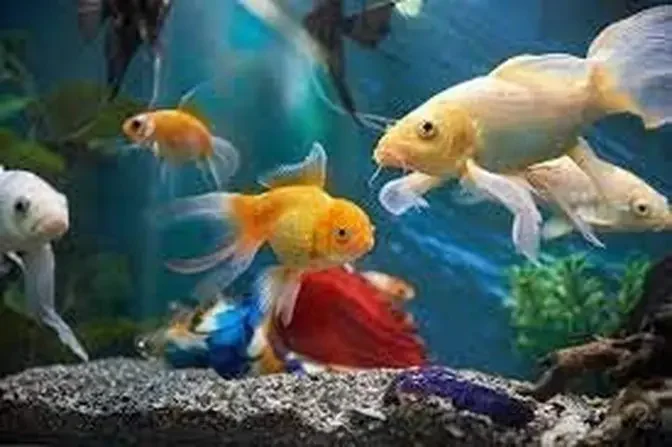
A few years ago, I made a low-tech, no-filter guppy pond using simple techniques.
To recap, I created a raised bed planter with terracotta pots.
I drilled holes in them so the roots could grow through the sides and to maximize the
space for the fish.
I silicone knitting mesh over the holes in the top to retain a substrate blend.
I thoroughly rinsed and cleaned the roots of terrestrial plants prior to adding them
to the planter.
I added substrate and gravel to the bottom as well.
After filling it up and topping it off with floating plants, I added the fish.
They've enjoyed it over the past two years, thrived, and bred a lot.
However, after the move, I decided to take it apart in place of something new for a number
of reasons.
I still have all of the guppies, but it didn't move well, and I want something a little larger
that will allow me to enjoy them in a new light.
That's where the 60-gallon cube aquarium comes in.
I wasn't seeking it out, but I found it on clearance and knew it would be perfect for
such a project.
I couldn't just put it in the animal room, though.
I had to build a new stand.
Nothing groundbreaking here.
I simply chopped up 2x4s and assembled them in a way that's stable and square.
I cut up plywood that I attached to the back and tops of each shelf.
I sanded it down to get a better finish.
A little stain and polyurethane completed the process, and here we are now.
I put another tank on the bottom, but that's for a different time.
Prior to really getting into this, I need to account for a spotlight.
I checked to see how far it should go above the rim for optimal coverage.
I need a way to mount it, so I cut out some wood according to these measurements to create
a stand.
I pre-drilled holes, locked it together, and painted it black.
While the paint dried, I installed a frost film on the back.
I sprayed water so it would stick to the glass, affixed the film, squeegeed out the air, and
cut off the excess.
Back to the light.
I installed the bracket onto the mount, which I then locked to the back of the stand with
screws.
I attached the light to this and did some cord management.
The result looks clean and pretty good other than the black bar going up the back.
I don't know how visible it will be once I scape, so I'll leave it as is for now.
I'll begin at the bottom of the tank with fine mesh netting.
I got this from a craft store, and it will allow me to do things differently.
I want this to be a dirted tank that uses topsoil.
Typically, this would be done by capping a layer of soil with gravel.
Such tanks function really well for plants, believe it or not, but they have a major drawback
in my opinion.
It's pretty easy to stir things up and make a mess while doing maintenance.
I recommend reading Ecology of the Planted Aquarium if you want to learn more about them
specifically.
Anyway, the idea here is to contain most of the soil within a mesh bag that the plants
can still access while keeping things cleaner.
Along with topsoil, I also have well-seasoned substrate that I just pulled from a different
setup.
It's teeming with beneficial bacteria that will allow this tank to be somewhat established
from the very beginning.
I laid out the netting, poured on the cycled substrate, then the soil, and twisted the
top to make a bag.
I sealed it up with zip ties and removed the excess.
After dropping it in the tank, I flipped it over to preserve the twisted end.
I added two more bags as well for better coverage.
I've imagined this setup with white sand from the very start.
I'd like the sand to appear as clean as possible, which is why I was being so particular about
the soil.
If I used gravel, I may have done this without the mesh.
I did all of these steps as quickly as possible and filled it up with dechlorinated water
to keep the bacteria from drying out.
With the foundation in place, I can finally scape.
I dropped a few eucalyptus roots in the corner to start.
I want them in an upright position to create visual barriers and a growing surface for
plants.
Black lava rock stabilized these pieces and added more interest.
Something I envisioned for this setup was high contrast.
The combination of these elements really leans into that if you ask me.
That said, I really struggled to get an appropriate layout with this one.
The pieces kept falling, didn't look right, and the spots where I intend to put plants
needed to line up.
I had to reset the design several times before I got something viable.
I mixed up a two part epoxy which I pressed between contact points.
This will stabilize everything and ensure the driftwood doesn't float.
After curing, it looked solid.
I want to utilize certain areas between the hard scape like this flat cut, open areas,
and spaces between to place various terrestrial plants.
They've been soaking for a while already.
This loosened the substrate making it easier to remove completely.
I didn't want anything remaining on them at all.
When I set out to do this, I originally wanted to use terracotta pots like before.
However, I didn't need them because of the hard scape.
I was able to simply wedge the plants in key locations along the water line.
I also kept the selection fairly minimal with a handful of tried and true riparian ready
plants.
I placed a few additional stones as I planted to finalize the look.
I really like how this area turned out but it will serve a key function for the setup.
More on that later.
For now we'll move down to the water feature.
I'm keeping it fairly simple here as well with a few amazon swords.
I typically don't use them but I thought they would be perfect for a setup like this
especially once they get larger.
I decided to add Christmas moss as well.
I tied it onto parts of the branches with fishing line.
Looking good to me.
Let's add the water.
As expected, it's a little hazy from everything I've done.
I netted all of the debris and did a 100% water change to clear things up.
I also added a few handfuls of suesfoss or tongue to provide refuge for the fish to hide
in.
No low tech tank is complete without floaters so I added a generous amount of salvinia minima.
I put a tiger lotus on the side as well.
To finish things off I gave the glass a proper clean with fritz glass cleaner.
So why exactly is this a low tech aquarium?
Low tech gets thrown around a lot.
I'd consider an aquarium low tech when it's success is largely the result of capitalizing
on natural processes to create and sustain an ecosystem.
In this case I don't have a filter on this setup, frequent water changes are unnecessary
and it will largely sustain itself.
All of these things are possible when the proper conditions are present.
The first of which being areas where bacteria can colonize.
As I'm sure most of you know by now, bacteria plays a crucial role in the health of a system.
The more places it has to grow, the better.
Lava rock for example is great for this because of it's porosity.
Unlike the driftwood, it's composed of a network of holes which provide a crazy amount
of surface area for bacteria.
The substrate itself can also be viewed as a giant filter.
Bacteria lives within it which is why it's helpful to add seasoned substrate to a tank
like I did before.
This speeds things up significantly and makes it a lot safer to immediately add livestock
to a new tank.
That's why I always add turbo start nitrifying bacteria to new tanks as well.
Without some form of beneficial bacteria in the tank, drastic ammonia spikes are guaranteed
which will most likely result in casualties.
Frequent water changes can mitigate this as well, but if you start with bacteria it makes
the process very seamless.
The other crucial component to no filter setups like this are the plants.
More specifically the riparian and floating plants.
Plants act like a sponge absorbing ammonia, nitrate, and other nutrients and impurities
from an aquarium.
Aquatic plants do this of course, but they're no comparison to terrestrial plants.
Since their foliage is in the air, they have unlimited access to CO2 which makes them grow
faster than their aquatic counterparts.
This means that they are more effective at pulling nutrients from the water and thus
provide optimal conditions more effectively for livestock.
By optimal, I mean water with the lowest levels of ammonia, nitrate, and other impurities
as possible.
Water changes remove these compounds as well, but they're not as necessary when plants
are doing the brunt of the work and the bioload doesn't exceed their performance.
The main thing that will have to be accounted for is evaporation and loss of key elements
like iron for example.
A periodic top off or water change with tap water is typically sufficient to replenish
these.
Plus, the waste produced by livestock also fertilizes the plants which creates a symbiotic
loop of sorts.
In this way, low tech setups work for you and the livestock so it can be a more hands
off setup.
There are of course limitations to this, but it can be a really great option for small
fish like guppies.
They thrived in the previous setup so I wanted to take the essence of that and bring it into
this aquarium.
The only thing left to do is add the fish themselves.
Oh wait, I need to clean up Kerr too.
Bladder snails and ram's horn snails will take care of algae, excess food, and debris.
Malaysian trumpet snails will do the same thing, but they'll also stir up the substrate
which reduces the amount of debris build up within it and thus allows it to be processed
more effectively.
I may also add a mono shrimp later, but this is a good start.
Now I can add the fish.
A low tech, no filter, guppy ecosystem.
I really enjoy setups like this because it puts a huge focus on the fish while also being
an easily maintained system.
It's also a fun way to utilize quote on quote house plants.
You don't have to worry about watering the plants because they're living in it.
I should probably mention that not all plants will grow like this, but that's beyond the
scope of this demonstration.
I'm excited to finally have the guppies in a proper setup within the animal room once
more.
It's in a prominent location which is great because they're such a personable fish.
In addition to the ones in this tank, I have a few more that I'm running through quarantine
right now to add diversity to the bloodline.
I've done this twice since setting up the original pond to minimize inbreeding.
Anyway, I can't wait to see how this setup progresses and to document the journey of
it.
That's for a future video though.
A huge thanks as always to Fritz Aquatics for sponsoring the video and providing products
I actually use like the glass cleaner and turbo start.
I hope this gives you a better idea of how and why low tech setups work so well and maybe
inspiration on how to make one for yourself.