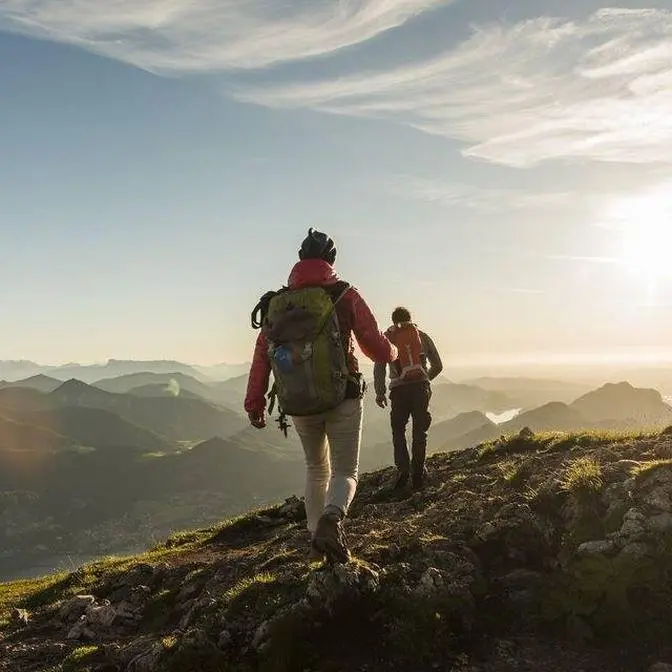
Torres del Paine National Park is a breathtaking natural wonder located in the southernmost region of Patagonia in Chile. This iconic park is renowned for its dramatic landscapes, featuring towering granite peaks, expansive glaciers, turquoise lakes, and vast pampas. The W Trek is arguably the most famous hiking route within the park. As the name suggests, the trail forms a distinctive "W" shape on a map, encompassing the park's most iconic landmarks. The complete W Trek typically covers around 73 kilometers (45 miles) with some sections involving challenging ascents and descents. In this video, we'll take you on a day-by-day journey, highlighting the route, stunning vistas, and accommodations. We'll also share essential hiking tips, including preparation, navigation, packing lists, and more:
🎥 MORE CHILE / PATAGONIA VIDEOS: Santiago de Chile: • SANTIAGO DE CHILE (2025) | 10 Awesome Thin... Patagonia Highlights (& Itinerary): • PATAGONIA, CHILE & ARGENTINA (2025) | High... Bariloche, Argentina: • BARILOCHE, ARGENTINA (2025) | 10 BEST Thin... El Chaltén, Argentina: • EL CHALTEN, ARGENTINA (2025) | 5 Beautiful...
😊 FOLLOW US ON SOCIAL MEDIA: / worldwildhearts / worldwildhearts
🎵 MUSIC CREDITS: Forest Fire Instrumental Version by Louis Island Rejoice in the morning by The David Roy Collective Surfing on the milky way no backing vocals by Semo Earth Heavens Instrumental version by Semo March of the people by Semo Woodcraft Creative Cut Alternative by Ziv Moran
What's up guys we're here at Torres del Paine National Park and in this video we're going to
show you how to do the W track including the full route overview and everything you need to know
before you go. So hope you enjoy it. Torres del Paine National Park is a breathtaking natural
wonder located in the southernmost region of Patagonia in Chile. This iconic park is renowned
for its dramatic landscapes featuring towering granite peaks, expansive glaciers, turquoise lakes,
and vast open plains. The W track is arguably the most famous hiking route within the park.
As the name suggests the trail forms a distinctive shape of the letter W on a map
encompassing the park's most iconic landmarks. The complete W track typically covers around 73
kilometers or 45 miles with some sections involving challenging ascents and steep descents.
It also involves taking buses as well as boats to get to and from the park entrance.
In this video we'll take you on a day-by-day journey highlighting the hiking route, stunning
vistas, and accommodations. We'll also share essential trekking tips including preparation,
navigation, packing lists, and more. Now let's dive in. We are Zach and Ina. We make helpful
videos about destinations around the world so you can easily plan your own adventures.
We started the first day of the trek with an early morning transfer by bus from Puerto Natales to the
entrance of the park. This early morning bus ride was about two hours long and provided a
glimpse of the dramatic Patagonian landscape. After getting our national park pass checked
at the entrance we embarked on a short bus transfer to the trailhead where we would later
return to camp that night after the hike. Then it was finally time to get on the trail. This first
day was the most challenging of the entire trek since there was more than a thousand meters or
3,500 feet of elevation gain over 22 kilometers. The hike started with a couple of crossings over
bridges before gradually ascending towards the famous Base de las Torres. Winding through a
picturesque valley views of stunning blue lakes began to unfold in the distance. Refugio Chileno
is a great midway rest stop to catch your breath and have some refreshments while enjoying the
sights and sounds of the nearby river. From the Refugio the path continues through a verdant forest
culminating at Campamento Torres. This is where the true challenge begins a demanding 400 meter
or 1,300 foot climb to Mirador Las Torres. The rocky trail requires careful navigation since
it's very narrow. Lots of people do this trail as a day hike so the narrow section can get crowded
as well. But even with the crowds Mirador Las Torres is an unforgettable experience.
The sheer scale of the granite peaks, the turquoise glacial lake and the surrounding
wilderness create a truly awe-inspiring scene. Plus there's lots of room at the lake's edge
so you can find your own area to enjoy the views without too many other people around you.
We spent almost two hours at the lake taking in the scenery and having lunch before hiking
the three hours back down to our campsite. Camping Central was our site for the night
which was located right next to the visitor center and starting point of the hike. Here you can find
dorms, set up your own tent or camp in a pre-made tent that sits off the ground. We booked a campsite
in advance for each night of the hike since we weren't traveling with our own overnight equipment
in South America. We arrived at our tent for the night and I will show you how it looks like.
So we got some nice pillows, a sleeping bag and then a mattress which is quite
wide. It actually takes the whole space of the tent which is really comfy.
After getting checked in at our campsite we made our way over to the dining hall for a delicious
meal with all the other trekkers. A stunning sunset view over the river made for a memorable
finish of our first day. Day two of the W trek proved to be the most relaxed with a shorter
distance of 13.3 kilometers or 8.2 miles and a manageable elevation gain. This allowed for a
more leisurely pace starting with a breakfast at Camping Central. After retracing our steps a little
bit from the day before we found ourselves amidst lush green vegetation and layers of different
colored lakes. The most vibrant one of the day was Lake Nordenskold with its beautiful turquoise
waters. The trail followed the lake shore for most of the afternoon offering breathtaking panoramic
views throughout. The landscape here was a vibrant tapestry of red firebush as well as rushing blue
rivers and dramatic white mountain peaks. We enjoyed several scenic breaks along the lake
pausing to soak in the beauty. After navigating a few stream crossings and small waterfalls we
finally arrived at Camping Los Cuernos. Nestled right on the lake shore this campsite quickly
became our favorite. The main dining area offered a cozy environment with stunning views of the lake
and the iconic Los Cuernos peaks. While we opted for tent camping the site also features a number
of private cabins for those seeking a bit more comfort. The third day of the W trek involves a
significant elevation gain of 1,093 meters or 3,585 feet and since it's also an even longer
distance than the first day we suggest getting an early start. The trail initially winds through
a forest offering several glimpses of Lake Nordenskold once again. After reaching Campsite
Italiano the true challenge of the day begins the out and back section to Mirador Britannico
through the French Valley. We made it to the Campsite Italiano and now we're about to go up
the French Valley which is about a five hour journey out and back and you can actually leave
your backpacks here at the campsite so we're gonna leave one of them and save some weight.
The effort of the ascent is rewarded with breathtaking views of ice fields and jagged peaks.
The French Glacier, a massive wall of ice, dominates this valley. Its rough surface
groans and creaks as it slowly descends creating a truly amazing spectacle. There's a viewpoint
of the glacier which is a popular spot for lunch or a snack. After a break at the glacier it's time
for one more push-up to the final viewpoint of the valley. Reaching Mirador Britannico is truly
exhilarating with massive peaks surrounding at all angles in an amphitheater type of experience.
The descent back to Campsite Italiano was followed by another seven kilometers or 4.3 miles of hiking
towards our final campsite. This section of the trail is known for its strong winds and traverses
through a largely burnt forest. It does however pass by several lakes including the scenic Lago
Scotsburg. When we finally arrived at Camping Paine Grande our feet were exhausted and we were
glad to have layered up properly against the biting wind. This campsite, which is situated
on the shores of Lake Pahoe, is also known for its strong winds. While the location was stunning
we found the campsite to be our least favorite with less comfortable tents and a more cafeteria
The elevation gain is moderate at only 391 meters or 1,282 feet but the strong winds that
often sweep through this area can make things challenging. We experienced these winds firsthand
facing a relentless headwind on our way towards the glacier.
It was a grind battling through the elements but we finally stopped at the Grey Glacier Mirador
where we were rewarded with breathtaking views of the ice fields and lake. Although the option
of continuing to Camping Grey was tempting we weren't motivated to battle the crazy wind for
another five kilometers each way. So we opted to return to Paine Grande to ensure we caught
our scheduled catamaran back to Pudeto Pier. After a well-deserved rest at the Refugio and
a celebratory glass of Chilean wine we boarded our boat. The journey across Pahoe Lake was bumpy
but seeing the iconic Cuernos Peaks in the distance provided a fitting finale to our W
Trek adventure. Once we got off the boat it was time to transfer to a bus and then cruise along
the wide open Patagonian roads for about three hours. We arrived back in Puerto Natales in the
late evening. Exhausted we passed out in our warm bed and left some time the next morning to explore
the city. Now we'll share some key hiking tips to ensure a rewarding experience. The W Trek offers
lots of flexibility allowing hikers to choose their direction, travel independently, or hike
with a guide. It also allows for customizing the trekking duration based on preferences and
Refugio availability. We recommend adding an extra day for glacier kayaking or ice trekking excursions
departing from Refugio Grey. We hiked east to west which presents several advantages.
First it allows hikers to tackle the challenging ascent to Mirador Las Torres on the first day.
Secondly frequent morning buses from Puerto Natales to the trailhead provide convenient
transportation. And finally this direction eliminates the need to secure a spot on the
early morning ferry across Pahoe Lake. This ferry is crucial to a four-day itinerary and can be
challenging to book in advance during peak season. The feasibility of the W Trek hinges on securing
reservations at the limited number of Refugios along the trail. These Refugios offer basic
accommodation, dining, and often camping options. Reservations are highly recommended especially
during the peak summer season which lasts from November to February. There are two operators
that manage the Refugios. These are Virtus Patagonia and Las Torres Patagonia. You can book
accommodations directly through the respective operator websites choosing between campsites,
dorm beds, and private rooms. Alternatively booking Patagonia offers a centralized platform
for booking across both operators. To enhance comfort we highly recommend pre-booking your meals
as well as getting pre-pitched tents, sleeping bags, pillows, and mats. While this increases the cost
it eliminates the need to carry heavy gear which is especially useful if you're planning to visit
other destinations in South America on your trip. Our meals included breakfast, box lunch, and dinner.
At the first two campsites we also had a welcome drink included. Budget-conscious hikers can opt
for a more basic camping-only experience. We booked a package through a third party who booked all the
accommodations and transportation for us. You can find a link to their website as well as all the
other operators in the description below the video. You'll also need to get a multi-day national
park pass so you can show it at the entrance to the park. At the time of our visit it was necessary
to book this pass online at least one day in advance. If we would do the hike again we'd
probably split up the first day by sleeping at Refugio Chileno instead of Camping Central.
The park is well marked with signs and small piles of rocks to guide hikers along the designated
trails. We also recommend downloading the route offline via the AllTrails app. This is a good
backup in case you get lost. You can find the trail links in the description below this video.
Torres del Paine National Park experiences unpredictable weather year-round with strong
winds a constant factor. Peak season runs from November to February and offers the longest days
and warmest temperatures but also the strongest winds. Shoulder seasons are from March to April
and September to October and provide fewer crowds and potentially milder conditions.
The refugios are closed during the winter. You'll also want to make sure that you pack all of the
essential items for this hike. We've put a list of clothes, equipment, and hygiene items on the
Feel free to pause the video here or take a screenshot. We definitely recommend packing
as light as possible to save weight on your shoulders. We both brought our day packs which
are 22 liters and if you're planning your trip to Patagonia we recommend keeping things organized
with our interactive travel planner. Find a discount code in the description below the video.
We also included important links you'll need for your hike in the description such as links to the
trails and websites to book transportation and accommodation. We'll catch you on the next adventure!