
Traditional crafts in Lithuania / Amatai
Hello everybody! My name is Solus and I'm from Lithuania, which is a small east european country.
I am an independent photographer and as far as I can remember photography has always been my big
love. During all my interesting life I have worked mostly in educational and cultural areas.
Also I have been filming various events and as it fills my life with joy now I would like to
take the filming into the next level.
So I would like to talk about some traditional crafts in Lithuania, which are an important part
of the ethnic culture of the country. They remind Lithuanians of the roots,
the uniqueness of each region and the richness of their cultural heritage.
The most distinguished works are created by skillful wood, iron, clay, leather artisans
and manufacturers. One more important area in the traditional culture of Lithuania
is clay processing. The main clay crafts include pottery and brick manufacturing.
The techniques dating back to the 13th and 15th centuries are still used in making jugs,
bowls, pitchers, meal boxers and pans. Potters make pots from a single lump of clay
on a potter's wheel or sculpt them from small plots.
Lithuanian traditional culture is called the culture of wood. Wood was used in everyday
life and art for building houses, boats, furniture, dishes, monuments, carving sculptures etc.
Throughout ages the culture has raised a number of skillful wood artisans such as carpenters,
joiners, coopers, guard carvers and cross-crafters and accumulated a
deep knowledge of the wood processing crafts which remained dominant nowadays.
The traditional techniques are used in building new or constructing old houses and constructing boats.
Another group of the craftsmen representing the Lithuanian culture is iron artisans. The
blacksmith's craft has been highly respected since the first millennium. Ironware was used in
housekeeping, war and agriculture. Contemporary blacksmiths forge hinges,
bindings and fences. Also traditional forging and decoration techniques remain among the most
artistic works. Another craftsmanship that is still alive among today's artisans is leather
processing. The sources of the crafts go back to the stone age. However, the biggest prosperity
and prevalence are seen in the 15th-16th century when every village and town had harness makers,
shoemakers, tailors and tanners. Today there are few artisans who continue to work with leather.
One of the most important leather crafts is sandal making as sandals are used
for traditional Lithuanian costumes.
Another craft that is practiced by contemporary artisans is wicker work. Following the old
traditions, the craftsmen make various baskets and crates using twigs, splinters and straws
and hats from the straw braid. And the last craft that should be mentioned in this presentation is
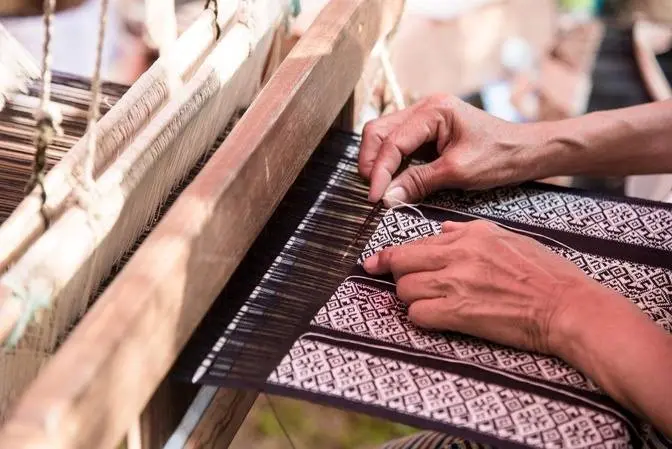
folk weaving. It is a highly developed craft which includes weaving textiles for national costumes
and sashes and embroidery decorating the costumes and interior textiles such as bedspreads and table
cloths. In conclusion, I would like to thank you all so much for taking the time to donate your
funds or even just for reading about my project. Any donation, no matter how small, will help and
is appreciated. And remember to share. This one click maybe means nothing to you but everything
to me.