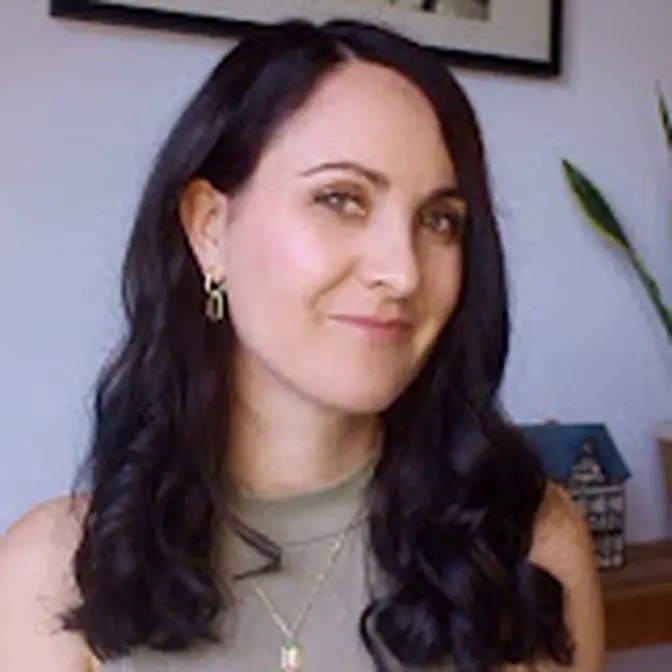
Hi guys, Welcome to my channel, I'm Antoinette who has been living for the last 10 years in Germany.
I was honoured to be recently interviewed by Shaun Behrens from the Germany experience podcast. Life in Germany, as seen through the eyes of outsiders. Featuring weekly interviews with guests who are either living as foreigners in Germany, or who have a vested interest in Germany.
So for those who don't know, maybe you can introduce yourself and just give a
bit of a background where you're originally from. Okay so my name is
Antoinette, I'm 35 years old and I am a New Zealander who has been living for
the last ten and a half years in Germany. So I'm from a beautiful little coastal
wine region called Hawke's Bay and it's on the east coast of New
Zealand, on the North Island. I'm a mother of two beautiful children, Amelia
who is seven, Matteo who is four and I'm married to a lovely man from Germany.
He's actually, well we say he's German of Polish descent, so he was born in
Poland, but he's lived the majority of his life in Germany. So I guess he's a
German-Polish guy, yeah. So you said you've been in Germany for ten years now
and you were living in New Zealand, so maybe you can take me through what
was your path to ending up in Germany? You mentioned that you have a
German husband and I've seen some of your videos on your YouTube channel, so I
know that that is some of the reasons. So maybe you can take me
through that whole journey. Yeah sure, okay. There's a lot of layers attached to the story but I'm
gonna try and keep it as short as I can. So I came to Germany by accident. I met
my husband, not even boyfriend at the time, we met in New Zealand. He was
backpacking for a year around New Zealand actually. A lot of Germans take a
year off and they do a work and travel year. And he was backpacking with a
couple of his German friends and it was basically just a year off for him. He
just wanted to sort of find himself and I guess just have a year of being free
and he had no commitments and he thought why not. So that's what he did and at the
time I had just returned from living in Melbourne, Australia and I came back to
New Zealand to finish off some studies that I had started but not finished. And
so I completed my bachelor's degree in visual arts and design and then I went
on to do my postgraduate diploma in teaching. And so I was super busy at the
time, I didn't have much time for socializing or anything like
that but a friend of mine convinced me to go out one night to a local bar for a
couple of drinks and I thought why not. Actually it took a lot of convincing, I
almost didn't go out that night. And then I got to the bar and I noticed a
very tall, dark, handsome, foreign looking man who was like kind of staring at me
which is kind of ironic now because German men are known to stare. And I
thought okay, you know, he's, I don't know, there was something about him. And I heard him
speaking a different language with a group of guys later on in the evening. I
didn't even know what the language was. So that's how much I knew about Germany.
I went up to get a drink and he actually introduced himself, said hi, I am Robert
and it was really awkward, really nervous. And yeah, we just got, he asked if I
wanted a drink and we got talking. And I said where are you from? And he said I am
from Germany with a very strong German accent. And I didn't expect him to be from Germany
because he was very, very dark. I thought he would be maybe, I don't know, maybe
Middle Eastern or something. But I was surprised, German, okay. Didn't know a lot
about Germany. And yeah, we just, we got talking, we, I thought he was a
lovely guy and at the end of the night he asked for my number and said, you know,
can I call you? I want to see you again. And I thought okay, why not? And I didn't
really expect to hear back from him. And then the next day he called me back. He
called me and he was extremely nervous. His English wasn't very good at all at
the time. It has since improved. But yes, it was quite an awkward conversation. He
couldn't really string a sentence together very well. But I thought, you
know, I'm gonna give him a chance, why not? So he took me out, he took me up for
dinner and I thought he was lovely. Okay. We just slowly got to know each other
and I, we were just really drawn to each other for some reason. And I regard, it
didn't matter like the language barrier, it didn't seem to matter. We just got on
really well. And so over that, the course of that year, we met sort of towards the
beginning of his stay in New Zealand. And over the course of that year, we just
got to know each other and we formed a relationship and it was nothing serious.
But it got to the end of the year and he had to go back to Germany because his
visa had run out. Right. And he was only allowed to stay in New Zealand for one
year. And we were like, what are we gonna do? You know, we have to be apart. And he
said to me that he wanted to stay in New Zealand. He had fallen in love with New
Zealand. He was on this big New Zealand buzz and he wanted to live in New Zealand.
And we tried to extend his visa, but that did not work. They're very, very tough
New Zealand immigration. Really? Yes, yes. Very, it's very hard to stay in New
Zealand. And basically they rejected. We spent a little bit of money trying to
get him to stay a bit longer and applied for different visas and they rejected
all of them. So it was like, no, he's going back to Germany. We're going to have
to break up. And then I came up with the idea to follow him to Germany. I was
finished with my studies, had a little bit of free time and I thought, why not?
It was a very, very long trip.
Yeah, it's a long trip to get from that part of the world to Germany. It's like, sometimes 24 hours to 30 hours or something.
Yeah. And I know you're from South Africa. It's also a really, really long trip.
It's not that bad.
Yeah. Yeah, it's pretty rough. It's pretty rough the trip.
Yeah.
Like they speak German. Well, his sister, she's deaf. She can't speak. But he, they speak German outside the home and Polish in the home. So it was these two different languages going on.
The clincher.
Yeah. So that's, that's pretty amazing, because it sounds like the story would have been completely different if he was able to get a visa, because the plan was to be in New Zealand.
Absolutely. Yeah. It's like that movie, Sliding Doors, you know, exactly, exactly. So it was, it all happened by accident.
Amazing. So, so you came over for, you said the plan was three months. And when you were there, you realized pretty early on that you probably want to be there for good.
But I was rejected. You know, I was the same as Rob. It's in Germany, it's not easy to just stay longer. And then that was when we just decided, let's get married. Let's get let's get engaged.
How long have you been together at that point?
We'd been we'd known each other for about a year. Yeah, pretty crazy. Absolutely crazy. But we didn't, we didn't think it was crazy. We were just like, we will. We want to be together.
Yeah, so we got engaged. I think all of our families were pretty shocked, but they supported us.
And then we decided that no, we found out that I could actually apply for a working holiday visa. So there was this kind of like an exchange program between Germany, New Zealand. So it was the same type of visa that Rob was on in New Zealand.
It was German immigration. I don't know if you've had, well, I'm sure you have had a lot of experience.
It's not an easy situation.
No, it's not. It's not. But I eventually got the visa and I had a year in Germany and we could plan the wedding. And yeah, we got married.
And there you are.
Yeah.
So when you were in Germany for the first time, so you were experiencing Rob and his family and getting to know them, but at the same time, you would have been seeing a bit of Germany itself. Now, I know that you are in the Würzburg area now.
Was that also in the Würzburg area?
So, yeah, but right now we live a little bit outside of the city. So it's still in the region, in the district, in the Würzburg district.
Because Würzburg is amazing, isn't it?
It's beautiful. Yeah.
It's so beautiful. Yeah.
I personally love it.
My wife and I lived there for, I think, nine years, about.
Oh, wow.
Because I've been living there for 13 years. So I was there.
Oh, gosh, I want to know about you as well. I have to watch one of your, I have to listen to one of your podcasts, rambling about life.
There's only 60 episodes. So don't worry, there's a lot of audio there.
But no, we're actually here for you. This is not about me.
I just was saying, I wanted to share my love for Würzburg because we moved to Schweinfurt first, which is about, I think, maybe 40 kilometers.
Yeah, I know Schweinfurt.
Yeah, and we were amazed by Schweinfurt because we didn't have experience of Germany.
So we moved there and we're like, oh, it's amazing.
Look at this church.
Look at this.
And then when we started doing day trips around, we were like, oh, Schweinfurt is actually not that great.
It's quite industrial.
It is very industrial. Yeah.
So we happened to go to Würzburg on one of our day trips.
And we just fell in love with it immediately.
And then we decided, my wife and I decided, this is where we have to live.
It is so special because it's small.
It's got like that village feel, but it's also got like a feeling like you're on holiday, basically.
It feels like a vacation place because there's the river.
Yeah, I think so.
And the bridge and the Marienburg Festung and so on.
It's really, really a special place.
It's a fairytale city, I think.
It's just the right size, not too big, not too small.
Yeah, exactly.
Exactly.
So when you were getting to know Germany a bit, what were your first impressions of it?
Was it something like you thought, this is completely foreign to me and I don't know if I could make it work here?
What were your feelings?
Completely foreign to me.
Yeah, definitely.
At the beginning, I was sort of, I guess, I saw Germany through rose-colored glasses in a way.
Everything was new and exciting and wonderful and just, yeah.
And then I think reality hit.
I think, I don't know how far into it, maybe a good four months, maybe.
It was just like, boom, hit me like a ton of bricks.
Just the whole German mentality, I struggled with a lot.
Just in New Zealand, I think New Zealanders, we are, how do I put it?
Very, very open, very, very friendly to the point where sometimes it can, to people from
other cultures, it could come across as fake, maybe.
But everything has to be great.
Everything's like, wow, this is amazing.
This is great.
This is, we sugarcoat everything.
And Rob struggled with that in reverse.
But yes, I struggled with that.
The hospitality, just everything.
I took it quite personally because I would smile at somebody on the street and they would
blatantly just frown at me or just look at me like I was crazy.
And that's just what I've grown up doing.
It's the New Zealand way.
And I just didn't feel like I fitted in at all in Germany.
And at the beginning, I thought, I don't think Germans are really that, I don't know.
I didn't particularly like Germans, to be quite frank.
But then I later realized that Germans are just as lovely and warm and open as New Zealanders
are.
It just takes a while to kind of break through that barrier.
So they have kind of like a front, if you know what I mean.
I know exactly what you mean, because I've struggled with that.
And I know a lot of my guests have struggled with exactly that.
It's a common theme, isn't it?
Yeah, it's beyond a stereotype.
It really is something, especially in Franconia, I think.
I think it's a special place in Franconia.
But I've heard about it from all over Germany as well.
It's just that there's a big difference.
And the South African culture is the same.
We're always smiling.
We're always friendly.
Oh, yeah, I know a lot of South Africans in New Zealand and they're just like Kiwis.
Yeah, exactly.
And that change to Germany is a really big thing, because they're also analyzing everything
that you say, which is, you know, for me, I'm used to making throwaway comments.
I will just make a stupid comment or a joke that is not even meant to mean anything.
You just throw it out there and you move on with your life.
And then the Germans latch onto that and question it with the rest of the team.
So, yeah, it's a common theme.
I have a lot of expat friends here and we all have had the same experience.
And some more than others, like I have friends from the UK.
Maybe it wasn't as big a culture shock for them, because maybe I feel like their culture
in some ways is a bit more reserved, a bit closer to the German.
I don't know.
But for me as a Kiwi, like, yeah.
Oh, yeah.
Yeah, it was.
It was.
So what do you think got you through that?
Because you said that the Germans are just as lovely and warm and welcoming in their
own way.
You get to know them when you break through that shell, you know?
Yeah.
So it was just a case of breaking through that shell or?
It took me a long time.
It definitely took a long time.
I think what I went through a stage of actually feeling quite like I can't do this anymore.
I can't.
This is not me.
I just missed everything about New Zealand.
Just everything.
The people, the food, the culture, just everything.
And what got me through it was knowing that Rob and I would have to separate if I left.
So I was kind of forced to just get through it.
I think when I started to really enjoy life in Germany was when I went to German language
school.
And so basically, just because I was married to a German citizen did not automatically
mean that I could stay in Germany.
I had to do a six-month intensive integration, not just a language course, but an integration
course, which was every day I had to go to these classes.
And I actually met a whole lot of foreigners, you could say, living in Germany.
And I made friends and I started learning German.
And so even then, I still wasn't really mixing with Germans.
Some of Rob's friends, they were great.
But it was, I just, yeah, I started enjoying it more when I started to meet people.
And it took me a long time to make actual German friends.
But I just started feeling happier and more open.
And yeah, when I started learning the language and started integrating a little bit more
in that way.
Right.
And it's important.
We found this as well, my wife and I, in the early days, to have those other expat friends
because they're going through the same things that you are going through.
And it still gives you that feeling of connection then that you're not necessarily getting from
the Germans.
Absolutely.
I know a lot of people say that you shouldn't concentrate so much on the expat friends.
But they were so important to me in that time and still are, still are.
Yeah.
Yeah, it is a tricky line to walk because you don't want to get trapped in that bubble.
But I think as well, in your case, you do have access to the German culture.
You do have a connection to Germany because you're married to a German, essentially.
So that's at least that side of things, yeah.
Yeah, yeah.
And I think even more so now, this is kind of skipping forward a lot.
But I'm much more, I am much more integrated now than I was back then.
Yeah.
How long do you think it took you to feel comfortable?
Like you said, when you started meeting those people and going to German school, how long
did that take?
Yeah, I think it took me a good couple of years.
And I think I realized that I was, Germany was really, it had really grown on me when
I went back to New Zealand, maybe for the second time.
I think I'd been back a couple of times in a few years to New Zealand just for a holiday.
And I realized that I was experiencing reverse culture shock when I was in New Zealand and
there were things that started to annoy me, just little quirks and just little things
about New Zealand.
I was like, why do they have to be so fake?
Or why did they just get to the point?
And just little things like that.
And I was missing Germany.
And I was actually really looking forward to going back to Germany.
It's amazing when you have that feeling of, oh, wait, that's home now.
My previous home was now, but I'm wanting to go back to Germany.
And that's a feeling like, oh, yeah.
It was quite a comforting feeling, actually, to be honest.
It was really reassuring for me.
And I just, yeah, it was a really weird realization, actually.
So, yeah.
And how is your German, would you say?
Are you pretty fluent now?
You know, that's always a tough question because you don't want to, I've still got a long way
to go, but my German is okay.
Like, it's not bad at all.
And I hear it every day.
My children are speaking German with my husband constantly.
I'm, you know, interacting with people in Germany every single day.
And I've made German friends.
Still, I would say, of course, English is my language.
But it hasn't been easy for me learning German.
It didn't come naturally to me at all.
I've had to really work at it.
But I don't know.
You'd have to, I guess, ask my husband that.
Because I feel, I don't know, I feel weird answering it.
I don't know.
Yeah.
I also don't like Austria because the moment you say that I'm fluent in German, then people
expect that you're perfect.
But I still get lost in conversations.
There's still conversations where I'm like, what is everyone talking about?
How long have you been in Germany for?
For 13 years.
13 years.
Okay.
Yeah, yeah.
So you're sort of at the same, similar place to me.
I think so, yeah.
Yeah, I think so.
I think we're very similar.
I think that when you've been here for 10 years, you're more of a German, I think,
because you've acclimatized to the culture.
You've gotten used to the things that are, the way that things are here.
And yeah, it's part of the reason I started this podcast as well, because I realized I
was missing that outsider's perspective that I used to have when I first started.
Yeah.
When I first came here.
Yeah.
You mentioned your children.
So you said at the beginning that you've got two children and you've got a third one
on the way.
Congratulations.
Yes, yes.
Thank you.
I mentioned that at the beginning that I'm pregnant.
I'm not sure.
I can't remember.
You may have.
So yeah, we've got a little boy arriving in January, the end of January.
Yeah, I think you did mention that, actually.
And so you mentioned that they are talking German.
So how have you handled that?
They were all born in Germany, obviously.
Yes, yeah.
Yeah.
And how does that bilingualism work?
Okay, we're raising our children using the one parent, one language method, which is
basically my husband speaks his mother tongue, German.
His first language was Polish, but he's lived in Germany since he was a child.
So Germany has become his mother tongue.
He thinks, he reads, he, you know, it's just German.
And I just speak to them in English.
And I always have.
And that made complete sense at the beginning, because Amelia's coming up eight.
And so my level of German was not good at all when she was born.
And it just was the most natural thing for us to do that.
And I'm pleased we did it, because I always communicate with my children in English,
always have, always will.
I know a lot of people try and say to me that when they start school and when they get older,
they won't want to speak to me in English.
But I can't imagine it.
Can't imagine it at all.
Yeah.
And yeah, they're doing really well with both languages.
I would say my little boy, who's four, he would probably, English would probably be
a stronger language.
He was, I had been at home with the kids, like I've been a stay at home mom.
So he's had a lot of English input from me and from friends of mine.
And Amelia, I'm not saying her English isn't good, but I think German would be the language
she probably dreams in.
You know, it's, I think Germany would be, German would be her slightly stronger language
because she's at school.
And I think she gets a lot more German input, but still, I think her English is great.
Yeah.
It's interesting to see how they gravitate towards a specific language as well.
But it never, with our daughter as well, it amazed me how fast she learned German.
Oh, it's unbelievable.
It's incredible, yeah.
Because we just, we're an English only household.
My wife is also South African.
So we had a situation where I was really scared, like, how are the kids going to handle that?
And then my daughter, who's five years old, went to kindergarten when she was, or Crippa,
when she was two years old.
And within, by the time she was three, she was speaking both languages.
And now she's gravitating more towards German.
Like, and she's like a German native.
That's really interesting, wow.
Amazing, yeah.
I'm not surprised, but it is, yeah, it's amazing.
I guess it's a similar situation with Rob.
He only spoke Polish in the home, but German, although he is fluent in Polish, still German
is his language.
So I think maybe it's similar to that, yeah.
But on the other hand, English is a language that is, everybody's, you know, it's different.
You can't really compare it to Polish in that way.
So, yeah.
It is also an advantage for the kids to have that German, the English base as well, I think,
going forward.
I think it is.
It is, yeah.
Yeah.
Yeah, we're continuing with the English at home because our, my German is still so.
Fantastic.
Yeah, my German is still too many errors to teach them good German.
So I'll just try and teach them reasonable English.
I think it's great.
There's so many really effective ways for raising bilingual children.
And I know a good friend of mine also does the same, even though her husband's German.
His level of English is really, really great, like a native.
And they just do the English at home, English, they only watch English films, and that's
working really well for them.
So it's, there's no right or wrong.
It's just whatever works, I think.
Yeah, I think whatever you feel most comfortable with at home, in your home environment that
feels like home.
Exactly.
It has to come naturally.
Otherwise, yeah.
Having said that, what would you do, is there anything that you would do differently with
number three?
No.
So you said, was it Emilia, right?
Yes, Emilia.
Emilia, she's eight years old.
You were still very fresh in Germany when you had your first child.
What was that like?
It was great.
I have great memories of that time.
It's actually, that's another story altogether, which I recently, I did make a YouTube video
on that.
But it was an interesting time because my husband was going through a career change.
And so we were just dirt broke.
We had no money at the time.
He was originally a mechatroniker.
So he was an electrical mechanic.
And he was working for a yacht company and working with fiberglass and just not enjoying
it.
Wasn't very well paid.
And he decided that he wanted to get into winemaking and viticulture.
And so, yeah.
And that's what he did in Ausbildung.
He did a full-time Ausbildung to do this.
And anyway, yeah.
So he basically went from working full-time in a full-time job.
I was a stay-at-home mom at the time and went to doing this Ausbildung where you get paid
nothing.
Like, it's absolutely ridiculous how much, I just can't believe that we got through those
years on the amount of money that he was getting.
And he started a little business delivering fresh bread in the mornings to people's homes
to get a little bit of extra money.
And we were struggling a lot.
And it went on for, was it three years or something?
Anyway, it was great times.
Like, we were poor, but we were happy.
It was great.
Had my in-laws living close by.
My mom came to visit.
And had Amelia and the little baby carrier with me everywhere.
And just simple, just great times.
Yeah.
Yeah, those times end up feeling like somewhat of an adventure.
Sometimes when you're going through those difficult, whether it's financial stages or
something, it can be pretty challenging at the time.
But at the same time, it's a great adventure, especially when you come out and look back
on it afterwards.
In hindsight, for sure.
I don't know if I would have been speaking so positively about it at the time.
But now we're sort of out of that, I can like sort of joke about it.
And yeah, definitely.
Like you said, it's at the time, maybe not so great.
But yeah, it's a great story to tell, I guess.
Yeah.
There were a lot of struggles.
Being a new mom, I struggled more, actually, when the second child came along.
But yeah, I found the jump from one to two quite challenging.
Yeah.
Okay.
You have just also now built a house in Germany.
So I've got, I saw a video where you showed the interior.
It looks beautiful.
Absolutely beautiful house.
So you decided to build a house.
First of all, what were your reasons, if you don't mind me asking?
I think it just sort of made sense for us, the amount of rent we were paying.
It was, yeah, I think in New Zealand, we have more of a, most people own their own homes.
And it's not so much of a thing here in Germany, actually.
No.
A lot less people own their own homes or build.
But we just, I guess we decided that we, my husband worked it all out,
and we worked out if we could save enough for a deposit, then it just made sense for us.
Because the, you know, paying off the mortgage was less than the rent and that type of thing.
So we thought, why not go for that?
Yeah.
We looked for years for something, like just to buy, and nothing was coming up.
It's quite a tough market at the moment.
You have to know a lot of people and word of mouth and that type of thing.
And we just, nothing came up for us.
So we decided to build.
Yeah.
So my question is, because I've heard from people that that can be a stressful decision,
or a stressful time.
Oh, yeah.
I'm going to say-
Absolutely horrific.
I think we had a pretty good marriage, but that tested us.
For sure.
It's all good now.
But, oh, yeah.
It was rough.
Yeah.
So it was, what was the things that make it rough?
Is it that things are running late, or things start going above budget?
I think the first thing was that our building company filed for bankruptcy.
Oh, no.
It took us months and months to plan.
We had an architect planning everything out.
And right before they were about to lay the foundation, they sent us an email saying,
sorry, this company does not exist anymore.
We filed for bankruptcy, nothing we could do.
So we lost a bit of money.
It was nothing dramatic, but we lost a lot of time.
And also, we were still paying rent in the house we were living in.
And it was just, to be honest, it's first world problems.
I think a lot of people are going through a lot more stressful things.
But for us, it was not nice.
And so we had to start from the beginning again and find another building company, which
the second building company weren't that great either.
They make all these promises to you and say everything's going to be great.
And it's all the salesmen.
You know what I mean?
And so they're basically trying to get as many people on board as possible.
So they've got enough work lined up for the next few years.
And then once they've got you locked in, they'll just do whatever they want with you.
Yeah, there's no chance.
Yeah, so it was definitely taught us patience, for sure.
And it was just very frustrating.
And it took us probably two years from the time we bought the land until our house was up.
So, yeah.
Wow.
Yeah, that's a long time.
It must be a great feeling when you're finally in there and living in the house.
Oh, yeah.
Yeah, but my husband, he had to organize a lot because, just sort of business German,
it's not really my, I'm not, my German is not at that level.
I just can't, there's so much, you know, German paperwork, you know what it's like.
But when you're building a house, it's just, it's extreme.
And my husband had all of that on his shoulders, working full time.
And he got very, very stressed.
It affected him, his health.
And he's only just kind of coming right after it.
It was like, it was a shock to the system.
Yeah.
Yeah, I can imagine.
It is, we also bought a house and just that aspect was difficult enough,
like figuring out what the contracts, how the contracts work, how the different...
Oh, yeah, I've heard that story.
It's just, I mean, but it's nothing.
It's a drop in the ocean to what you guys have gone through and building.
And that's also, we briefly considered as well, but with us being two non-Germans,
we just decided, like you said, my business German is not at that level.
Good call.
This is kind of cynical and dark, but somebody gave us the advice that
you can get these houses that couples have built for cheap,
because during the process, they ended up getting divorced
and they need to get rid of the house.
I'm not surprised.
It is a terrible thing, but yeah.
I'm not surprised.
Yeah.
Okay.
So you would not recommend to other people,
other foreigners who are thinking about it, or just to be aware?
Probably not.
Yeah, just to be aware.
And do you know what?
Sometimes it runs beautifully.
And we just had bad luck, I think, with the company was very unreliable
and keep pushing back dates and keep lying to us.
And it's, oh gosh, I don't want to go into it too much
because it's not interesting.
It's just all of that boring kind of stuff.
And yeah, but no, I wouldn't recommend it.
I wouldn't, unless you have a really...
If you have a really strong marriage.
And yeah, it's very testing.
Very testing.
Good to know.
So now, you are a YouTuber, Antoinette.
Emily is the name of your YouTube channel.
And it has grown over time.
I think the last time I looked,
there was something like 50,000 or 55,000 subscribers.
I'm not sure.
It's around 55,000.
It's growing.
It hasn't grown super quickly, but it's steadily growing over the years.
So why did you start the channel in the first place?
And at what point did you start it in your time in Germany?
That also was kind of something that happened accidentally in a way.
When Amelia was around, I think she would have been about, was she four?
I just had always loved YouTube.
I was just somebody that watched YouTube.
And I started my channel as something completely different
to what it is now, what it has developed into.
I started it out as a kids art and craft channel because of my arty background.
I thought, you know, I'm an art teacher and I've got...
I was a stay-at-home mom.
And I thought I could kind of combine that.
And I did little tutorials, like kids art and craft tutorials.
And they were really cool.
I had fun doing it, but they weren't getting a lot of views.
I put in a lot of work.
And then one day I made a video talking about weird things that they do in Germany randomly.
I just thought, I'm just going to try something different
because I'm putting so much effort into these videos.
And I'm getting like 50 views or something like that.
And it just didn't seem worth it.
I was just doing it as a hobby.
And this video kind of took off.
I think I got 20,000 views in the first week.
Wow.
And the views just kept going up.
And it was basically me talking about things that I found a little bit unusual
when I first came to Germany as a New Zealander.
And people seemed to really enjoy it.
And I noticed that a lot of Germans were watching and commenting.
And they were really cool about it.
Like they were laughing with me.
I had some that just didn't approve of saying anything negative about Germany.
But I did it in a lighthearted sort of fun way.
I don't think it was very offensive.
And then I thought, wow, this is great.
My channel wasn't even monetized at the time.
And then I decided to just keep going with the German themes.
I think I did the expat tag, which was going around for expats.
And I kept getting quite good views on these types of videos.
And I realized there's like a bit of an audience for this.
And it just happened from alone, out of nowhere.
And my channel started to slowly grow.
And then I monetized my channel.
And I started getting a little bit of ad revenue and just kept going with it.
Yeah.
So it just happened out of nowhere, really.
And I enjoyed making the videos.
I think when I first came to Germany, I was so desperately trying to look for people
that I could relate to that were also expats and that I could connect with.
And it was really hard to find people online.
There was not really any YouTubers doing that kind of thing.
And so I just talk about all of the joys and the frustrations of life in Germany.
And Germans like to listen to it.
And like to learn a little bit about their culture through my videos.
And then there was expats who could relate to my experiences.
So, yeah.
Yeah.
And of course, back then, there may not have been a lot of that now.
But there's definitely a lot more YouTubers in that space now.
And I see new ones popping up every week now.
It definitely seems like there's a lot.
It's a crowded space at the moment.
Yeah.
And I didn't even know that there were YouTubers that did this until you get...
When you start making this type of content, you get recommended other videos.
Yeah.
And so it's put me in touch with some like Hayley Alexis.
I don't know if you watch her videos.
I do, yeah.
We became friends through that.
I saw you went to the Oktoberfest together.
We did.
Yeah.
And she's just so cool.
She's a very lovely person in real life.
Not saying she's not in her videos, but she's very down-to-earth and really, really cool.
So, yeah.
Then I discovered, actually, a lot of people are doing this.
And there's expats in Italy and Spain.
And there's a lot of people out there doing this kind of thing too.
Yeah.
And there was none of that when I came to Germany in the beginning.
And I'm sure with you as well.
Like when I came here, YouTube was just in its early stages.
So there wasn't much of these videos going on.
Like all the DIY stuff and how to boil an egg and that type of thing.
So it was nothing like that.
No, no.
Yeah.
So that's pretty good.
So you'd say that it's changed your life making these videos?
Because you're still doing it after all these years.
I'm still doing it.
Yeah.
I think when I hit about, was it 11,000 subscribers?
I had companies that started reaching out to me, which was crazy.
And I sort of language schools, online language schools,
and all sorts of different companies.
I'd get my inbox would be flooded with all these companies wanting me to advertise.
And I didn't know what to do with it at the beginning.
But I did, I think my first sponsored video was for italki.
I was like, wow, this is awesome.
And then, yeah, it just continued.
And I was able to get a couple of one or two sponsorships a month.
And then I would, there'd be a lot of companies that weren't appropriate at all to work with.
And so I had to turn them down, but I'd pick the ones that I really liked.
And you get a little bit of ad revenue, it's nothing to make you rich or anything.
But it allowed me to be able to earn a little bit of an income.
Yeah.
And keep doing it, of course.
And keep doing it.
And it's fun.
I really enjoy it.
So you mentioned that way back, you studied arts and graphic design, I think you said.
And then you started your channel initially as some kind of arts and crafts thing for kids.
So obviously, you were looking, like you said, for connection to people.
But I guess you were also looking for an expression of your creativity
or that artistic side of yourself.
Yeah.
Yeah, I did.
It's in some way, it's with, I'm not the greatest video editor or anything like that.
But it's something I'd like to explore and get more into.
And I find it, I like telling stories.
And I like to, it's, yeah, it really, I really enjoy it.
It's, it is definitely a creative outlet in a way for me.
Yeah, very cool.
And so that is Antoinette, Emily.
And people can find, I'll put it in the link in the show notes
for the three people who don't know who you are, or what your channel is.
Oh, come on.
So at the end of my interviews, I usually ask my guests,
what is the one bit of advice, the biggest bit of advice that you can give to foreigners
who are looking at coming to Germany?
Be open to the language, be open to the culture.
And I have a feeling that Germany may just grow on you.
Yeah, it does grow on you.
It does, yeah.
Well, did you find that as well?
Yeah, almost exactly how you described it.
There was the honeymoon phase where you get here and everything's amazing.
And everything's fantastic.
And it's still new and it's an adventure.
And then after about four to five months or six months, you hit that brick wall where
you think, what's wrong with these people?
What is wrong?
Why are they so analytical?
Why are they so unfriendly?
Why are they so cold?
And I think for you, I can imagine coming in winter is particularly challenging because
as nice as winter could be for someone who hadn't experienced it, like for us as well,
like in South Africa, we don't have much of that kind of winter.
But it's also a very dull, grey, drab time.
And it kind of adds to that feeling of isolation and depression.
I think once the Christmas markets are over.
Yes.
And that's when it really kicks in, you know.
February is always a nightmare.
Yeah, definitely.
Yeah.
Winter drags on a lot.
Yeah.
I struggled with the winters.
I have to say that.
Summers are beautiful.
The in-between seasons are beautiful here.
Yeah.
Autumn as well is my favorite season as well.
Autumn is beautiful.
Yeah.
Autumn's just amazing in Germany.
Yeah.
So there you go.
Something I wanted to ask you earlier, but I didn't get to it.
When we're recording this interview now, it's currently lockdown light,
and there's a whole coronavirus situation going on.
You mentioned earlier on that your mom would,
I think you said your mom would come and visit you quite regularly, quite often.
Has this impacted her travels to Germany?
Have you?
Yes, definitely.
So it's been a while since you've seen family?
I haven't.
It's been a year since I saw my mom.
So before all of this madness happened, she was here for,
she saw the house getting put up, our house.
But it was like well over a year ago, actually.
But she was planning on coming back when the baby was born.
And I just don't know if it's going to happen because in New Zealand,
they have very, very strict quarantine rules
where you have to isolate in hotels for weeks.
And it's very, very expensive on top of the expensive plane ticket.
And I don't know when things are going to get back to normal.
I guess it's, so many people are in a similar situation.
So I just, I need to focus on the positives.
Otherwise, it drives me crazy.
You know, I'll just lose the plot.
It is, it is hard.
Yeah.
Yeah, it is hard.
My daughter is one year old, and my dad in South Africa still hasn't met her yet.
And that's heartbreaking because,
it wouldn't be so heartbreaking if I knew,
okay, March next year we'll be traveling.
So it's something to look forward to.
But at this point, you just don't know like,
how long is my dad not going to see his other grandchildren
and also not meet his youngest grandchild?
It's just, it's absolutely heartbreaking.
It's really heartbreaking, yeah.
I think that's something that as expats, it gets us through.
Knowing the next time we're going to see,
making plans to visit our country
or knowing that somebody's going to come and visit us
and that kind of having those little things to be excited about
gets you through it.
And not this unknown, it's really tough.
Also, something that helps me is knowing
there's other expats going through exactly the same thing like yourself.
Yes, yeah.
It's important to connect with those people
and talk to them about that as well.
Because it's...
Exactly, that's why you have to have expat friends.
Have expat friends.
That's also some advice.
Don't listen to anyone that says otherwise.
Yes, exactly.
I agree, I'm 100% on board with that.
100% on board.
All right, but Antoinette, I think we'll wrap it up there and finish up.
I want to thank you again for taking the time out of your schedule
to come on.
My pleasure.
Thank you so much for taking your time to interview me.
And it was great.