
What I learned selling in art markets for a year
Hi everyone. Welcome back to my channel. Time has flown by and I can't believe
we're already in mid-December. It's a cold and rainy winter here and I'm
definitely wearing all my wool sweaters now. But first things first, we have to
make some matcha. Then I can tell you about what I learned during art markets
for a whole year. This year I specifically focused on doing art markets.
It was a growing year for me and I learned so much from these markets. Here
are some of my learnings. Number one, scout out the market before signing up.
If you've never participated in art markets before as a vendor, I highly
recommend going to the art markets you're planning on attending to see what
it's like. You can scout out who's selling there, will there be other
vendors who have similar work with you, what are the clientele vibes, what is the
venue like, like is it indoors, outdoors, layout, etc. Sometimes it's not likely to
do this because some markets only do a few times a year and you want to start
right away. If that's the case, I would scout out their Instagram page for
prior events, saved stories, and websites to see how much engagement they have, how
many followers, and who are some of the prior vendors. I have definitely attended
markets where I realized either the venue was not right, the traffic was not
enough, or the clientele was not my type of customers. For example, maybe the
customers were looking to find bargains, or vintage clothing, or non handcrafted
items. So of course everyone's targeted audiences are different. Maybe you do
need a different set of audience than mine, so definitely tailor the
requirements to your own markets, your own location, and art medium. Number two,
budget your market display spending. Now you've decided to participate in an art
market and you will be understandably so excited to start preparing. It's
definitely essential to get the right display and stand out from other vendors,
but before buying the next beautiful display on Amazon, it's best to first
figure out your needs. For example, like what is your table layout spaces and
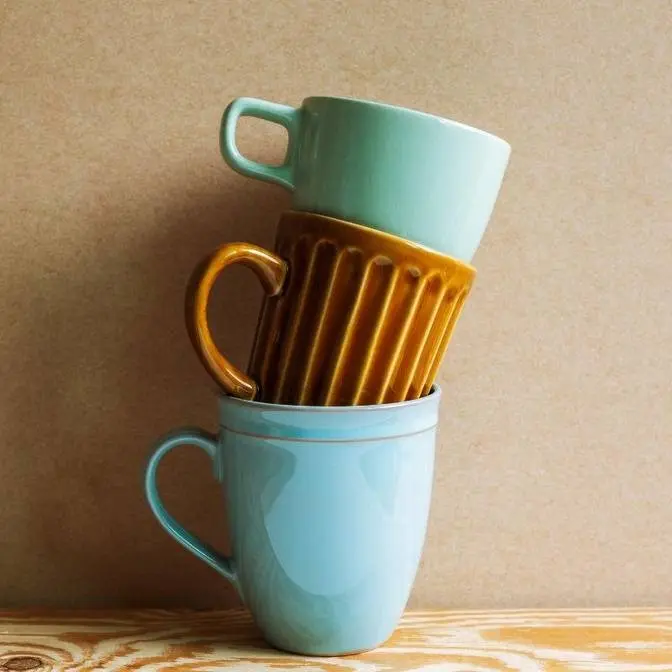
type of displays. I bought some acrylic step displays for my ceramic mug at the
beginning, and I realized later on that most of my pieces are too big to fit on
to those shelves. I still made it work, but I wish I had measured my work prior
to purchasing the display shelves so I get something that's more useful and
versatile. If you don't know where to start, I would start with some basic
wooden crates from Ikea. I will link them in the description. You don't have to get
them from Ikea. A lot of big-box stores like Walmart, Home Depot, Sam's Club, Costco
would carry them. They are great to carry your artwork in. The crates are in
a neutral color so it doesn't take away from your artwork, and it also provides a
height to boost your artwork to the customer's eye level. But if your artwork
is different from ceramics, maybe it's glassware, maybe it's stationeries, you
can use Pinterest to search for some art market displays to get some ideas. I
would even sketch out what display would look like and plan out the layout and
revenues and expenses. This is semi related to the point before about
spending. Time is not a renewable resource, and if you'd like to scale up
your business, spending hours in unproductive markets is not going to
help anyone. In order to figure out objectively which market is better for
you, you should track the income and expenses for each market. One of the
things to do to become more financially aware is to start tracking your market
revenues and expenses. It doesn't have to be complicated. All I do is I bring a
little notebook with me during markets and I write down how much I paid for the
booths and how much I made that day. At the end of the year, I can look back and
evaluate which markets I'd like to do again next year and which ones I'd like
to eliminate. While we talk about expenses, I have a side note. Towards the
end of this year, I realized I did something wrong at the beginning. So I
switched my card reader from Square to Shopify. Neither are sponsoring my
video, but because my website is with Shopify, I can easily track and update
inventory if I use the Shopify card reader as well. If you are just setting
up your art business, getting the card reader that matches with your website
might be something to consider. Number four, have a variety of price points of
products for your booths. When you have multiple price points, it's more likely
you will get more sales. Sometimes people come to your booth and they love your
work, but they won't necessarily want to spend a lot of money, which is fine. At
the beginning of me trying out art markets, I only had mugs. They were about
$35-$45 a piece. And as I did more art markets, I introduced stickers and
fridge magnets, which are at a lower price point, $5-$10 range. I also
introduced intricate pieces at a higher price range, about $55-$65 for
different customers to choose from. Having multiple price ranges really
helped showcase what I can do with ceramics, as well as give people a chance
to choose what they want to spend at my booth. I find people are more willing to
come over and talk about my ceramics when I have a variety of things on the
table as well. I have a couple more learnings on my blog post, which I'll
link down below because I didn't want this video to be super long. Ultimately
though, you won't know what your preferences are until you try a few
markets. I'd consider these booth fees that you use to try markets would be
necessary expenses to start in the field. Take these tips with a grain of salt and
tailor them to your own needs and preferences. Now I wanted to update you
on my recent adventures. I took two weeks off in end of November and beginning of
December to visit Costa Rica. During that time, I did some snorkeling for the
very first time off a small island called the Canoe Island on the Pacific
Ocean. We saw really big sea turtles, giant stingrays, friendly sharks, and sea
urchins, puffer fish, coral reefs, and so many beautiful tropical fishes. The ocean
is so blue there, although towards the end I did get a little seasick, but it
was totally worth it. I hope everyone is winding down a little at the end of the
year and having some time to relax before the holidays. Thank you so much
for stopping by and I'll see you next time. Bye!