
Inspiring Vegetable Gardening Ideas for 2024: Designing Small Wooden Planter Areas
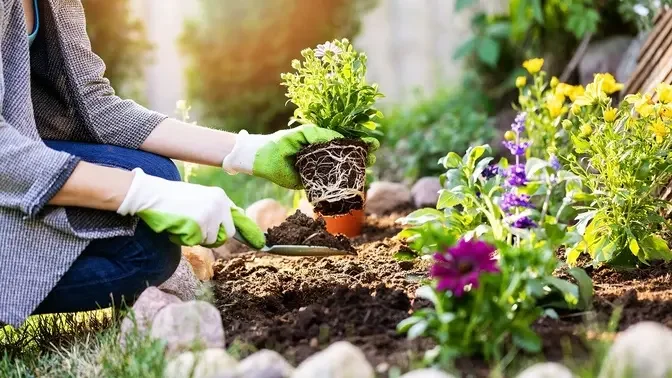
container gardens for growing fresh vegetables. Wooden planters are more than just practical.
They combine charm with functionality, allowing you to cultivate your own produce in a way that's
these versatile containers can turn any space into a thriving vegetable garden.
If you're inspired to bring the farm-to-table experience to your own home,
subscribe to Concept with Justin for more tips and designs.
Like, share, and comment to let us know how you envision your perfect container garden.
Now, let's explore how to create a bountiful vegetable garden using
wooden planters that blend beauty with practicality.
The benefits of wooden vegetable planters
Wooden planters are ideal for small vegetable gardens,
offering a range of benefits that make them a favorite among gardeners.
Their natural aesthetic, versatility, and eco-friendliness ensure they enhance any
space while supporting healthy plant growth. Wooden planters are inherently charming.
Their rustic, natural appearance complements any outdoor space,
from modern patios to traditional gardens.
Using untreated or reclaimed wood adds authenticity and reduces environmental impact.
These planters are highly adaptable, accommodating various shapes, sizes, and layouts.
Whether it's a single box for herbs or a series of raised beds for larger crops,
wooden containers can be tailored to fit any available space.
By elevating the soil, wooden planters improve drainage and minimize the risk of water logging,
ensuring vegetables grow in optimal conditions.
This elevation also makes gardening more accessible, reducing the need to bend or kneel.
The insulating properties of wood help regulate soil temperature,
protecting plants from extreme heat or cold.
When paired with proper linings and treatments, wooden planters offer durability and longevity.
Choosing the right wood for planters is the choice of what significantly impacts the durability
and appearance of your planters.
Selecting the right material ensures the containers are both functional and long-lasting.
Cedar is a popular choice for wooden planters due to its natural resistance to rot and insects.
Its warm tones and smooth grain make it an attractive option for any garden,
while its lightweight nature simplifies assembly and transportation.
Redwood shares similar qualities to cedar, with exceptional durability and a rich, vibrant hue.
Its high resistance to decay ensures it remains sturdy and beautiful for years.
Even in damp conditions.
For a more economical option, pine or fir offers affordability and versatility.
While these woods require treatment to prevent rot,
they are readily available and easy to work with, making them a great choice for beginners.
Using reclaimed wood, such as old pallets or barn wood,
adds character and sustainability to the project.
Ensure the wood is untreated and free from chemicals to maintain soil and plant health.
Designing wooden planters for maximum efficiency,
well-designed wooden planters enhance productivity and aesthetic appeal,
ensuring your vegetable garden thrives in any setting.
Thoughtful design elements optimize space, accessibility, and functionality.
Raised beds are ideal for maximizing efficiency in small spaces.
By elevating the planting area, these structures improve soil drainage,
reduce weed growth, and provide ergonomic comfort.
Beds that are 2 to 3 feet wide ensure easy access to all plants without overreaching.
Vertical planters add dimension to the garden, making the most of limited square footage.
Using tiered boxes, stacked crates, or wall-mounted planters creates
opportunities to grow more crops in compact areas.
This approach works especially well for herbs, strawberries, or trailing plants.
Incorporating modular designs allows for flexibility and expansion.
Planters that can be rearranged or added to over time accommodate changing needs,
from increasing crop variety to adapting to new spaces.
For a cohesive look, painting or staining the planters in complementary colors enhances
their visual appeal while protecting the wood. Choosing natural tones or garden-friendly
hues ensures the planters blend seamlessly with their surroundings.
Choosing vegetables for wooden planters The success of a wooden container garden
depends on selecting vegetables suited to the planter's size, depth, and environment.
Understanding crop requirements ensures a thriving and bountiful harvest.
Leafy greens like lettuce, spinach, and kale are excellent choices for shallow planters.
Their compact roots and quick growth make them ideal for continuous harvesting.
Root vegetables such as carrots, radishes,
and beets thrive in deeper planters with loose, well-draining soil.
Tomatoes, peppers, and eggplants require larger planters with sturdy support structures like
stakes or cages. These plants benefit from nutrient-rich soil and consistent
watering to produce high yields. Herbs, including basil,
thyme, parsley, and cilantro, flourish in small or medium-sized planters.
Placing these containers near the kitchen offers convenience while adding fragrance
and greenery to the space. Companion planting enhances productivity and detests pests.
Pairing marigolds with tomatoes or basil with peppers creates a symbiotic relationship that
supports healthy growth and natural pest control. Sustainability in wooden container gardening
Creating an eco-friendly wooden container garden supports sustainability while ensuring
the health of your vegetables. Simple practices reduce waste,
conserve resources, and promote environmental harmony.
Using untreated or FSC-certified wood ensures the materials are responsibly sourced and safe
for plants. Avoiding pressure-treated wood prevents chemical leaching, maintaining soil
integrity. Adding a liner made of natural fabrics like burlap or landscaped fabric protects the
wood from moisture while allowing for proper drainage. This extends the life of the planters
without compromising sustainability. Organic compost enriches the soil,
providing essential nutrients for vegetables while reducing reliance on synthetic fertilizers.
Composting kitchen scraps and garden waste creates a continuous supply of natural fertilizer for the
garden. Drip irrigation systems deliver water directly to the roots, minimizing evaporation
runoff. Pairing these systems with rainwater collection barrels reduces water consumption
while supporting plant hydration. Arranging planters in rows or grids creates a clean,
organized appearance, ideal for formal gardens or patios. For a more dynamic look,
staggered or clustered arrangements add visual interest and encourage exploration.
Pathways between planters provide access for maintenance and harvesting. Using gravel,
stepping stones, or compacted soil creates defined walkways that keep the garden tidy and accessible.
Incorporating decorative elements like trellises, garden signs, or colorful pots adds personality to
the space. These features complement the wooden planters while enhancing the garden's overall
appeal. Thank you for joining Concept with Justin on this journey into wooden container gardening.