

Unthinkable Destruction Of The Mongol Siege That Erased Baghdad's Brilliance in 1258
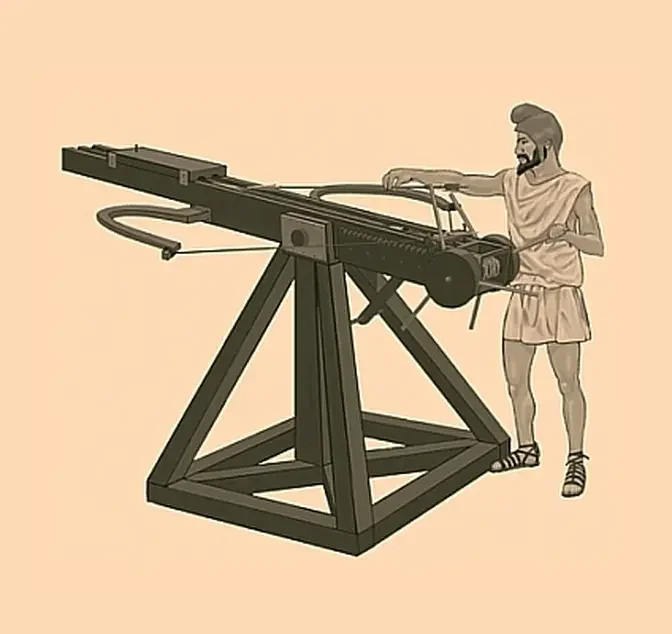
#AncientWeapons"This historic tragedy transformed a thriving metropolis into a silent graveyard, marking the end of the Islamic Golden Age. Dive into the gripping details of this devastating event, from Baghdad’s grandeur to its heartbreaking fall, and understand the profound implications that still resonate today.
Baghdad, once the heart of the Islamic world, was a shining example of cultural and intellectual achievement. During the Islamic Golden Age, the city thrived as a center of innovation, boasting the legendary House of Wisdom, where knowledge from various civilizations was preserved and enhanced. Scholars, poets, scientists, and artists converged in Baghdad, contributing to advancements in algebra, astronomy, medicine, and philosophy. The city’s grandeur was reflected in its architecture, markets, and cultural vibrancy, symbolizing human potential at its peak. This makes its eventual destruction all the more devastating.
The video delves into the rise of Hulagu Khan, the Mongol leader whose ambition reshaped the Middle East. Hulagu was a master strategist and tactician, known for his relentless campaigns. His mission wasn’t simply conquest—it was about obliteration. After dismantling key opposition, including the feared Assassins in Persia, Hulagu turned his attention to the Abbasid Caliphate. Baghdad, the jewel of the Islamic world, became his ultimate target. Hulagu’s calculated use of psychological warfare and ruthless tactics created an unstoppable momentum as he approached the city, leaving terror in his wake.
As the Mongols advanced, Baghdad’s political and military vulnerabilities became glaringly apparent. Caliph Al-Musta'sim’s leadership faltered due to complacency and misplaced trust in both his advisors and potential allies. Internal betrayal and fractured alliances left Baghdad isolated and unprepared for the siege. Hulagu capitalized on these weaknesses, ensuring that when his forces surrounded the city in January 1258, resistance was futile.
The siege itself was an unrelenting nightmare. The Mongols deployed advanced siege techniques, bombarding the city day and night, breaking its defenses with sheer force and strategy. Once the walls fell, the atrocities began. The Mongols unleashed a massacre that decimated Baghdad’s population, destroying its infrastructure and cultural treasures. The House of Wisdom, a repository of centuries of knowledge, was deliberately targeted. Priceless manuscripts were thrown into the Tigris River, turning the water black with ink and marking a catastrophic loss for humanity.
This tragedy didn’t end with the city’s destruction. The fall of Baghdad had far-reaching consequences, signaling the collapse of an era. The Islamic Golden Age, which had profoundly influenced global knowledge, came to an abrupt end. The vacuum left by Baghdad’s fall altered trade routes, political landscapes, and intellectual pursuits. While other cities tried to fill the gap, none could replicate Baghdad’s unique role as a hub of innovation and cultural exchange.
The video also reflects on the lessons of Baghdad’s fall, emphasizing the fragility of cultural achievements and the importance of preserving knowledge. This historical event serves as a cautionary tale about the devastating consequences of political complacency, betrayal, and unchecked ambition. It also highlights the interconnectedness of civilizations and the enduring impact of their contributions to human progress.
Timestamps:
00:00 Intro
00:46 Baghdad's Golden Age and Its Significance
02:32 The Mongol Approach: Hulagu Khan's Mission
04:42 Political and Military Weaknesses of the Abbasids
06:51 The Siege and Destruction of Baghdad
09:10 Aftermath and Legacy
11:01 Outro
"