
Hathor Goddess of Love, Music, and Motherhood in Egyptian and West Asian Mythology
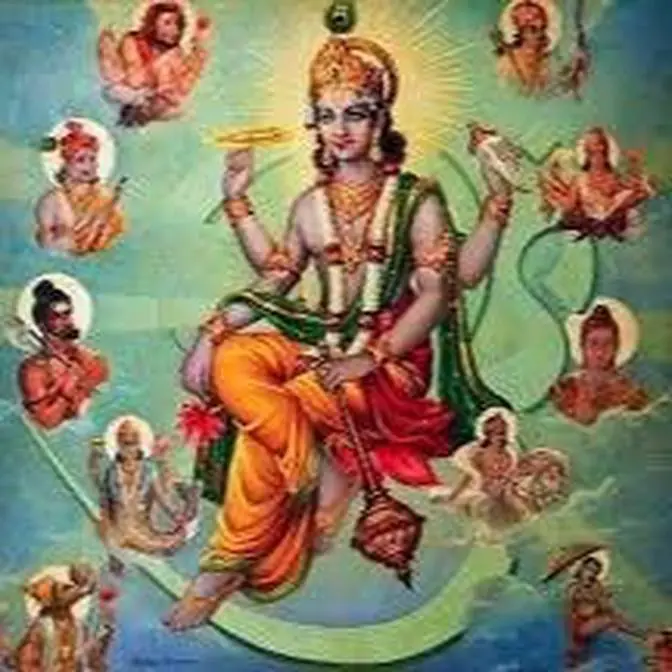
Hathor, the beloved goddess revered in both Egyptian and West Asian mythology,
embodies the multifaceted aspects of femininity, fertility, and joy.
Known for her roles as the goddess of love, music, dance, and motherhood, Hathor holds a
central place among the pantheon of ancient deities, symbolizing abundance, beauty, and divine grace.
In ancient Egyptian mythology, Hathor is often depicted as a celestial cow goddess,
or as a woman with cow ears, symbolizing her nurturing and maternal attributes.
She is closely associated with joy, love, and happiness, and is celebrated for her role in
providing sustenance to the living and nurturing the deceased in the afterlife.
As the goddess of love, Hathor oversees romantic relationships, fertility, and childbirth,
ensuring the continuation of life and the prosperity of families.
Her presence in rituals and festivals underscores her importance in Egyptian
religious practices, where she is invoked for blessings of happiness and fulfillment.
Hathor's association with music and dance also highlights her role as a patroness of the arts.
She is often depicted playing the sistrum, a musical instrument symbolizing joy and rhythm,
and is believed to inspire creativity and artistic expression among mortals and gods alike.
Beyond Egypt, Hathor's influence extended to West Asia, where she was sometimes assimilated with
or compared to other goddesses with similar attributes related to love,
beauty, and fertility. Her worship spread throughout the ancient Near East,
adapting to local beliefs while retaining her core identity as a nurturing and benevolent deity.
In art and iconography, Hathor is portrayed with a headdress of horns and a sun disc,
symbolizing her celestial nature and association with the sun.
She is depicted with a serene and benevolent expression,
embodying the ideal of feminine grace and divine power.
Hathor's enduring legacy continues to captivate scholars and enthusiasts alike,
offering insights into ancient beliefs about femininity,
fertility, and the interconnectedness of life and death.
Her symbolism as a nurturing mother goddess and a bringer of joy resonates across cultures
and centuries, making her a timeless figure in the study of ancient mythologies.
In contemporary culture, Hathor remains a source of inspiration in literature,
art, and popular media, often depicted as a symbol of beauty, love, and artistic creativity.
Her presence in modern interpretations underscores her enduring relevance
and universal appeal as a goddess of life's pleasures and divine blessings.