
The Daevas Mythological Figures of Egyptian and West Asian Traditions
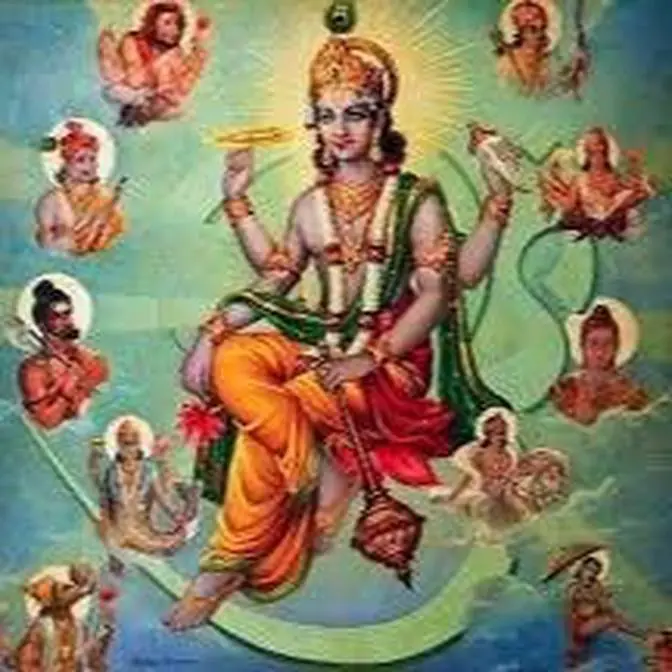
The Davis, a group of mythological figures primarily found in West Asian traditions,
have a complex and intriguing presence in ancient religious and mythological contexts.
Their influence extends into Egyptian mythology through cultural interactions and religious
syncretism, reflecting a rich tapestry of ancient beliefs and the interplay between
different mythological systems. In West Asian mythology, particularly within the context of
ancient Zoroastrianism, the Davis, or Divs, are often depicted as malevolent spirits or deities
opposing the forces of good. Originating from the Indo-Iranian tradition, these beings are
characterized by their opposition to the divine order established by Ahura Mazda, the supreme
god in Zoroastrianism. The Davis are associated with chaos, deception, and disorder, standing in
contrast to the benevolent Ahuras and the divine principles of truth and righteousness.
The Davis are mentioned in the Avesta, the primary religious texts of Zoroastrianism,
where they are portrayed as embodiments of falsehood and evil. Their role in these texts
reflects the dualistic nature of Zoroastrian cosmology, where the struggle between good
and evil is central to the cosmic order. The Davis' opposition to the divine order
emphasizes the importance of maintaining truth and justice in the face of malevolent forces.
In Egyptian mythology, the Davis influence is more indirect but still significant.
During the Hellenistic period, and especially under the influence of Persian culture,
elements of West Asian mythology, including the concept of the Davis, began to merge with
Egyptian religious practices. This syncretism reflects the broader trend of cultural and
religious exchange that characterized the ancient Mediterranean and Near Eastern worlds.
The Egyptian pantheon, with its complex array of gods and spirits,
absorbed various mythological elements from neighboring cultures.
While the Davis themselves are not directly incorporated into Egyptian mythology,
their concept as malevolent beings resonates with the Egyptian understanding of chaos and disorder.
Egyptian deities such as Set, who embodies chaos and disruption, share thematic similarities with
the Davis, highlighting the common mythological motifs across these ancient cultures.
The interaction between West Asian and Egyptian mythologies demonstrates the fluid nature of
ancient religious beliefs and the ways in which mythological concepts were adapted and
reinterpreted across different cultures. The Davis presence in West Asian traditions
and their indirect influence on Egyptian mythology was for the interconnectedness
of ancient mythological systems and the exchange of religious ideas between neighboring civilizations.