
The Architects of Hatshepsut: Power, Architecture & Legacy
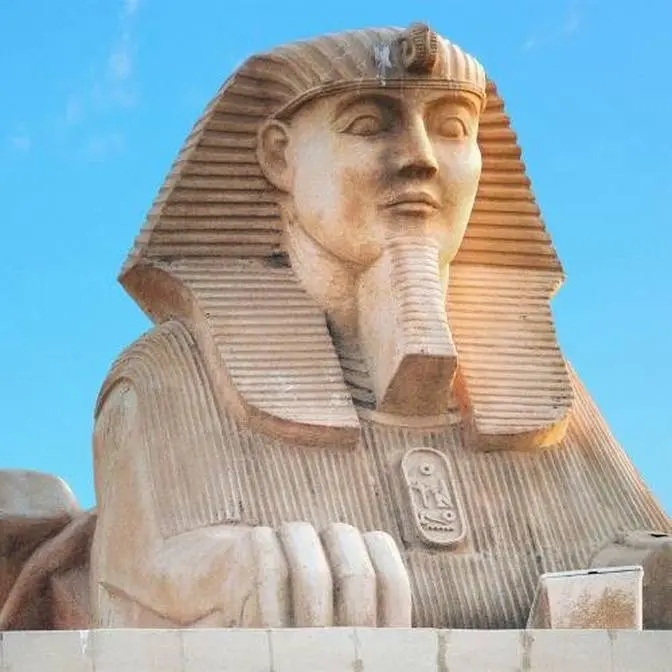
Ancient Egypt, a land of pharaohs, pyramids and power.
But no pharaoh's story is as unique as Hatshepsut's.
She was a woman in a man's world, a queen who dared to become king.
Hatshepsut ruled Egypt for over 20 years, marked by peace and prosperity.
Her path to power was unconventional.
Daughter of Thutmose I, she became great royal wife.
When Thutmose II died, she ruled as regent for Thutmose III.
Hatshepsut took on the full mantle of pharaoh.
She had a vision of peace and prosperity for Egypt.
Surrounded by brilliant advisors, she left an indelible mark on history.
One name stands out among Hatshepsut's advisors, Senemut.
He was more than just an architect.
He was Hatshepsut's most trusted confidant, her right hand.
Senemut was heard to say,
My queen, your vision for Egypt is truly inspiring.
I am honored to bring it to life.
Senemut's relationship with Hatshepsut remains a subject of debate among historians.
Some believe their bond went beyond the professional, perhaps even romantic.
What is undeniable is Senemut's impact.
He oversaw the construction of Hatshepsut's magnificent mortuary temple at Deir el-Bari,
a masterpiece of ancient architecture.
This temple, with its elegant colonnades and stunning reliefs,
stands today as a testament to Senemut's genius and Hatshepsut's vision.
Senemut's role extended beyond architecture.
He was Hatshepsut's tutor, her advisor on matters of state,
and her voice in foreign lands.
He oversaw trade expeditions, ensuring Egypt's prosperity.
He was in many ways the architect not just of Hatshepsut's legacy, but of her reign itself.
While Hatshepsut ruled, her stepson Thutmose III waited in the wings.
His was a complex position.
He was the rightful heir, yet he remained in Hatshepsut's shadow for much of his early life.
Thutmose III, in his words,
I observed her every move, her leadership, her diplomacy.
I learned from her, even as I waited.
Some historians believe Thutmose III harbored resentment towards Hatshepsut,
that he saw her reign as an injustice.
However, it's equally possible that Thutmose III learned valuable lessons during this time.
He observed Hatshepsut's leadership, her diplomacy,
and her skill in managing the affairs of state.
These lessons would serve him well when he eventually took the throne.
After Hatshepsut's death, Thutmose III finally became pharaoh in his own right.
He would go on to become one of Egypt's greatest warrior kings,
expanding the empire's borders through military campaigns.
But even as he forged his own legacy, the influence of Hatshepsut's reign,
and the lessons he learned during those years, would continue to shape his rule.
Religion played a central role in ancient Egyptian life,
and the priests of Amun, the king of the gods, held immense power.
Hapuseneb, the high priest of Amun during Hatshepsut's reign,
was a key figure in legitimizing her rule.
As Hapuseneb himself said,
the gods have spoken.
Hatshepsut is the chosen one, divinely appointed to lead us.
Hatshepsut understood the importance of religious authority.
She needed the support of the priesthood to secure her position as pharaoh.
Hapuseneb, whether through genuine belief or political expediency, provided that support.
He oversaw the religious ceremonies that affirmed Hatshepsut's right to rule,
solidifying her image as a divinely appointed pharaoh.
Hapuseneb's influence extended beyond the temple walls.
He controlled vast temple estates,
making him one of the wealthiest and most powerful men in Egypt.
His support was crucial for Hatshepsut in maintaining order and stability throughout the kingdom.
Hatshepsut's reign was a time of ambitious building projects.
Temples, obelisks, and monuments rose across the land,
showcasing the wealth and power of the 18th dynasty.
Overseeing these projects was Ineni, the overseer of all the king's works.
I was a master builder, an architect, and an engineer.
His role went beyond simply following orders.
He was responsible for solving logistical challenges,
managing resources, and ensuring the projects were completed on time and within budget.
The success of Hatshepsut's building projects is a testament to Ineni's skill and dedication.
These monuments still standing today
serve as enduring symbols of Hatshepsut's reign and the men who helped make it possible.
While the men around Hatshepsut wielded considerable power,
women also played important roles in ancient Egyptian society.
Neferure, Hatshepsut's daughter, was a princess of great influence and importance.
Neferure held the prestigious title of God's Wife of Amun,
a position that granted her significant religious and political authority.
She participated in important ceremonies alongside her mother,
reinforcing Hatshepsut's image as a powerful and legitimate ruler.
Beyond her religious duties, Neferure likely played a role in court life,
advising her mother, and influencing royal decisions.
Her presence as a confident and capable princess further solidified Hatshepsut's position
and demonstrated the strength of female leadership.
Hatshepsut's mortuary temple at Deir el-Bahri was not only a masterpiece of architecture,
but also a sacred space dedicated to the pharaoh's cult.
Protecting this temple and ensuring the smooth running of its daily rituals
fell to the temple's high priests, Usaromen and Amenemhat.
Usaromen and Amenemhat oversaw the temple's priests and staff,
managed its finances,
and conducted the daily offerings and ceremonies that honored Hatshepsut's memory.
They were responsible for maintaining the temple's sanctity
and ensuring its continued operation long after Hatshepsut's death.
Their role was crucial in preserving Hatshepsut's legacy.
By maintaining her cult and preserving her temple,
Usaromen and Amenemhat ensured that Hatshepsut would be remembered
as a great and powerful pharaoh for generations to come.
Hatshepsut's reign was largely peaceful,
but maintaining the security of the Egyptian empire required a strong military.
I served as a symbol of Hatshepsut's military might,
holding the title of chief of the Medjay,
commanding an elite police force responsible for security within Egypt and on its borders.
He was a seasoned soldier,
likely having served under Hatshepsut's father and half-brother.
His loyalty and experience made him a valuable asset to Hatshepsut's regime.
While Hatshepsut focused on diplomacy and trade,
I ensured that Egypt's borders remained secure.
His presence as a loyal and capable military leader provided stability
and allowed Hatshepsut to pursue her ambitious domestic agenda without fear of external threats.
Building an empire architecture and expansion
Hatshepsut's reign was a time of unprecedented building activity.
She commissioned monumental temples, obelisks and statues,
transforming the landscape of Egypt and leaving an indelible mark on its architectural heritage.
These projects served multiple purposes.
Firstly, they showcased the wealth and power of Hatshepsut's reign.
The sheer scale of the projects, the quality of the materials used,
and the skill of the craftsmanship demonstrated
Egypt's prosperity and the pharaoh's divine right to rule.
Secondly, these buildings served important religious functions,
honoring the gods and ensuring Hatshepsut's place in the afterlife.
Finally, Hatshepsut's building projects provided employment opportunities for thousands of Egyptians,
stimulating the economy and fostering a sense of national pride.
From the grand colonnades of Deir el-Bari to the towering obelisks at Karnak,
Hatshepsut's architectural achievements stand
as testaments to her ambition and the skill of her builders.
Diplomacy and Trade, Securing Egypt's Borders
While Hatshepsut's predecessors had expanded the empire through military conquest,
she chose a different path, diplomacy and trade.
Hatshepsut understood that a strong economy and peaceful relations with
neighboring kingdoms were essential for Egypt's long-term stability.
She dispatched trade expeditions to distant lands, including the land of Punt,
bringing back exotic goods, raw materials, and diplomatic alliances.
These expeditions not only enriched Egypt's coffers but also established
trade networks that would benefit the kingdom for centuries to come.
Hatshepsut's diplomatic efforts extended to maintaining peaceful relations with Egypt's
neighbors. She understood that avoiding costly wars allowed her to focus on domestic affairs
and strengthen the kingdom from within. Her reign, characterized by peace and
prosperity, stands in stark contrast to the militaristic reigns of some of her predecessors.
The Legacy of Hatshepsut, A Golden Age Remembered
Hatshepsut's reign was a pivotal period in ancient Egyptian history.
She broke down barriers, defied expectations, and ruled as a powerful and effective pharaoh.
Her reign was marked by peace, prosperity, and a flourishing of art and architecture.
The men who surrounded her, from the brilliant architect Sainamut to the loyal general Amose
Penekbet, played vital roles in her success. They were her advisors, her confidants, and the
executors of her vision for Egypt. Their combined talents and unwavering support allowed Hatshepsut
to achieve what no woman had before, to rule Egypt as pharaoh.
Hatshepsut's legacy is complex and multifaceted. Her reign was an anomaly in a society dominated
by men, yet she proved that women were capable of ruling effectively and leaving a lasting impact
on history. Her monuments stand today as testaments to her ambition, her vision,
and the men who helped her achieve greatness. Let's continue to unravel the mysteries of the
past and celebrate the incredible individuals who built Egypt's enduring legacy. Thank you for
watching.