
the Secrets of AncientEgyptian Tombs | Tomb of ancient Egypt
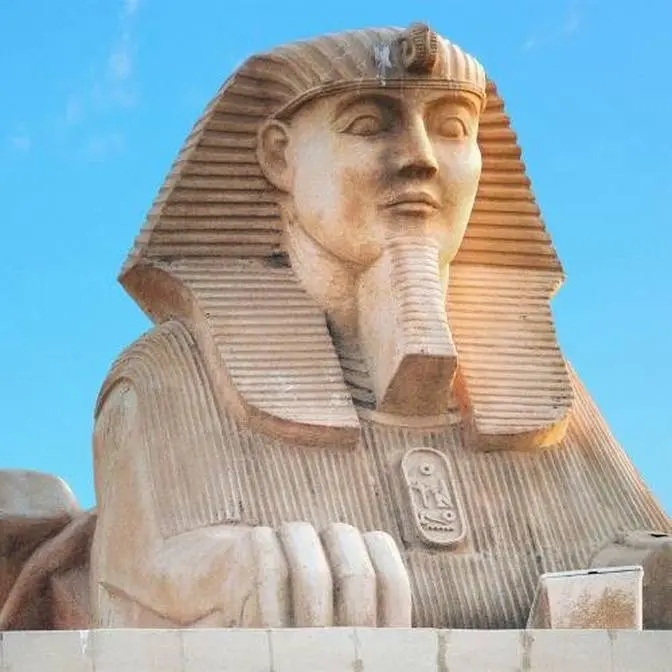
What if I told you that the tombs of ancient Egypt offer a window into the past, revealing
the intricacies of a civilization that has long ceased to exist?
A civilization that, despite its disappearance, continues to captivate and intrigue us with
its grandeur, complexity, and ingenuity.
In the beginning, the humble tombs of pre-Dynastic Egypt were simple affairs.
The poorest were buried in shallow, sand-dug graves, their bodies wrapped in linen and
curled into a fetal position.
These graves, often accompanied by modest grave goods, were a stark contrast to the
grandeur that was to come.
As we move into the era of the Old Kingdom, spanning from the 3rd to the 6th Dynasty,
we encounter a shift in burial practices.
The tombs of Lower Egypt, located at the downstream end of Awadhi, were lined with mud bricks
that surrounded wooden and reed structures.
These tombs were often communal, speculated to house family members or members of the
royal court.
In contrast, the tombs of Upper Egypt, situated at the upstream end of the Wadi, were cut
directly into the bedrock.
Despite their lack of decoration, these stone-cut tombs were indicative of a higher societal
status.
In the necropolis, these tombs were often accompanied by animal burials, including mummified
creatures that likely held civic and ceremonial significance.
As we progress further, we encounter the mastabas, rectangular, stone-built structures that
covered deep shafts leading to the burial chamber.
These tombs, primarily reserved for nobles and courtiers, often featured additional shafts
leading to other chambers for family members or valuables.
A serdab, or small chamber housing a statue resembling the deceased, was a common feature
within these tombs.
Outside of the royal cemeteries of Giza, Saqqara, and Abusiri, some nobility chose to be buried
in stone-cut tombs carved into the cliffs facing the Nile.
These tombs, with their large rooms, further exemplified the grandeur and complexity of
ancient Egyptian burial practices.
In summary, the tombs of ancient Egypt, from the humble sand-dug graves of the pre-dynastic
era to the grand stone-cut tombs of the Old Kingdom, offer a fascinating insight into
the societal structure, beliefs, and practices of this ancient civilization.
They remind us that even in death, the ancient Egyptians pursued a level of grandeur, complexity,
and ingenuity that continues to captivate us today.