
Fine White Wine: Sauvignon Blanc-Sémillon | Wine Folly
Jul 4, 2024 #Whitewine
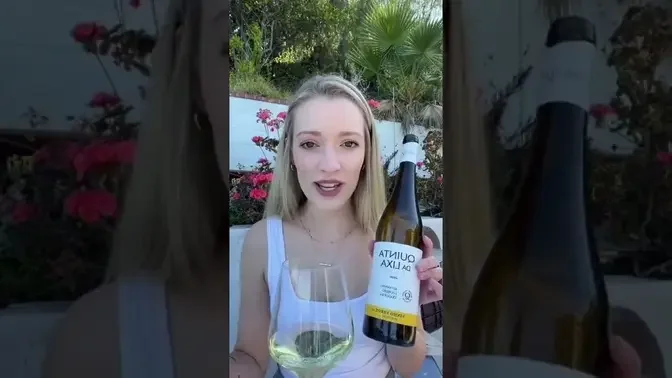
Hey what's up, it's Madeline Paquette. This is Wine Folly and today I have a pretty awesome
wine comparison for us to dive into. These two bottles of wine come from two regions that are
famous for red wines, but as you can see here these are not red wines, they are white wines.
And in fact I think they're actually pretty serious white wines that don't get a lot of
attention because they grow in the same place and compete with grapes like Cabernet Sauvignon
and Merlot. So let's dive into Sauvignon Blanc and Sémillon.
Now the real inspiration place for the Sauvignon Blanc and Sémillon blend has got to be Bordeaux.
This region in southwest France is most famous for Cabernet Sauvignon and Merlot and blends
made with those red grapes, but you'll still find a few plantings, less than 10% actually,
of the entire region dedicated to white wine varieties. And one region that is particularly
exceptional at producing these white wine varieties is a region that is unlike the rest
in that area and it's called Sauternes. Sauternes is an area south of Bordeaux that is along the
river and it's this slick sloping area that goes along the river. And what happens is
around the time of harvest, this fog comes in. It absolutely wrecks the grapes with this mold
called Botrytis cinerea, aka gray mold. You might know this mold affecting your strawberries in the
fridge if you don't eat them fast enough, but on grape varieties it actually does a magical thing.
When the grape gets attacked by the mold, it causes the grape to shrivel up and produce a
very small amount of liquid, which then when you ferment it, it actually kills off all the
bacteria because it's alcohol and you get this amazingly delicious, rich, sweet wine. So lo and
behold, this region, Sauternes, which might have not been great for making wine, ends up being one
of the most famous white wine regions in the world today. But conditions aren't always perfect for
making the sweet wine. We don't always get the gray mold coming in. And sure enough, this producer
right here actually produces a dry white wine with the same grapes that might go into its sweet wines.
And that's exactly what I have here. Now, across the world, on actually the same latitude line,
you'll find this bottle of wine. This producer, DeLille Cellars in Washington State.
And if you don't know Washington, what we might imagine in our head is like something where it's
raining and there's lots of beautiful green, evergreen trees. Yes, it's like that on the
western half of the state, but on the eastern half of the state where this wine comes from,
it's very, very dry. Now, both regions are famous for Cabernet Sauvignon and Merlot and blends,
but a few producers are staunch in making these white wines and produce them oftentimes fermenting
in oak, which adds a layer of richness. And this richness is what I'm going for when I'm talking
serious white wines. So there's your premise. Let's dive into these two wines and compare them.
I really am excited to see the difference between old world, the origin place Bordeaux,
and the new world, Washington State. All right, wine number one, this is going to be the Chateau
Doizy Dania, and it is a hundred percent Sauvignon Blanc. Let's take a look at that color.
I would say this is a medium yellow. It looks like it's heading towards that platinum sort of
straw color. Legs wise, eh, about average. Let's give it a sniff. Whoa. All right. On the nose,
I get a lot more layers of flavors and immediately right off the top, I smell this sort of
fennel blossom, citrus peel, like a lime citrus peel, notably sort of a waxiness, almost like
beeswax. And then underneath that, more of these green sort of tarragon like notes. And then I
can't help but notice the sort of like encompassing flavor of mushroom. And this is a funny thing.
When I'm tasting white wines, especially from France, this process of winemaking where they
call it reductive winemaking, you'll hear people say, oh, it's very reductive. What does that
actually mean? Well, reductive is a process where we reduce the amount of oxygen being in the
winemaking process. So when the wine goes into the bottle, it is got a whole bunch of compounds,
including sulfur. It's naturally occurring in grapes and goes into the blend. And they are
looking for oxygen molecules to sort of create these compounds as it evolves and changes in the
bottle. But since there aren't any oxygen molecules available, it grabs a sulfur molecule instead.
So when you open up this wine and you give it a whiff right away, you might get a mushroomy aroma.
This smell of mushroom that I'm getting on this wine will probably actually burn off or will
become less detectable with a little bit more time open in the glass. But that is definitely
noticeable in this wine. It's almost like matchstick. Not quite, but almost. Let's give
it a taste. On the palate, start of the flavor, really very much so in that honeycomb realm,
right on the tip of my palate. Then it expands into the mid palate where I get this sort of
waxy layer. But we're getting more of this sort of limey note on the mid palate. So wax and lime,
mid palate. And on the finish, I feel a little bit of that reduction smell coming back
out of my mouth. If I do retronasal, where you breathe in through your mouth
and out through your nose, where it's a little bit hay-like. And that might be because I want
to let it air out a little bit more or it might actually stick around that way. We'll see. Very
interesting. Totally yummy. Maybe not super high acid, not super explosive, but still quite good.
All right. Now we all want to know, what about the American wine? So let's give the other one a taste.
Now this one, the Bordeaux was 100% Sauvignon Blanc. This one happens to be only 69% Sauvignon
Blanc with a little bit of the rest of it being semi-on. So color-wise, very similar to the last
wine, but maybe more in that platinum slash hay category. I would make this say medium straw.
On the nose, what blows me away immediately about these wines is how similar they smell,
despite the fact that they're from a world away. On the nose, definitely fennel blossom,
like shockingly similar to the other wine. Maybe even a little bit more lifted floral,
more of that almost like a citrus blossom. Then I get some notes in the sort of ripe yellow peach
rum and a little bit of citrus, like limes. Let's give it a taste. Whoa. Again, front of the palate,
a lot of sort of beeswax notes with a little bit of a tingle of lime. Mid palate, really rich mid
palate. Grows in your mouth, almost in the mango peach category. And then on the finish, in the
back of my palate, I feel this sort of tarragon flavor like coming out of my palate with just the
slightest amount of hay, similar to the last wine. So a little bit of like straw finish on both of
these wines. For me, this is actually really surprising because I was actually expecting
these wines to be a world apart and for the Bordeaux to have a lot more minerality coming
through on the palate and for the American wine, the Washington State wine, to be a lot less acidic
and sweeter and fruitier. And yes, it is a bit fruitier. I did note more peach and that kind of
a thing, but it's shockingly similar. And I would say the acidity in the Washington wine is maybe
even a little bit higher than the acidity in the Bordeaux wine, at least in this particular instance.
So we have two wines, both alike in dignity from two very different places in the world, Bordeaux,
Washington State, and yet a shockingly similar style comes through on the palate in these wines.
And it's really, really delicious. I think for someone who loves a richer style white wine, like
a Chardonnay, an Oakage Chardonnay, that kind of a thing, Semillon and Semillon Blanc should be on
your radar, especially if you like to eat things like seafood or crab or that kind of a thing.
These would be wonderful wines paired with something like that. And I am just generally
excited about wines and grape varieties that are lesser known in their region. So Semillon Blanc
and Semillon being the underdogs of regions known for red wine. So it's something to check out and
to explore when you are digging. All right, tell me what you want me to taste next. And maybe tell
me about a tasting experience you had. That was awesome. And until next time, happy tasting. Peace out.