
DOG TRAINING MISTAKES IN THE TEENAGE PHASE
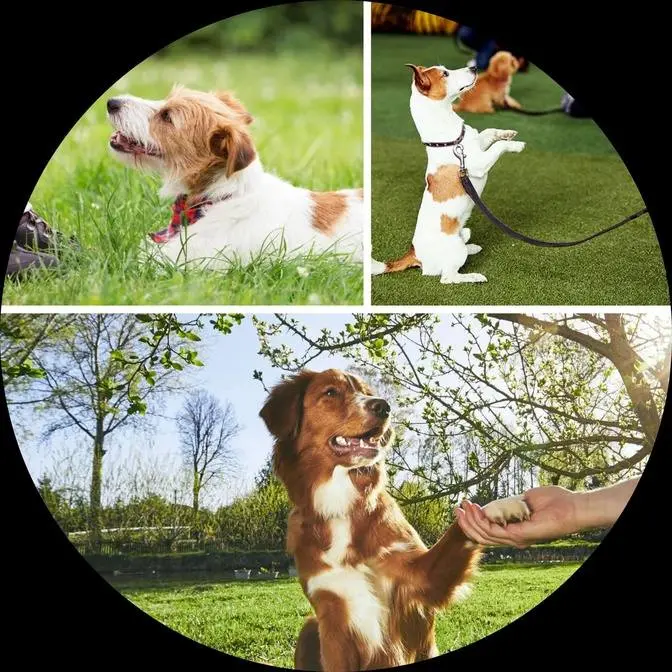
As a canine behaviorist, I see dogs with problem behaviors all the time,
but that also means I see where owners make mistakes all of the time.
And one of the biggest places where people make mistakes
that create dogs that are a nightmare to live with,
that are suffering from minor behavior problems
through to severe behavior problems, is in the teenage stage with their dog.
When things are going to go bad, they often go very bad in the teenage phase.
And if you're not prepared to overcome these hurdles,
you will fall victim to that yourself as well.
So let's look at what the biggest mistakes that owners make in the teenage
phase are with their dogs so that you don't do the same thing yourself.
The first one is thinking that training is done
when you've finished your puppy classes.
The reality is, is that you are training your dog 24-7.
If you get a dog, bring it into your home and things that go into a puppy
training class on a Saturday morning, once a week for six weeks
is going to have your dog trained.
You are going to be sadly mistaken
and you are going to have a dog with a plethora of behavior problems.
You are training your dog 24-7 from the second you bring it home
right through to its last second with you.
And you need to embrace that and accept that.
So many people train their dog as a puppy.
Things go very well.
Then they stop training them.
The teenage phase kicks in and everything goes off a cliff
and they're pulling their hair out, wondering what went wrong.
Which takes us into the next mistake,
which is about giving your dog too much freedom too soon.
Again, when it comes to training puppies, the reality is,
is that a lot of it is quite easy.
Doing basics of obedience with a puppy, sit, down, heel, recall
is not rocket science and it can go very quickly.
And people start with excellent rules and boundaries and expectations.
And as their dogs progress and they've had it for a couple of weeks,
maybe a month or two, and things are going brilliantly,
they start to ease off on those rules and boundaries
and they start to give their dog too much freedom.
And again, when that teenage phase kicks in,
it's much, much more difficult to bring those boundaries back in
than keeping those boundaries tight,
getting through the teenage phase successfully
and then starting to ease up on those boundaries.
So, yes, even if your puppy training is going brilliantly
and you think that you might be able to give your dog time out of its crate,
you think that you might be able to leave your dog alone
and it not be in its pen or its crate.
I would highly advise that you don't do any of those things
until after the 18 month to two year mark,
when you can start to be sure that your dog is in its adult phase.
It's come out of the teenage phase.
You've worked through some of those hurdles.
Your rules, boundaries and expectations are rock solidly ingrained into your dog.
And then and only then start easing off on those boundaries
and giving them a little bit more freedom at a time.
And if that goes well, a little bit more.
If that goes well, a little bit more.
If that goes badly, you only have to come in a little bit
rather than giving them loads of freedom
and then thinking you have to come all the way back here
and be surprised when that's incredibly difficult.
The next mistake is not taking into consideration
how serious of an impact your dog and going through that teenage phase
or going through puberty or all of those hormones
are flooding your dog's body are going to have on them,
their character, their temperament and their behavior.
They are going to go through huge changes and who your puppy is now
as a puppy is going to be very different when they go through the teenage phase
and become an adult dog.
Every single one of my dogs now as adults are way different
than they were as puppies.
Many of the guard dog breeds I work with and I have two Mastiff breeds myself
as puppies are playful, want to engage with strangers,
love a fuss, love a cuddle, go through the teenage phase
and suddenly become much more wary of strangers, much more protective.
I don't want to interact with strangers whatsoever.
And again, people make huge mistakes of thinking that their guard dog
is this loving, gentle dog.
Don't take those things into consideration.
Push their dog into a situation they're uncomfortable with as an adult
or as they're going through that teenage phase and they're surprised
when their dog bites somebody or when their dog bites another dog
or they end up in a fight that's never happened before.
Your dog is going to be a very different dog than it is as a puppy.
And you have to embrace that, accept that and roll with that.
And the next biggest mistake is people forgetting the basics.
Again, a lot of people forget that their dogs need to be doing drills
like my sit, stay, break drill, need to be going on daily pack migrations
with their dog, looking up to them as their loving leader
on a nice loose lead by their side, making sure that they're having
good decompression time in their crate.
The basics that people focus on as a puppy,
they let their foot off the gas, they give their dog too much freedom.
They don't take hormones into account and they stop working on the basics,
maybe replace it because they've got interested in the advanced training
or the sporting realms.
But because they've let the foot off the gas with the basics,
they're not putting that work in on the basics every single day.
Again, they're surprised when behaviors start to slip.
I would much, much, much rather all of my clients and the people I work with
choose four or five pieces of obedience from day one and never do anymore
and get them mastered and stick with them throughout the entirety
of their dog's life than they want to get to 20, 30, 40 pieces of advanced obedience,
purely because of how many times I've seen that result in a terribly behaved dog
because they have too many things that they're not brilliant at
that makes the dog confused and anxious, rather than dogs
that just stick to the basics, have the basics nailed, know what's expected of them.
It can be asked of them in any situation and their owners are happy
with the dog that they have.