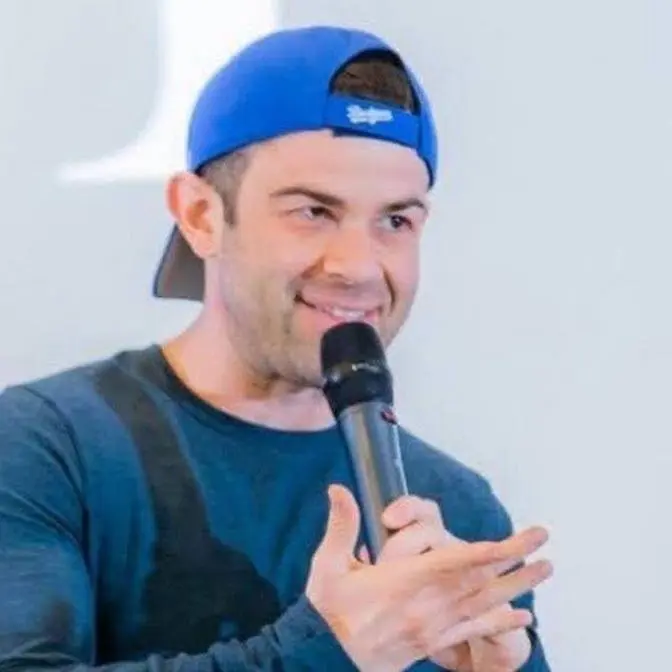
30 Video Views·May 14, 2024
Patrick J. Kennedy is a former US Congressman and one of the nation’s leading voices on mental illness and addiction policy, and the New York Times bestselling coauthor of A Common Struggle. During his sixteen years in Congress, he fought to end discrimination against mental health care, highlighted by lead sponsorship of the landmark Mental Health Parity and Addiction Equity Act. Patrick is the son of former Senator Ted Kennedy and the nephew of former president, John F Kennedy.
Today on the show we discuss: why it’s not surprising to Patrick that so many people are suffering from mental health issues, why kids specifically are having such a hard time in todays society, what you personally can do to prevent mental health issues, the changes our healthcare needs to make to help with prevention and reduce the risk of mental health problems, what parents can do to help their kids reduce their risk of addiction and severe mental health issues, what Patrick thinks about the current drug epidemic we are facing, his overall thoughts on how we can fix everything and much more.
⚠ WELLNESS DISCLAIMER ⚠
Please be advised; the topics related to health and mental health in my content are for informational, discussion, and entertainment purposes only. The content is not intended to be a substitute for professional advice, diagnosis, or treatment. Always seek the advice of your health or mental health professional or other qualified health provider with any questions you may have regarding your current condition. Never disregard professional advice or delay in seeking it because of something you have heard from your favorite creator, on social media, or shared within content you’ve consumed.
If you are in crisis or you think you may have an emergency, call your doctor or 911 immediately.
If you do not have a health professional who is able to assist you, use these resources to find help:
Emergency Medical Services—911
If the situation is potentially life-threatening, get immediate emergency assistance by calling 911, available 24 hours a day.
National Suicide Prevention Lifeline, 1-800-273-TALK (8255) or https://suicidepreventionlifeline.org.
SAMHSA addiction and mental health treatment Referral Helpline, 1-877-SAMHSA7 (1-877-726-4727) and https://www.samhsa.gov
Patrick welcome to the podcast thank you
Doug good to be with you why are so many
people struggling with their mental
health right now despite like a lot of
the advances that we've had you know
over the last decade or so I say in my
new book profiles and mental health
courage that the thing I'm most shocked
about is that everybody is shocked that
this is so bad this has been bad for a
long time and it seems as though
obviously when Co happened there was
greater appreciation and understanding
about how widespread this challenge was
I think people all kind of were able to
identify their own challenges and then
not look at those who had addiction and
mental illness as something other than
themselves and that kind of really
Advanced our um ability to look at this
as a common struggle not as you know
something that was unique to individuals
who just couldn't muster The Willpower
to to get over it so I think obviously
with the younger generation it's clear
that I think social media has
contributed a great deal to the
difficulty they have with resilience now
of course today in this world that we
live in it's very toxic uh it's very
stressful for for everybody of every age
group and certainly covid with the
isolation taught us a lot about the fact
that these illnesses Thrive
really when people are isolated as they
you know as they say in recovery you
know being in your own mind uh it's like
being in a dark room developing
negatives you know you you have this
predisposition to kind of think negative
when everything around us is telling us
negative stories so I just think that
you know we are in a challenging time
and as much as we say oh wow you know
we've brought broken down stigma it's
not the same you know shameful illness
that it used to be the fact is as I you
know indicate in my book that people are
still very reticent to share much if
anything today they say they have a
diagnosis but that's about where it ends
people really don't dig any deeper which
means a lot of people don't understand
that their own challenges are not so
unique As We Know
you know ourselves being in recovery the
best thing about being you know in
recovery is the fact that we realize
we're not alone we hear other people's
stories and we know that those stories
show us that the complexity of these
illnesses really isn't that unique to us
and other people have those same
challenges that we have the real um
problem we have today is we have no
prevention system so we don't have you
know educate kids on how to self-
modulate you know the things that we
learn in recovery we learn to identify
our counterproductive thinking patterns
we learn tools on how to uh intervene
you know that that famous uh saying in
recovery we have to push the pause
button you know before we say something
and react to something that makes it
worse like simple tools like that we
ought to be teaching our kids coping
that
mechanisms uh problem solving skills
because as we've learned today those
skills are the
differentiating factor in a in a
person's success in this world because
everybody as I said has stress we need
to protect people wherever possible
through building this uh agency as they
say ability to manage your own uh
challenges and of course through my I'll
end with this my my parody work um
holding insurance companies accountable
to the parody law reveals to me over and
over again that we still have not ended
up paying for these illnesses like we
would any other set of illnesses and
that frankly is what's keeping us in the
dark in terms of our ability to really
meet the challenges today head on with
the system that provides timely access
to care you covered so much and I think
the the thing that unpack pack first I
think is this idea of loneliness you
mentioned during the pandemic that
people were more isolated which
exacerbates mental illness as we know
and you also said that normally people
will say they have something like
depression or anxiety and it just stops
there they don't get to the underlying
stuff of what's going on do you think
the root of that giv given what you just
said is the fact that people are just
feeling disconnected from themselves
they are feeling more isolated as a
whole given you know how social media
has forced us to disconnect from our
sense of self and that we're not
gathering in community like we used to
there's not as many kids playing outside
there's not a lot of activities like
there used to be do you think that's at
the um the root of all this well I think
it's clearly a major major factor in
this I mean I feel so grateful that I
didn't grow up with a cell phone in my
hand with social media around me I I
really worry for my kids uh we our
15-year-old we moved her from the
iPhone to a one that just has talk and
text I mean these phones are addictive
social media is addictive and then of
course we have all kinds of um new uh
addiction for-profit industries that are
really capitalizing on that social
isolation you know you see the
commercialization of marijuana now I
don't want to lock people up for for
having a drug addiction I've been
spending my life trying to get more
access to treatment and frankly to
reforming the criminal justice system so
we have mental health courts drug courts
and the like but uh we don't want to
create a new big tobacco where an
industry has no conscience at all other
than to make profits and they're G to
make profits however they can if it
means you know expanding the number of
people who use their product which of
course is what capitalism is all about
then that means you put more people at
risk for becoming addicted I'm not
saying everybody is going to become
addicted but obviously you increase the
net number of people using you're going
to increase the net number of people who
have addiction at a time when we're
uncapable of really addressing this with
the support and services and people that
we need to treat these illnesses so but
I go back to your point I think that
social media really does cut down on our
ability to be social to understand real
connection um there's a a psychiatrist
who wrote a book dopamine Nation yeah I
know Anna Anna she's been on here a few
times yeah she's F I just love that book
because I think it's true we're so used
to now looking for the dopamine hit and
as I've learned in recovery myself you
know I thought it was the fact I was
taking oxycoton adero or benzo aspin
drinking all all that you know I'm sober
from drugs and alcohol but I will tell
you my challenge today is not looking
for Behavioral fixes for my anxiety and
depression I think a lot of people self
soothe through you know scrolling doing
social media I know I have to be
intentional about putting my phone down
especially with my kids around because I
want them to know I'm looking at them
I'm not looking at my phone it seems to
me though that there's way more people
today struggling with mental health than
there was like when I grew up and if you
talk to like my parents or you talk to
people in their 50s and 60s they
acknowledge that people were quote
unquote like mentally unhealthy but they
would also say it just seems like
everybody now has something that would
be like the push back from people in
that generation do you think back then
people still I mean I know you said this
isn't anything new but you think back
then people just still had the same we
had the same number of issues people
were just afraid talk about it or do you
think this the rise in technology and
social media and forcing people to be
isolated from from oneself has really
poured gasoline on this existing fire um
no I I think that we've always had these
challenges as I said at the outset you
know I obviously took the title of my
book profiles and mental health courage
um off my uncle President Kennedy's
profiles and courage and when I looked
at the Senators that he featured in his
profiles and courage it was really
shocking to me how many of them had
addiction and mental illness in their
families I mean you know Lucius lar it
was in his diary you know his recalls
how his father came into the house wrote
A Goodbye note walked out in front of
their house and took a pistol to his
head and and killed himself John qu C
Adams had numerous family members uh die
of alcoholism and uh one who died of
suicide Sam Houston um had was referred
to as the big drunk Daniel Webster died
of therosis of the liver I mean my point
is back then and president Kenedy didn't
mention I mean it's just amazing we just
were unconscious of not talking about
the
and so the good news today as we are
more conscious about making sure we talk
about it the problem is um we have so
much catching up to do to change the
medical system so that it treats these
illnesses in the same way it treats you
diabetes and cardiovascular disease and
and other chronic illnesses because we
do know evidence-based treatments
frankly cognitive behavioral therapy
as applied to different diagnosis
there's different types of C behavioral
therapy um Works can get people better
we know medications we know a number of
things including the social drivers of
Health that help really stabilize people
these things are known but we don't get
people access to them because our system
doesn't pay for them and uh we just have
not built the infrastructure to meet the
enormous need that our country has now
so would you say you'd be proposing like
that everybody should have universal
access to like mental health care
because I know that insurance does cover
like therapy and stuff now to a certain
extent right right but as you know in in
recovery it's a bioc psychosocial
illness you know physical allergy a
mental Obsession and a spiritual malady
we know that you need all three legs of
the stool for it to stand up and so it's
not enough to just give medication ass
assisted treatment without having
therapy it's not enough just to do the
medical and you know even the mental
health and not have a stable home you
know purpose a you know a job that you
you're supported in your employment
there there are many things that we need
to really address and in in the in
cancer and all these other illnesses we
have a personalized approach which means
we have some radiation therapy some
chemotherapy you know some surgery we we
really incorporate a whole Litany of
different tools we don't do that in
mental health it's kind of one siiz fits
all and you know that has to change if
we're going to get people better now
what ends up happening is that this is a
self-fulfilling prophecy we don't think
mental health really works we don't
think people get better from addiction
but the problem is we wait until it's a
stage four illness before we even treat
it so if you waited till cancer became
stage four you know more people would be
dying of cancer than die today but in
addiction and mental illness it's always
stage four disease you're always in a
crisis before you get help the key to
other illnesses
diabetes um cancer and the like is you
need to screen early and when you screen
early and you ask about family history
of these illnesses which doctors are
just starting to do now and frankly
probably in a very fragmented and spotty
way you know they ask me has anyone in
your family died of stroke have had a
heart attack has had cancer we answer
those regularly everyone knows to expect
those because it's a way of us ensuring
we get better treatment so that needs to
happen in these illnesses we need to
take a much more proactive approach we
really take a reactive sick care
approach and there's no wonder people
don't think mental health gets better
with treatment because what treatment
would work if it's the very final stage
of the disease when the disease is
really
formulated it's wiring in your brain
such that it's harder to break these
patterns of thinking when they've become
so ingrained if you intervene earlier
you begin to have the brain is more
malleable you can develop new circuitry
you're not fixed in the way you think uh
those are things that we just have to
acknowledge if we're going to set up a
new system and of course prevention is
not paid for
generally in this country but
specifically in mental health so what
would prevention look like are you
proposing that the the primary care
doctor would do some sort of evaluation
on people at a certain age what does
that look like so first I would say that
education is not education if it's not
training people how to cope how to do
problem solving the things that we learn
in recovery we need to uh uh to prepare
and arm our kids with early teaching
them about their brain you know they
learn about all the other organs of
their body two when they do see a
physician yes they need to be screened
and we ought to have screening kind of
ubiquitous throughout the system uh
obviously a lot of kids who have adverse
childhood experiences need to be
screened you know we know there's a
major correlation between the number of
risk factors growing up in a home where
there's domestic violence growing up in
a home where one of the parents suffers
from addiction themselves growing up in
a home where there's you know poverty
you know and and you could go on and and
that corresponds to the risk factor that
kids have now if they're predis exposed
because there's a family history of
mental illness or addiction you can bet
those environmental factors are going to
kick that off and the the better you are
at identifying that earlier the better
off you're going to be and keeping
people from going down uh that road so
uh yes so I've started something called
the Kennedy form President Kennedy was
the one who signed the original
Community Mental Health act and and you
know when I looked at other illnesses
HIV a for example their Mantra was we
ought to have 90% of of people be
screened 90% of the people get
evidence-based interventions and 90% of
the people supported in
recovery we need the exact same thing
and should make that our goal in mental
health and addiction we need 90% screen
you would not be satisfied you broken a
leg well we might think of x-raying it
we might think that would just be not
acceptable um evidence-based
interventions well maybe we'll put a
cast on it maybe we won't you know we we
that's the way we treat mental health
and then of course the you know rehab
physical rehab you requires you to get
stronger and build um your muscles back
that's what we need in addiction and
mental health so we need a
9990 approach
and one of the things that's really been
missing from our efforts is we have no
movement done there is no political
movement and I mean this bipartisan just
there's no accountability politically
for politicians that they vote the right
way there's no you know agenda that says
this is the number of dollars we need to
address this
crisis uh and and as consumers and even
people who work in the field there is no
list serve so if you're everyone is a
member of NRA I mean they know how to
poll them and how to get them out to
vote if you're a member of a labor union
you know every brick layer in your
District every iron worker labor
Teamster you know Municipal Employee
they teacher they know and those unions
have a voice because they're organized
we do not have that voice we have great
organizations but we have not not mature
to the fact that we don't need to
reinvent the wheel here we need to
mobilize people who care about this
issue and give them something to hold
their political leaders accountable to
you know we've had like evidence-based
treatment for things like diabetes heart
disease etc for years and our health as
a nation has continued to get worse and
worse each year so I guess maybe my my
question is and I think everything you
said is is very valid and I ree what
would need to happen like before that to
make sure that this is isn't like a
Band-Aid approach where it's like if
somebody grows up in a in a a home where
there's chaos that they're they're no
matter what they're still going to have
mental health stuff like what would be
like the step prior that either parents
or families could do to help ensure that
their kids aren't growing up in a state
of mental health chaos well I
absolutely believe that a big portion of
our current uh crisis is driven by the
fact that we haven't properly addressed
alcoholism in our country I mean I I'm
an adult child of alcoholic I've learned
a lot about this illness I know about
the cyclical nature um the family
generational cycle of these illnesses
it's one of the reasons why we really
need to think of treating these
illnesses not just the individual but
treating the family because how are you
going to get better if the family
doesn't know the those skills to support
you in your recovery and frankly has
insight to their own part in you know
creating a world where your loved one is
suffering in part because of your
inability to understand your own
reactive kind of behavior so I think you
know I think Doug you're really getting
at the fact that we in our country in
this world really don't have insight
into our own kind of counterproductive
thinking patterns self-destructive
behaviors we really don't understand how
our amydala works you know the fear
response we really haven't developed our
prefrontal cortex to override those
fear-based
responses you know everybody if they had
this toolkit you would lower the volume
on the amount and severity of these
illnesses there's no doubt about it if
everybody worked on trying to
understand their own challenging
self-defeating
behaviors uh I think we could do so much
just for everybody in their sphere like
I'm still married today because I'm in
recovery right like it's not simply
about me uh not drinking and drugging I
want to have a life where I'm not
constantly getting it you know feeling
like my feelings are hurt feeling I'm
not getting what I want or I'm going to
lose what I have you know those are
those fears most people if they're not
in recovery don't know about this stuff
it's the miracle of why we're so
fortunate to be in recovery why you hear
people say um I'm a gratefully
recovering alcoholic I mean why would
someone be grateful to be an alcoholic
and a drug addict but the reality is you
have an entree to living a life that you
wouldn't otherwise have if you weren't
forced to get recovery by Dent of your
illness and I would say that the lessons
of recovery are are Universal to
everybody you don't have to have an
addiction to benefit from those toolkits
that we are given on how to understand
our thinking pattern so um and and I
know that as I said you know if your
parents aren't skilled in their own
self-awareness it's going to make it
difficult for your kids to learn those
skills because they don't see it modeled
and you know it's you know watch what I
do not what I say you know actions speak
louder than words and uh we need to show
people around us uh what recovery looks
like
unfortunately because we were not aware
previous generations the the cyclical
kind of dysfunction gets passed on to to
new generations
right and I think you know you what I
was getting at is that when people go to
the doctor and they're like they they
screen them for like high blood sugar
they screen them for diabetes they
screen them for high blood pressure and
they're like here just take a pill and
your stuff will go down but they're not
addressing the root they're not they're
not telling them you need to exercise
you need to lose weight you need to
change the way you eat so what does like
if what does that look like from a
mental health perspective is it learning
how to manage your emotions is it
learning about fear is it exercise is it
choosing better people to spend time
with like what's the foundation that
people need to build to help them
navigate their mental health like what
responsibilities does each individual
need to take to to manage their own
mental health effectively well you're
absolutely right in identifying diabetes
and even cardiovascular disease the way
we eat uh cancer the you know what we
expose our selves to and so forth so
much of our
behavior is setting up these chronic
illnesses and making them worse so
what's shocking to me is the people with
the money big payers federal government
and the like have not figured out if we
want to
reduce the costs of the 80% of the
public um 80% of the spend in in
Medicare and Medicaid it goes to less
than 20% of the people who are covered
by Medicare Medicaid and all of that is
high high cost patients who who've never
been screened or treated for um
depression
anxiety and so forth so there's no doubt
Behavior counts for a lot now to the
point with just generally speaking we
haven't got in our
culture the idea that you know choose
your heart you know we we avoid you know
stress we avoid pain pain it's you know
it's a natural human reaction but we
need to understand early in life that
you know it's painful to do what we have
to do to make a living to go out to be
part of a world it's even more painful
if you avoid that now we don't really
have a um a conversation about that like
I I try to tell my kids that every day
they're making decisions on what kind of
Life they're going to have in the future
by the decisions they make today I only
have that awareness right because as I
said I'm in recovery so um I I think we
just need more literacy Doug that's what
you're kind of nailing is that we have
we're very illiterate in this country
about frankly the most important thing
that could reduce the diabetes I mean if
you weren't uh eating the the sugar if
you could manage to not eat in order to
feel better like what a
revelation I totally want to finish the
P I don't want to stop at couple
spoonfuls you know we all wanna I don't
want to go work out you know I know I'm
gonna feel better tomorrow if I haven't
binged on this I know I'm gonna feel
better if I've worked out but we haven't
you know put ourselves in a position
where we know we have to do things that
necessar don't necessarily feel good in
order to avoid things that will really
not feel good down the line so you know
you're talking about just changing the
culture really that's a public health
issue frankly you're addressing this
from a public health our whole system is
about treating an illness as opposed to
educating preparing and promoting a
public health approach so you know
President Kennedy awarded the
presidential physical fitness that was
when it first came on the scene um and
there's something attractive about you
know achieving your best and we as
Americans love you know competing and
being our best so we have to also think
about that
mentally and there are mental skills
mental muscles that we can build up
we're not aware of that we just don't
appreciate we just just kind of assume
that we're going to know how to make
decisions and avoid you know the kinds
of things that are going to get us
physically sick that that's just no one
talks about that anywhere like this
you're talking about it now but I can
tell you no one asks these questions
there's no money to be made in telling
people to get healthy by exercising
right so I mean I mean yeah I think that
I I always say that Fitness I believe is
the most underutilized tool to help
people in recovery because of what it
does from a mental health and a physical
health standpoint obviously the other
stuff is important as well the other you
know I don't really talk Politics on
here but I think as a whole it seems
like generally speaking there's like two
extremes there's the side that's like
compassion and we need to help these
people out and it's not their fault so
let's take care of them then there's the
other side that's like pick yourself up
by the boot bootstraps full
accountability and responsibility and
obviously like personally I think it's
somewhere in the middle like you have to
take responsibility for your behavior
but you also have to have compassion for
people that are struggling I think
doesn't mean that you agree with what
they're doing but you have to have some
level of empathy and understanding like
what are your thoughts on all that being
that you're a former politician and that
you're seeing this now I mean we're in
the biggest political divide I think
I've ever seen um in my lifetime and I'm
sure maybe even in your lifetime as well
so you know in recovery we have a
responsibility not to drink and Drug
because we know
of the harm that it causes everyone
around us we know that we could end up
killing someone else if we continue to
drink and drug and get behind a wheel do
other things that pose a danger to
others and to
ourselves we have that moral we should
be held accountable and that is our
responsibility having the disease of
alcoholism and it just does not give us
the freedom to choose to go drink and
Drug when we know we're alcoholics and
when we are in a position where in
sobriety we have to work on keeping that
sobriety now if you're in the middle of
your disease I can guarantee you you
don't have insight to your disease
having taken you hostage basically it
just took you prisoner of war I mean you
are locked up in your own brain you
cannot see your way out of it and in
those cases we need to have you know the
Green Beret go in there kick down the
door and bring people out we don't have
that ability to have essentially
guardianship conservative ship really um
aggressive
interventions um I had to get
guardianship over my mother along with
my brother and sister she was gonna
absolutely kill someone else or kill
herself and um I we had to fight our way
through the courts to get you know
control over her all of her decision
making because she was in a totally
self-destructive spiral it it should not
be so difficult for family members to
save their loved ones there are ways I
think to have to avoid the abuses of the
past where people would just be you know
locked up with against their will we
have medical assessments we have
thirdparty assessments we can do all of
that but right now so many people are
languishing on the streets an active
addiction and mental illness they don't
know how to get help we think that it's
their responsibility we think it's you
know even the very left you know thinks
oh we can't intervene that's you know
violating their civil liberties but the
fact is those people are living on the
street are going to die with their civil
liberties as opposed to live and live to
another day where they can finally have
their agency back and be able to make
those decisions so I think we we can't
blame people who are active if we're not
out there trying to help them get uh out
of this uh
self-destructive spiral we we owe them
it's not compassionate to let them like
there's these proposals to have
consumption sites for addiction I mean
it's just
such a insult to this disease that says
oh well we can't do anym so we're just
going to let you you know basically
inject
yourself and oh we'll watch you to make
sure you don't die I mean that's a eight
hours of a day 12 hours what's going to
be the next 12 hours I mean it's not
going to save anybody maybe while
they're in the what consumption site
we're going to save their lives this
idea is selling people short leaving
them on the street by not getting uh
active intervention frankly against
their will because they don't even know
their disease is talking for them I I H
think that there's lots that we need to
correct um in terms of being responsible
ourselves to helping those around us who
suffer from these illnesses out of their
suffering I think the police that pulled
me over who arrested me save my life
right so there is something to be said
the criminal justice system say what you
will is the way a lot of my fellows get
into the rooms of recovery so we need to
make sure that it's you know when it's
non-punitive but we give people a very
clear choice U whether they want to get
help or you know whether they're going
to get incarcerated I think there's a
when the pain gets great enough we
change that's the narrative in recovery
and for me me I got the gift of
desperation I needed to get better was
my decision because I couldn't stand the
pain anymore
so that that doesn't address the
political polarization you mentioned but
uh it does address the
responsibility issue the polarization I
think is because we want um certainty in
this world where it's this messy
business of democracy where you have to
compromise with people that you don't
agree with is is no one likes to do uh
but you know I grew up my late Father
Ted Kennedy worked with John McCain Sam
Brownback Warren hatch Warren hatch when
he ran for office said my vote is Gonna
Cancel out Ted Kennedy's any one
overwhelming because everybody hated Ted
Kennedy in his liberal politics they
ended up becoming best friends and they
ended up getting major bills passed
because the Republicans knew well if we
got orange hatch on it we're safe the
Democrats knew well if Ted Kennedy
signed off it's as good as it can get
and boom you get the national interest
rather than the Democratic interest or
the Republican interest and that is the
way um democracy runs in most places in
the world there are dictatorships
obviously China Russia among the most
well-known um but frankly in many parts
of the rest of the world it's
dictatorships it's the normal uh way is
to have kind of dictatorships and we are
the exception and and right now I'm
really worried as a nation um you know
we're about to end our Democratic
experiment because if we can't work
together if we can't respect majority
rule and instead of like all my way or
the highway we're going to lose this
great experiment called democracy
obviously homelessness is a an issue
that a lot of people care about because
I mean from I mean not just from a
compassion standpoint but from like a
where they're living standpoint I mean
these cities are just rampant with
homelessness and obviously not everybody
who's homeless is quote unquote
dangerous I'm not saying that at all but
you mentioned that a lot of people are
openly just using drugs on the streets
and people are letting them get away
with it and not really genuinely helping
them do you think that people who are
actively you know committing crimes on
the streets Andor abusing drugs should
be forced against their will into some
sense some sort of psychiatric unit or
into to jail if they're committing a
crime like what are your thoughts on all
that well I visited the care courts that
Gavin Newsome is putting together mon
darl Steinberg and many others out in
California and that is assertive
Community treatment they go after and
actively treat actively engage active
active active and they found that by
sticking with someone by continuing to
intervene by making available the
resources for people to get help they
get better now that needs to be
exhausted I'm not talking about
wholesale we're gonna pick everybody up
and you know Force some kind of care on
them but you can do 90% better than
you're doing today just by being more
proactive we throw up our hands way too
soon how many times does it take people
the intervention before it takes but
we're not even trying you know we're not
even intervening in the first place so
but as you heard me say I got
guardianship over my mother my mother
today is able to play with my kids
because we saved her life against her
will at the time she happy about it now
you bet she's happy about it now she
didn't know at the time uh I didn't know
at the time when I was active in my
addiction how bad it was um I was
fortunate people really intervene you
know in these illnesses people don't
want to intervene they say well that's
their business I don't want to be
intrusive that's not my best you know
that's what allows people to you know
self-destruct we have to talk about this
it has to be part of our public uh
discussion
and unfortunately people don't really
know about this they they need to
understand this is what treatment looks
like this is what intervention looks
like we don't wait to have this
conversation until it's a
crisis these are the things we need to
change in our culture as you keep
pointing out that would save a whole lot
of lives then you know guns you know so
many men end up taking their lives and
and you know they have the you know
suicide ideation they have you know
certain alcoholism addiction depression
but it's that coupled with access to
lethal
means women do not end up taking their
life um at the same rate because they
use Le less lethal means and and many of
them don't end up taking their life um
with the finality that having a gun does
so you know I Pete kalii General Carelli
fourstar General uh ran operations in
Iraq and um Iraq Afghan War uh he fought
the Department of Defense to make sure
that when Physicians saw a veteran that
was suicidal that they asked them do
they have a gun in the house can they
secure it simple simple interventions
like that and then for people who have
self have experienced self harm we
shouldn't just let them roll out of the
emergency room and have no followup we
ought to be actively engaged to helping
them understand their self-destructive
patterns you know this notion that it's
all or nothing that I have nothing to do
in my life but to take my life is a
counterproductive thinking pattern that
actually be can be expelled through
practice just like understanding where
someone's delusions are understanding
your compulsions if an addiction we can
dramatically mediate these impulsive
compulsive you know actions by first
being able to develop the skills to
identify those so that we can then
address them but if you're just subject
to your compulsion with no Insight that
you can do anything about it you're
you're gonna pick up and drink and drug
or you're going to end up taking your
life again we could be doing so much du
to reduce the total number of deaths
dramatically U we don't need like this
super reactive solution we just need to
be doing what we know works with greater
Fidelity and we be losing less people in
the context of addiction obviously
overdose deaths continue to Skyrocket
each year from my understanding it seems
that fentanyl is the the main thing to
blame like you're the the idea of
somebody being being able to quote
unquote experiment with drugs is gone
because of fentanyl which when you grew
up when I grew up you could a lot of
people could do that and get away with
it and then grow out of it it was like a
phase right then obviously there was
other people that got addicted to to
certain
drugs do you think that the underlying
issue with all of this is mental health
or do you with addiction specifically or
do you think that fentol is just made it
impossible for for addicts to kind of
survive or work their way out of it
because it's killing so many people too
soon well again it's we still haven't
corrected our thinking like you point
out that previous generation you know
for the most part people could
experiment not end up taking their lives
because there wasn't the potency of the
drugs um that were being experimented
with like there is today and we haven't
graduated from that so there's still
this
idea that uh it's okay because that's
what kids do they experiment listen
there is no room to experiment with
anything these days given the threats of
any type of drug that we might have
taken um ourselves a generation ago
today can be laced with h with fentanyl
or some other you know um drug that is
synthetic right and it's it's laced in
the in the weed and the cocaine and the
in F fetamines you know and the
oxycotton wasted with so it's everywhere
so we need to have a major public health
education campaign where and as parents
and as adults we need to double down
that this is not an option and and and
ex Model Behavior that is not um
addictive which is you know with as I
said with the expansion of marijuana um
you know
marijuana's you know a High um potency
like we've never seen before and people
going in active psychosis because when I
smoked it was like two or three perc
today it's well over 20 at at a minimum
and you can smoke 90% THC and
furthermore you can eat it which just
definitely leads people into this
unconscious way of thinking oh that
didn't work I can eat that you don't
know how much you're eating they even
have THC infused what they call elixers
that's like your fanty grape EG infused
with THC I mean I'm just so glad these
things weren't around when I was uh
active and we have a responsibility not
to be doing that to our kids because
what we do is slowly inculcate that it's
okay to get blot and bond and of course
even like gambling I I mean I think this
sports betting is going to be such a
nightmare I mean it already is but the
you can't turn on the television without
seeing ads for sports
betting I know that uh gambling
addiction is the highest correlation to
Suicide of any addiction and people
don't know that I know that because I'm
in the field but again the more people
that use which of course is what
advertising does or for marijuana for
sports betting the more people who are
at risk are going to be obviously pushed
into active addiction and then then all
of the challenges that comes from us but
we are not setting a very good example
about saving your brain saving your
mental health it's not part of our
culture we have a culture where you know
I was just at the Phillies game here my
whole Little League from Braken tetine
was up there watching and you know used
to have Budweiser here now they have you
know vodka spriters you know they have
the Hard
Lemonade I mean it's just remarkable how
our culture just doesn't understand the
correlation between what we are giving
the green light to for all of us and the
fact that our kids who by the way as we
talked about earlier in this podcast are
suffering from the highest rates of
anxiet xiety and depression and so forth
what do you think they're going to do if
there's more pot shops in your
neighborhood you're GNA you know try
that and if it feels good like it would
have with me you're gonna try it again
and again then you're going to be really
on the fast track so it's it's so the
height of irresponsibility especially
with our kids so desperate for Relief
because of the imposition of social
media itself addictive that we are now
just putting more and more barriers in
their path and obviously fentanyl is
part of that Continuum you know you warn
people up to addiction and then you then
they're experimenting more or they're
making decisions Under the Influence
where instead of saying no to that pill
they're at a party they're high boom
they take it so all of this is
interconnected and frankly we're not
going to have to worry about
interdiction because you can make all
these synthetics here at home so to
speak yes you know in the past it's you
know cocaine coming up from you know
Colombia from uh places South across the
border yes you know you have but today
with synthetic drugs so many of them can
be made right in your uh in your bathtub
and the idea that we're going to be able
to interdict these things is a nomer we
have to we have to do what we can to
interdict the precursors which are the
chemicals that you can manufacture these
synthetics with but but what I'm saying
is there isn't uh this old simple
approach we need to educate people this
is a threat and it's a public health
threat it's taking so many lives and we
ought to be addressing it with that same
emergency so obviously like one person
can't change the entire culture but if
there's a parent who's listening to this
and their their number one concern is
keeping their kids you know safe keeping
them alive like what advice do you have
to help them set their kids up in the
best way possible well first of all as I
said I'm trying to be intentional about
when I'm around my kids to put my own
phone down I can't tell them to put
theirs down and me not model that I am
fortunate they all are active in sports
they all get a great thrill and and
sense of
themselves my um son just turned 12
today one of my children he won he's
number he's third in Old State of New
Jersey jersey for the free throw
competition he has just got a really
mean three-pointer he is loves travel
basketball and I go with him at night we
pray um I mean these things that of
course I find fogy old fogy I just just
do because I I want to give my children
as much kind of foundation like looking
at them hugging them you know my
five-year-old I got him out of bed this
morning and I you know just hold that
kid I mean it's for my own I love the
feeling but you know what it's good for
them I play with my kids I'm just saying
like people are busy we all have busy
lives but um those kids need to know
when
in in the playroom with my five-year-old
he's looking up every three seconds to
see if I'm looking at right like they
need that reinforcement we are providing
the foundation for them so I think to
myself yes I could go out maybe make
more money set them up more or if I
don't pay enough attention to them now
I'm gonna have to spend all that money
in the future trying to get enough
mental health and addiction care like I
literally kind of have to think that we
can prevent as much as possible by just
showing that unconditional love holding
them you know encouraging Sports their
own
self-esteem making sure they get enough
sleep I mean sleep my 15-year-old you
know we have to enforce sleep hygiene
she will not be mentally well if she
doesn't get enough sleep I mean these
are such simple things but if we start
doing them you know our kids stand a
better a better chance so you think that
modeling essentially is what is going to
be the most effective way for parents to
do the best they can to prevent their
kids from falling down a a path of
addiction or mental health chaos I talk
to my kids all about my own addiction I
you know thanks to Virtual meetings
today and I'm driving them I'll put my
um meeting app on I'll log into a
meeting and Chicago La Washington Philly
if I don't have that meeting exactly at
the same time as I'm driving them
somewhere I'll tell them about you know
our thinking patterns I'll tell them why
they need to be thinking in this way um
that they have to act their way into new
ways of thinking I I actually I get
celebrate when they say thank you when
they open the door for someone when they
look out for someone else I give them
all that rein enforcement so they get it
they get it so there's lots of things
and I'm not perfect I just try to be
much more intentional not let this stuff
slide I gotta hit them now with it
because by the time they hit teenage
years you know to try to reel that back
in then it is more difficult so if I
kind of set it up it'll be uh easier
hopefully to have those conversations
with them and it won't be like ah there
goes dad and complaining and so forth
but they will have known I that I will
have talked about this with them for for
their whole lives playing The Devil's
Advocate a little bit based on a lot of
the stuff we've talked about there's you
know some people say like I I get it I
understand we have this Mental Health
crisis and it's really sad but I don't
want my like taxpayer dollars going to
that like it's not my problem like it's
like that's their issue they got to
figure it out it's unfortunate what do
you say to them to try to get your point
across to conv Vince them that it is
important and that you're not just you
know pissing away money to fix other
people's problems well you know Year my
wife's a public school teacher and you
know about 20 years ago it dawned on our
Chamber of Commerce our business and our
country that we were not going to
compete with China Japan Europe um if we
did not improve our science technology
engineering and math skills like we're
just not going to compete on a global
level so what did we do we had stem
education we changed our curriculum we
really today you can have all the stem
skills you want but if you don't have
social emotional learning skills you're
not going to be as productive you're
gonna have greater disability you're G
to be at work but not at work they call
that presentism so there and as we
talked about earlier your rest of your
um health care costs are going to
explode and you know our criminal
justice system will continue to have 75%
recidivism rate within five years of
leaving the state jail um if we do not
address you know the kinds of supports
earlier on where people we know you know
in other words the data the data the
data duck so the data doesn't lie the
data
says we're going to have less
taxes if we incentive I people being
healthier so the accountable care
organizations what happens if they don't
keep people well they have to eat the
reimbursement for their hospitalization
for their emergency room visit they have
a financial incentive to keep people
healthy so they don't have to treat them
again they get paid once and that's it
so my point is let's think about all the
costs in our country at that direct
result of the fact we don't have a
public mental health system two think
about all the physical costs we have
because we don't incorporate mental
health and addiction care and three no
one has ever asked about whether we
should spend more money on
cancer and you know these illnesses are
taking more lives than cancer and we
don't spend a fraction what we spend on
cancer so if you really want to save
money you know let's cut the costs of
taking care of people with Parkinson's
with cancer with alers you know last
time I checked mental health and
addiction hits our young and grabs them
and keeps them hostage for a better part
of their life in other words the
disability from addiction M Health takes
them out early and throughout the course
of their lives accounts for what they
call disability adjusted life
years most of the rest of the illnesses
of course not all hit people later in
life the tragedy these illnesses it hits
people in the prime of their life so the
costs the costs the cost the cost to our
economy we can't get enough people to
serve in our military done they just
they're not passing the drug tests they
just aren't passing the drug test you
know how are we going to keep um you
know enough people to serve in our
military how are we going to keep enough
people to Drive our economy if we have
so many young the churn in our Workforce
is so great today to you talk to any
major business owner they'll tell you
biggest threat to their business is the
fact they're turning over employees 40%
every year it's it's so there there is a
fact and the fact is this if we do a
better job preventing these illnesses
treating them in a timely way it reduces
the cost of our criminal justice system
which unfortunately is the biggest
mental health system in our country it
reduced the cost of our health care and
it improves our productivity as a nation
so we don't evaluate all those other
cost
savings to the system and that's why
people have a very narrow view oh this
is costing me money it's too expensive
the the opposite is true it's too
expensive not to invest in this space
well Patrick this has been amazing thank
you so much for your time I love the
conversation if people want to get a
copy of your books and know you have a
new one and you've written I think one
or two in the past right this one is
profiles and mental health courage five
individuals and their families their
stories my first book is a common
struggle in the back of the both books
there's a mental health and addiction
agenda so people can use a QR code URL
to go to a line mment for
progress.org or go to the Kennedy
forum.org and learn about how they can
be active because we need to change
public policy if we want to change the
results of these illnesses amazing
Patrick well thank you so much again for
coming on love the conversation I think
my audience is going to enjoy it as well
thank you Doug all the best to you
likewise thank you so much for watching
if you like this video I really think
you're going to like this video as well
I'll see you
there for