
How To Taste Wine
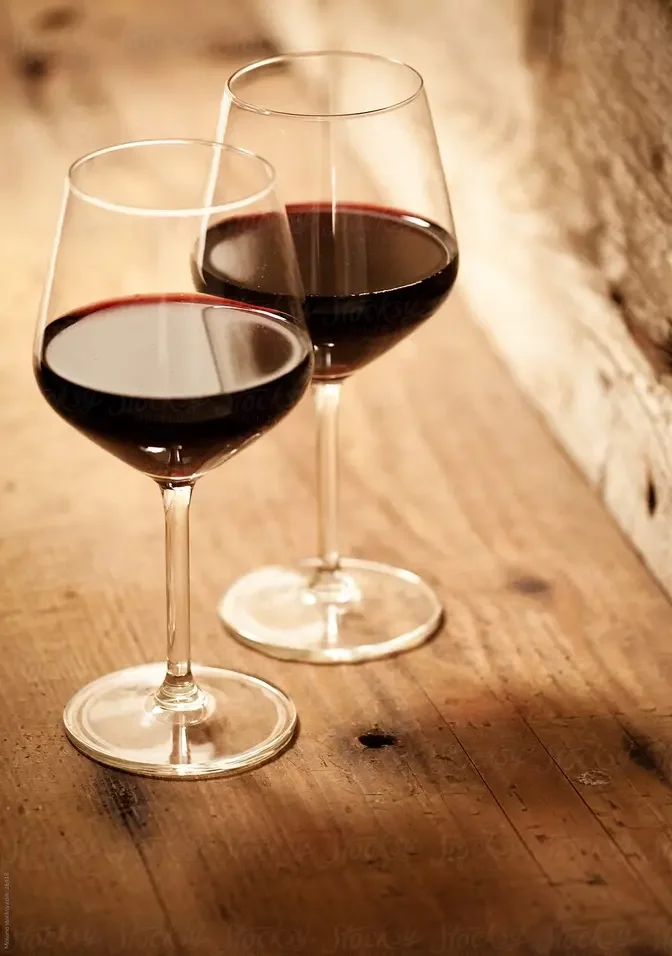
How do I taste wine? How do I smell? How do I taste? All these questions answered and more as we talk to Alpana Singh!
#wineculture, #fanwinecellar
We are sitting in the dining room of the boarding house here. We are a multiple-story restaurant,
so we have a bar on the first floor and then this is our dining room. Our food is Mediterranean-based
and then we have about 500 wines from all over the world. You know, very wine-focused, of course,
just because of my background, but you know, it's really just about, you know, connecting the food
with the wine and the whole experience all together. Cool. It's a beautiful place. Thank
So, how would you go about tasting a wine? Okay, so we're going to start with white first. So,
this is Albarino from Spain. So, the first thing you want to look at is the color and so you tip
it over and you'll see wine people like tip it over like this. If it's lighter in color,
like closer to water, it comes from a cooler climate or specific grape. The darker in color
it gets, the older the wine or perhaps it was aged in barrel, which also oxidizes it
or just comes from a warmer climate, again, a specific grape perhaps. And the next thing you'll
see is just the legs, which intrigues a lot of people, the element of legs. And so, it's probably
easier to see with your red here. Oh, yeah. And you can see those little tears that run down the side.
Yeah. So, legs are an indication of sort of viscosity and basically alcohol. So, the more
legs that you see, the higher in alcohol the wine. You know, a wine that's about 13.5% alcohol will
have less legs than a wine that's like 15, 16% alcohol. You'll see lots of legs. The easiest way
to track legs is next time you have a snifter of cognac, you're sitting by the fireplace, you'll
see a lot of legs. And of course, cognac is essentially very high in alcohol. I'll have to
get a fireplace. You'll have to get a fireplace or your space heater next time you're sitting in
front of your space heater. So, the next thing you're going to do is just keep the wine still
and you're going to smell. Okay. All right, just stick your nose directly in there. And I see a
lot of people sort of doing this. Now, you got to get your nose, you got to get your schnaz like
right in there. You'll notice if you swirl it and then smell it, the smell is so much stronger.
Oh yeah. We always swirl the wine, which is very important because that's what releases the
aromatics. I try to separate into three components, fruit, earth, and wood. So, fruit smell. So,
anything that you would find on the shelf of a grocery store in the produce department. And then
the earth component. So, things that aren't fruit that are more organic or say maybe even inorganic.
So, does it smell like first turn soil? Does it smell like mushrooms? Does it smell like a wet,
damp basement? It doesn't smell very delicious. And then you get wood smells. And wood smells are
basically in the baking department. So, anything like caramel, cloves, cinnamon, vanilla,
any type of spice, and sometimes coconut. And the best way to describe wood smells
is when you're tasting bourbon, all you're tasting really is oak. And that's American
oak. So, delicious. If you really want to understand what oak does to wine, drink bourbon.
So, we need another excuse to drink bourbon. I'm smelling what I almost always smell with
white wine, which is like green apple. Yes, but it is a green apple. It's not like a baked apple.
It's not like a ripe apple. So, what are the things that are green? I get underripe peaches.
Okay. There's some melon in here. There's a little like almost like an herbaceous quality,
like fresh cut grass or like bell pepper. And then earth. I smell lots of minerals in this wine,
kind of like asphalt. You're better at this than I am. It's a muscle. You have to flex it. Other
than that, I don't get any spice notes or anything baking. So, I don't think this wine was aging up.
Right. Next thing you're going to do is you're going to go ahead and taste it and just take
like a one to two ounce sip and just toss it around. You know, just move it around. I'm
swallowing it too quickly. But the other thing you're going to do is you're going to sort of
aspirate it a little bit. And so, what that is, is like you take in your mouth and you draw air
over it like this. And what that does is it draws the air through the retronasal cavity.
And then it increases the aromatic perception of it. A lot of times people talk about weight and
body. So, how does it feel in your mouth? Is it like skim milk, whole milk? Feels lighter. Very
light. It's a light body. It's just for me, in essence, it's like a fresh, vibrant, crisp,
snappy wine. All right. So, now we're going to move into red. I'm going to take this plate here
because it's somewhat white. And you tilt it against the background like this. And here's
the thing with red wines. As white wines age, they actually gain color. So, if you think about an
apple that sits on the counter, it actually gets brown. As red wines age, they actually lose color.
You see how it's like a hot magenta on the outside? If this wine was older, it would be
almost orange or brick. Also, if you can't see through it, that's usually a thicker skin grape.
If you can see through it, it's usually a thinner skin grape. This is a thick skin grape. This
appears to be. And it's young. And it's young. See, look at you. I drink a lot of wine. So,
we'll go ahead and do the smell. So, fruit. You know, black cherries, black plums. Really,
what I'm getting here, more than anything, is just the spice notes. You know, like cinnamon.
There's a little bit of funky animal, like a little gamey leather, right? There's a little
funk in here. But do you get violets, like floralness, like purple flowers? You got to
flower smelling. I got to smell more flowers. So, could you describe what you think is a bad wine?
A bad wine for me is something that it has winemaking flaws to it. So, for me,
it's re-fermenting in the bottle. It's spritzy when it shouldn't be spritzy.
It tastes like barnyard and game. And it smells like skunk or like wet saddle or just like,
it almost, you know, gives you that sensation, like chloroseptic, where it just like numbs your
tongue. Do you go to like CVS and find a wine that you would? Yes, I can. It's, yes, I can.
It's rare that I can't walk into some place and not be able to find at least something to drink.
I don't want to say I'll drink anything. That's not bad. But I will give each wine its due moment
where I can appreciate it for what it is. So, you say that taste is very subjective.
How is it that some wines can be rated so highly and some rated poorly? Well,
beauty is in the eye of the beholder. And so, I, myself, don't put much stock into
ratings. You know, just because a wine is not scored, say, you know, 99 points doesn't mean
it's bad. But they represent a pattern of the reviewer. If you find a critic, I think, that
represents your palate and consistently you agree with their assessment, that's awesome.
But I would say also, you know, learn to trust your own palate and become your own critic.
And that's the best part about wine is just going out there and discovering, you know,
different styles. You're not going to like everything, you know, and that's the big
fallacy about wine is every wine has to be great. You know, every wine experience has to be just
this, you know, like mind-blowing experience. Like, no, sometimes you get it done. Like,
sometimes you just don't like it, but the person next to you may like it,
you know, so it really depends. Thanks for showing us how to taste wine and helping us.
Thanks. Now I'll show you how to drink wine.