
How to Build a Wine Cellar | WhisperKOOL
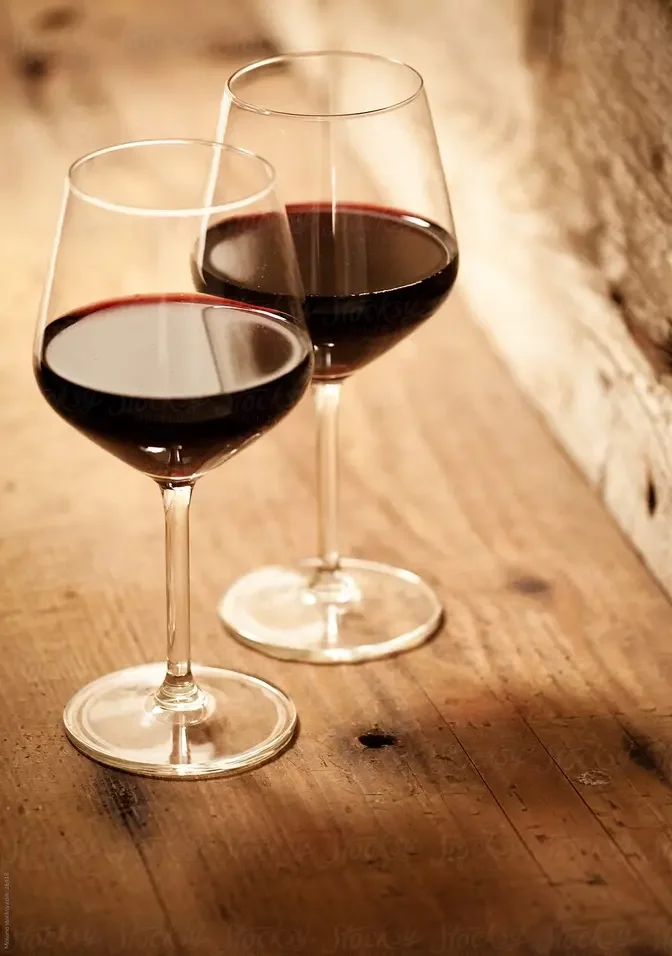
Let us guide you through the steps needed to achieve the best possible results for the cellar you have always wanted.
#wineculture, #fanwinecellar
Thinking about building a wine cellar but don't know where to begin?
There are many different design possibilities that exist to capture your style and taste.
Let us guide you through the different fundamentals and important construction
considerations that need to be made in order to build an efficient and practical cellar
for storing your wine. Welcome to how to build a wine cellar. Let's get started.
In this video, we will cover choosing the best possible space in your home for a cellar,
fundamentals of wine storage, cooling system information, recommended construction steps
to build your cellar. When watching this video, keep in mind, never build a wine cellar where
power or mechanical failures may ruin your wine. Cooling systems need to be maintained regularly.
Any glass that is a part of your cellar construction should be dual-paned,
framed, and sealed. Avoid building a cellar in garages and other insulated rooms.
Please consult with a cellar design specialist before you begin construction on your cellar.
When choosing a room or space in your home, be sure to take into consideration all of the
required materials to properly insulate and seal it. You will need to know which walls are interior
and exterior because this will determine how much insulation is required and where to install the
vapor barrier. The best location for a wine cellar is below ground level in a basement. However,
if you don't have a basement, any room with the least amount of sunlight exposure will be suitable.
If you're working with less than a full-sized room, a closet-sized space can also be used as
a wine storage room. The temperature in your wine cellar is a personal preference.
A common temperature to choose is around 55 degrees Fahrenheit. Lower temperatures will age
your wine slower, and higher temperatures will progress the aging process at a faster rate.
Humidity in your geographical area may vary. Without proper humidity, bottle corks can dry
out and crack, allowing oxygen to enter the bottle and spoil your wine. Higher levels of humidity can
cause mold and be damaging to wine labels. Wine should be stored away from light. Exposure of
light may affect the taste of the wine. We recommend using motion sensors and automatic
timers in your cellar. Vibration can integrate sediments into the wine and will accelerate the
aging process. Over time, even the slightest vibrations can affect the quality and taste of
your wine. Keep your wine stored away from appliances, machinery, or heavy traffic. Bottles
are best stored at an angle in which wine is touching the cork. This will prevent the cork
from drying out, cracking, and your wine from spoiling. There are several factors that need
to be considered when choosing the right unit for your wine cellar. The difference between a
traditional cooling unit and a WhisperCool unit is that traditional units are designed to cool quickly,
causing the humidity to be removed from the cellar below acceptable levels. A WhisperCool
unit cools the air slowly, cycling down the temperature while maintaining proper humidity
levels in the cellar. There are three major categories of cooling units. Self-contained units,
split systems, and fully ducted units. Self-contained systems are the most economical
and easiest to install. Self-contained units have the evaporator and condenser together in one unit.
They are designed to mount to the wall between the studs and into the cellar. The system is
designed to cool the air in the cellar simultaneously, exhausting heat into the
adjacent room. A split system is a quieter, more efficient type of cooling unit than the
self-contained, but it requires a licensed HVACR professional for installation. Split systems divide
the cooling unit into two parts so that the evaporator can be installed in or around the wine
cellar. The condenser can be installed remotely outside or in a separate room, such as a utility
area, mechanical room, basement, or even a rooftop, which reduces the noise level of the unit.
Ducted systems can come in either self-contained or split system units. They typically have more
insulation options and flexibility. Fully ducted units are installed outside of the wine cellar
in an adjacent indoor space, which maximizes your storage capacity and significantly reduces noise.
Cooling units generate a large amount of heat. The majority of cooling unit problems are due to
a lack of proper ventilation. As the unit cools the cellar by absorbing heat from the air,
the condenser must eject the heat created during operation. It is important that the heat is
dissipated effectively from the unit in order to maximize performance. Failure to provide proper
ventilation will compromise the wine cellar environment and shorten the lifespan of the
cooling unit. There are various methods in framing the room. We recommend 2x4 or 2x6 wood application.
Any other type of construction materials, such as brick, concrete blocks, or glass, will need to be
verified by a professional to ensure proper construction. Using other types of construction
material may affect the insulation value of the cellar. A vapor barrier is required to prevent
water vapor from entering or escaping the cellar. This will help keep the cellar at the desired
temperature and humidity range. If it is impossible to reach the outside, then the plastic must be
applied from within the cellar. The most common method is to wrap the entire interior, leaving
the plastic loose in the stud cavity so the insulation can be placed between each stud.
We recommend a minimum of six millimeter plastic sheeting to be applied to the warm side of the
cellar walls. We highly recommend you seal all concrete walls and floors with the sealant,
such as Drylock. The cellar walls and ceiling must be insulated. Fiberglass, grid foam, and blown-in
insulation can all be used. The R-value or quality of insulation is determined by the rate at which
heat passes through the insulation. The higher the R-value, the more resistant the insulation is to
conducting heat. Using higher R-values in insulation will lower your operating costs and unit runtime.
A minimum of R-13 should be applied to the inside of the cellar walls.
Exterior walls may require a minimum of R-19, depending on the wall thickness. A minimum of
R-19 is required for the ceiling, but R-30 is highly recommended. Another option is closed cell
foam insulation, which is a smaller, more compact cell structure than other insulation options.
It is a very good air barrier, as well as a water vapor barrier. Concrete is not an insulator,
but it can be used. Keep in mind, concrete temperature may vary based on the exterior
climate. It will be difficult to maintain proper wine temperature levels in the cellar.
Choosing an exterior-grade cellar door is essential to maintain the cellar environment.
The door must be sealed to keep the cool air from escaping out of the cellar. It is very
important that weatherstripping is attached to all four sides of the door jamb, including a bottom
sweep or threshold. A poorly sealed door can cause your cooling system to run continuously,
compromising the temperature of your wine and lifespan of your unit. Glass cellar doors can
affect proper installation. Please consult a cellar design specialist to discuss the door
of your choice. We recommend using low-voltage lights such as LEDs or fluorescents. When
installing lights in the ceiling, be sure to seal any compromised area at the vapor barrier
and insulation. For your walls, standard sheetrock is acceptable. However, many cellar contractors
prefer to use greenboard due to its moisture resistance. A PVA paint formulation will provide
a durable finish and help to work as a vapor barrier. Tongue and groove wood paneling is also
an attractive option for wall covering. Use rot-resistant wood such as redwoods and cedar.
Flooring in a wine cellar should be able to withstand humid conditions. Avoid using carpet
in your cellar. Common flooring choices for a cellar include hardwood, tile, stone, sealed concrete,
vinyl, or even cork. These materials can easily withstand humidity and spills without absorbing
moisture. There are an endless amount of racking style options. The two most common types of racking
are traditional and modern. Traditional wood racking is usually made from mahogany,
redwood, or cedar. These types of wood can withstand the moisture that can accumulate
in the room. Modern metal racking is gaining popularity with its sleek, more elegant metal
or acrylic styles. Some styles may maximize bottle capacity. This option can also be displayed on
its own or combined with wood racking. Mounting panels may also be added to create unique designs
in your cellar. We recommend using ultra wine racks for your mounting panel and modern racking
needs. Whichever option you choose, remember to focus on the bottle size, capacity, and display
options. In this video, we've covered positioning. Remember to choose a room that doesn't receive
direct sunlight. Venting. Choosing a room with adequate ventilation is key to proper climate
management. Cooling systems. Standard air conditioners are not appropriate for cooling the
wine cellar. Framing the room. The thicker the walls, the better the insulation value. Vapor
barrier. A vapor barrier protects your cellar from mold and keeps humidity at the proper levels.
Insulation. The better the cellar is insulated, the easier it will be to maintain the proper
climate for your wine. Lighting. Use low voltage lights on a motion sensor to keep the heat at a
minimum. Wall covering. Be sure to use rot-resistant woods such as redwood and cedar. Racking varies
depending on your style. And lastly, when choosing a cooling system for your cellar,
please consult a cellar design specialist to better help you with your unique setup.