
-How to Make Hong Kong-Style Chicken Chow Mein with Jet Tila _ Ready Jet Cook _ Food Network.
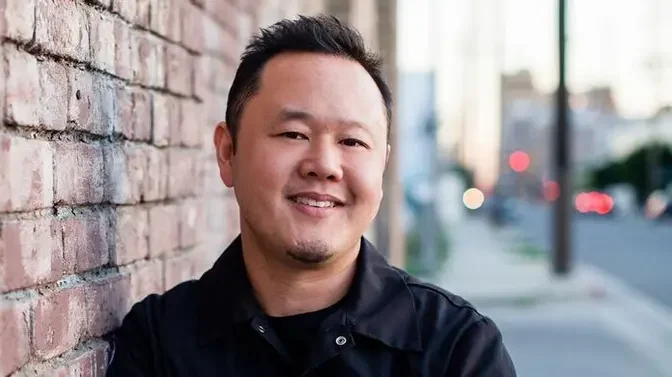
187 Video Views·Feb 4, 2023
Today we're going to make sense of something that stumped American diners for over a century,
the difference between lo mein and chow mein. Let's put this to bed once and for all. We're
going to make Hong Kong style crispy chow mein. It is a bed of Chinese egg noodles smothered in an
unctuous chicken and vegetable gravy. When they marry, they create this magical combination of
textures and flavors. Hey guys, I am Jet Tila and this is Ready Jet Cook where I show you how to
make my favorite Asian dishes from pantry to plate. But before we get cooking, take a second
to subscribe and you'll be able to keep up with all of my videos. Let's get started. So the first
secret to making perfect crispy chow mein is understanding your noodles. For this specific
dish and chow mein in general, I recommend a steamed chow mein. So most noodles at the store
are either going to come raw where you have to cook them yourself or they're going to come par
cooked just like this and this will be in a package in the deli section. These are par cooked meaning
if you just fried these they'd be really dry and inedible. So what we're going to do is pre-steam
them. On the stove I've just got about two or three inches of water on a wok and I'm just going
to put it into my bamboo steamer. So while the noodles are steaming, I'm going to go grab a few
of our key ingredients from the pantry. So the first thing I need to grab is some thin soy sauce
to marinate the chicken in. First crucial step is how to cut your chicken breast. And what I like
to do is I'll take the chicken breast and I'll literally just kind of split it in half. Once the
chicken breast is cut in half, you can easily see where all the grains are going. So what I'm going
to do is always position the grain going one way and I'm going to put my knife perpendicular,
meaning making a T with the grain and my knife, angling it, and I'm just going to cut the chicken
into very thin strips. In this recipe I'm using chicken. If you're using beef, pork, any of those
kind of denser proteins, apply the same cutting method and the same marinade. So for the marinade,
I really just want you to think about some ingredients are giving flavor and some ingredients
are giving you tenderness. That's all it is. So for flavor, we're going to do a little bit of salt
and then we're also going to add a little bit of soy sauce. Now this is Chinese soy sauce. It's
thin soy, light soy, supreme soy. Those are all interchangeable. Next is going to be a little
sesame oil for some aroma. All right, and then I'm just going to give that a good mix. This is
baking soda. You don't need a lot. It keeps all those muscle fibers from pulling back together
and in turn makes the protein tender. And then the last thing is going to be corn starch.
That's it. That's marinated chicken, friends. That can hang for 5 to 15 minutes. If you need to
put this in the fridge for an hour, you're good to go, but it happens quick. Noodles are done
steaming. As you can tell, look how soft and supple they are on the inside. So what I want
to do now is pull the basket out, allow this to start cooling. I want the inside of the noodles
nice and tender, but I do want these noodles to be crispy on the outside, so I'm just going to hit
it with a little bit of pan spray. All right, so need to grab a few things from the pantry.
Oyster sauce, chicken powder, and dry shiitake mushrooms. So let's start by making the actual
sauce. So we're going to load chicken stock with all these delicious ingredients. We're going to
do oyster sauce. Next, chicken powder. We call this chicken power in many of my restaurants
because it has such a phenomenal umami effect. Next, supreme soy sauce, product of China. We're
staying country-specific. That's how we're going to get that gold standard Chinese restaurant flavor.
Now, aroma is such an important concept. So a touch of sesame oil, some sugar to round it out, to kind
of balance the salt and the savoriness, not to make it sweet, and then a pinch of salt. Because soy sauce
has savoriness and salt, kosher salt has a beautiful, very clean saltiness. So that's our sauce.
So lastly, to make this thicken in the pan, I need to create a slurry. Equal parts water
to cornstarch, and you're done. Let's talk about one of the most umami ingredients in the pantry,
and it's these. These Chinese shiitake mushrooms. You'll also see them as recipe as black Chinese
mushrooms. All I've done is you take these mushrooms, you soak them in hot water for about 15
to 20 minutes, and they'll rehydrate. And this is what they become. They go from dried to reconstituted
perfectly. Don't throw that liquid away. You can use that as vegetarian soup broth. You can put
that in sauces. It's excellent. So what I'm going to do with the shiitake mushrooms are, I'm going to
wring them out, all right, preserving some of that liquid. And you don't have to make them bone dry.
You just don't want a bunch of moisture on your cutting board. I like to check kind of the stems,
and if they're woody, just cut them out. I'm going to do a flat cut that way, and then I'm just going
to slice these into thin slices. It's up to you. I like them on the thicker side because they eat
like meat. Three or four veggies, and we're good to go. Once I've got a peeled knob of ginger,
I square it off again, let it sit up straight, and I basically cut it into eighth-inch little tiles,
and then I do these little blades of grass, I call it. My grandma used to romantically call
these blades of grass as she was unromantically yelling at me to get it done. Garlic. You take
the garlic in a little glass bowl, smash, pull, smash, pull, just finish with a nice thin slicing
pass. Bok choy, half and then quarter. You want them large because bok choy are full of water.
They're going to shrink and wilt a little bit, so keep them on the bigger side. I have three
scallions here. I'm going to take all the roots off at the same time. I'm going to take all those
kind of dry tips off at the same time. I'm going to use two of them as a vegetable, meaning I'm
going to cut them into one-inch pieces so they kind of meld into this gravy and eat like a
vegetable. I'm going to keep one for a garnish, so I'm going to do that bias thin slice cut.
Okay, knife work done, sauce done, marinated chicken ready to go. It's time to cook this dish.
All right, so we're going to twice cook these noodles, first time making them crispy.
I've got a bit of oil here, brought it to about 350, 360, and you're going to see it start to fry
pretty quickly. What we're doing is creating a noodle base, right? Crispy on the outside,
but not so fried that they're kind of airy on the inside. So what I'm doing is I'm forming
them into the shape of the bottom of this pan, and then I'm checking the sides. I don't want
these to be fried through the middle. I just want the exteriors fried. I'm going to give this one
quick flip and lay it back in, and I'm going to let it fry on the other side. I'm going to land
this noodle cake, whatever you want to call it, on this plate to drain, and I'm going to use the
same pan, and we're going to make our stir fry. So this is what I'm checking for. I'm listening.
You hear that little crunch? Once the exterior is crunchy on both sides, but still tender, we're
done. We're going to drain, let that noodle nest hang out, and we're going to basically go right
into it. So watch, all that oil you thought where you were eating is actually going to be pushed
back into this bowl, and I'm going to keep a little in my pan to go right into the stir fry.
I'm going to put in our ginger and our garlic in there. You know, I always get asked, what temperature
am I cooking at? I'm actually controlling the heat by putting the next ingredient either sooner or
later, because remember, this chicken was in the fridge, and once it goes in there, it starts to
sear and it cools the pan down. And what you always want to do in any pan, it doesn't have to be a wok,
is use the surface area. Use every maximum square inch of this pan because it's a searing opportunity.
Once I get a sear, I like to toss, and then I'm spreading it back down the middle again. And the
chicken is starting to sear on the exterior. This is the time to put in the bok choy. All right,
the chicken is about halfway. The bok choy is starting to wilt. I'm adding my mushrooms in there
now. So the chicken is browned on the outside. I can add my sauce now to start building that gravy.
Remix that slurry back in, and I'm actually going around the edges to catch the heat of the pan.
Let's do a little language lesson. Lo in Chinese is to toss or stir. You can only lo, or toss,
soft noodles. So when you order lo mein, those noodles should be soft noodles. Chow mein, chow
translation is to fry or to stir fry. So chow mein, obviously, is the crispy version.
Not all chow mein is crispy. Hong Kong crispy chow mein is this, this beautiful,
crispy cake of noodles. So what I'm visually looking for is a gravy consistency that will
kind of sit over these noodles and not just kind of penetrate through. I'm grabbing the one inch
scallion cut. I'm ready to turn off the heat. This is your last chance to check your seasonings
before you plate this dish. Oh man, this one is umami. It's silky, a little bit of sweetness,
kind of over the top, and it has all that full flavor of that chicken and mushroom. I like to
grab all the delicious bits, show them off on top, centered. This is kind of one of those like,
you know, super chef-y showstopper dishes. And then I'm going to take a bit of the gravy
and just pour it on the side. Look at that, y'all. And what happens is while you're eating it,
pieces of the crispy noodle cake start to soften. Other pieces stay kind of crisp. This dish kind
of evolves as you eat it from like a crispy noodle to a soft noodle and then a smothered noodle.
I love to finish this obviously with our scallions, but a little pinch of white pepper on top. And
there you go. Oh man. Behold, my grandma would be proud. The magic is eating this because as I grab
a piece of noodle right into the gravy, I can hear it. Part of it is crispy, part of it is soft.
The gravy melts the noodles. The noodles are savory, slightly sweet, kind of the pungentness
of the scallions. This is the perfect dish. So go forth, make Hong Kong crispy chow mein. Make
sure to subscribe to Food Network's YouTube for more recipes like this. We'll see you guys next
time on Ready Jet Cook.