
#1- Wet Wood Fire Starting / Easy Light Firestarters / Blizzard Kit / Snowmobile Survival Kit.
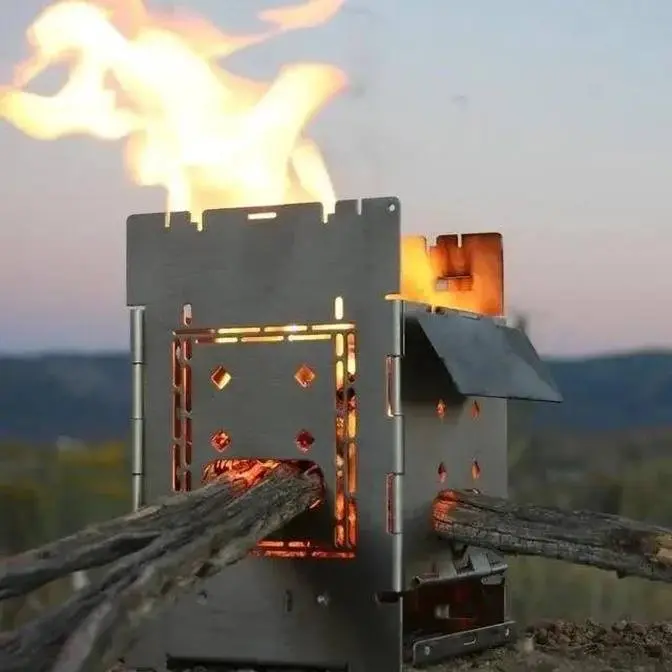
#1- Wet Wood Fire Starting / Easy Light Firestarters / Blizzard Kit / Snowmobile Survival Kit.
Contact us: [email protected]
Purchase products here: https://www.fireboxstove.com/index.php?route=common/home
Firestarters: https://www.fireboxstove.com/firestarters?search=firestart
Here's a good test for our Easy Light Firestarters, getting a fire started with wet wood.
Hello everybody.
Hey, I came up the canyon today to do a test on our fire starters and what they are is
the EZ-Lite firebox, EZ-Lite fire starters.
And quite often people think of fire starters as kind of a convenience item, which admittedly
I do too.
You know, when I'm camping with the family, I need to get wood pellets started or something
of that nature, I reach for the fire starters and they do make life easy and they are convenient.
It's a great quick way to get a fire going.
But what I'm going to talk about today is how the fire starters may be helpful in an
emergency situation.
So I think what I always want to tell people about the fire starters is that they are capable
of starting wet wood.
Well, you'll notice I'm right here by this creek and there's a nice deep spot right there.
So I'm going to get some wood that I've already collected really, really wet and I'm going
to see if I can get a fire going using the EZ-Lite fire starters from Firebox.
I think that's the best test for a fire starter.
I see these other videos where people are lighting their fire starters while they're
floating on water and lighting their fire starters sitting on snow and I just kind of
wanted to do a test that's a little bit more practical and that really shows how one of
these fire starters, maybe that you keep in the glove box of your car, could actually
save your life.
You know, if you do become stranded, a fire is going to make the difference between life
and death in some situations.
So let's see what happens with this.
I've never done it before, I have no idea what to expect, but let's just move forward
and see how it goes.
Let's see if I can do this without getting myself wet.
Okay, so this is all fairly dry, it's just a little bit damp because it was covered with
frost when I collected it this morning, but it's basically dry.
There's this whole bundle of wood, so that is definitely okay.
Let's see if we can get a fire started.
Okay, so I'm just going to open this up and, you know, I think that I'll still need to
be a little bit careful on how I do this.
I'm not just going to plop this on the ground and light it, but rather I'm going to break
it up and try to get it to last as long as I possibly can.
So with these EZ-Lite fire starters, the easiest way to light them is to break them, and that
exposes some of this really rough texture, and it's this really rough texture that's
really easy to light.
So you don't have to touch it with much of a flame, and it really just lights right up.
So now that I have that going, I'm just going to set this here, and I'm just going to grab
some of the smallest stuff and start getting it on there so it can start drying out.
I don't think I have to worry too much about smothering the fire starter because it's made
out of wax and red cedar, and so it holds a flame really well.
It's pretty stubborn as to going out.
It's kind of like a birthday candle.
You have to blow on it pretty hard to get it to go out.
Now this wood was really absorbent as well.
This is all actually a bunch of dry sagebrush, and I don't know if you can see on it, but
there's lichen.
There's quite a bit of lichen growing on it, so it's been dead and dry for a very, very
long time.
And so I'm sure it's just soaked up that water pretty good, but I think maybe this one piece
will actually even be enough to get this started.
Once a few pieces dry out, then it'll start to build some flame and some heat of its own.
Right now this wood is just so cold.
The combination of being cold and wet is going to make it really kind of hard to start, but
I'm going to try to give it enough air that it can really develop a good flame because
right now it's kind of choked out, so it's just making smoke.
So that means I need to give it a little bit more air because if I don't get any flame,
I'm not going to dry this wood out.
I need flame to dry this wood out, so I'm going to hold that up a little bit so I can
have some good flame because that smoke is not going to help me much as far as drying
this wood out, and that's really my objective here.
I'm going to dry it out, warm it up, all that before it's going to want to burn.
So I'll just hold it up as high as I need to to get it to stop smoking, but I want to
keep it as close in the flames as possible, so that's how I'm going to determine how much
to hold it up is by how much smoke it's putting out.
As soon as it's warm enough that I can just set it down there and it'll stay burning and
not smoke, then I think I'm in good shape, and I can actually see some of the wood is
actually starting to light now, so this may be a little bit easier than I thought.
I haven't really started a lot of fires with wet wood because I live in Utah.
It's the desert, and it's pretty easy to find dry wood, but I'm sure people who live in
some of the really wet regions of the world have a lot of experience with this, and you're
probably laughing at me right now because you realize maybe it's not so tough as I'm
making it sound, but I think this one piece of fire starter will probably get this going
for me.
As soon as I know that it's going on its own, then it's easy to, once you get a good flame
going, then it's easy to keep it going even if your wood is wet.
You just have to add it slowly so that you're not decreasing the temperature of your fire
by very much, and that gives it a chance to dry out.
I would imagine when you put a lot of wet wood on a hot fire, that steam coming out
of the wood could actually damage your fire a little bit or bring it down a few degrees
more than you would want to.
I think this little piece of this fire starter is going to be plenty to get this going.
Still a little smoky.
I'm still just going to lift it up a little bit here and there, make sure the air can
get through it good.
I guess for me to really know if the wood has caught really well is going to be once
the fire starter is completely gone and burned up.
If I still have a fire going, then I'll know that I've been successful.
Some of the wood is definitely burning.
I can see that stick is definitely burning and some of the others.
It's just these bigger sticks that have more water in them that are taking a little bit
longer.
I'll get some more of these little ones, I'm sure, to have some that have dried out and
able to catch and kind of contribute to the heat of the fire.
I'm already feeling a little bit of heat come off of this.
And then once you get a fire going, it's pretty easy to keep it going.
And there are even things you can do to keep the heat, at least the heat, through to the
next day, you know, by putting large rocks over the top of your hot coals and stuff
like that.
You know, there's quite a few different tricks you can do to keep your fire going through
the night.
Or at least some of the heat so that building a fire the next day is much easier.
But with one fuel disc or with one of the Easy Light fire starters, you know, just judging
by this, I think I could probably get five fires started from scratch with just one of
these.
So, you know, and the fire is still struggling.
I mean, it's just moving along quite slowly, which is to be expected with such wet wood.
But it is growing.
I can see that it's growing and that the actual sticks are contributing to the fire now.
You know, it's not just the fuel, the fire starter that's doing all the work now.
And it is quite smoky because of how wet this wood is, but it's going.
I want to get a little bit bigger than this to really feel confident that I've started
this fire and that it's not just the fire starter that's doing all the work.
Yeah, there's a good portion of the fire that's way over on this side and the fuel and the
fire starter is way over here.
So while the fire starter may still be contributing, I think that the fire is growing independent
of the fire starter now.
I'm going to stop adding fuel now and let it all kind of catch up because I'm cooling
the fire down too much by continuing to add and add and add.
I need to let the temperature rise on this fire so it can start burning a little more.
But it's going.
It has a good core now.
There's quite a hot center.
When I blow on that, you can really kind of see that there's quite a bit of hot coals
in the center there.
Yeah, you can see that fire's going pretty good now.
But to give you an idea of the duration of these fire starters, I'm just going to move
away all this wood.
And so it's just the fire starter again and let's just see if it's still burning.
So I think everyone would agree that this fire's going and there's not much chance of
it going out now.
I mean, it has successfully started this wet wood and I do have a fire going.
Okay, it looks like the fire starter itself has actually gone out now.
There is still some fuel there.
Let's see if I just strike a, if I ignite it, yeah, it'll still get going.
So there's still some fuel there.
So that gives you an idea of how long a little piece like this would last.
And if that were up off the ground a little bit, if I would have maybe built a little
support for that, then it would have gotten enough air around it that it would have kept
going a little bit better than it did.
So now I'm going to try something else.
And let me, let me go ahead and I'm just going to kick these sticks into the water so they'll
stop smoking at me.
And we'll just start with a fresh batch.
And so what I'm going to do now, what I'm going to do now is I'm going to go ahead and
dip the whole fire starter in the water.
So now I'm going to be using a wet fire starter and wet wood.
So there's that fire starter, as wet as it could possibly get.
So if it's raining and your pack isn't 100% waterproof, you know, and this, the wrapper's
off of this now, so this is as wet as you would ever expect your fire starter or your
wood to get.
So I'm going to go ahead and set this up again.
But this time I'm going to put the fire starter kind of up on supports.
So I'm just going to put a few sticks here for the fire starter to rest on so that it
can get some good air underneath it.
Once again, I'm just going to break off a little piece.
This is even smaller than last time.
So let's hope for the best on this.
A little bit harder to start, I can hear the water crackling a little bit, but I think
it'll keep going.
Whoops.
It even kept going through me dropping it like that.
So let me hurry and get some, I can't get this going.
So I could do more gimmicky kind of tests, you know, like light this and let it float
in the water and stuff like that, but this is real practical.
I mean, somebody may find themselves in a situation like this where everything's wet.
You know, maybe they were camping out of a canoe or something and they got rolled over
in some rough water and all their gear is soaking wet and it's raining and so all the
wood is soaking wet.
So this is a situation that could happen in real life.
So, you know, let's stick with some realistic kind of scenarios.
Now, if it were raining, that would make it a little more difficult because I'd have water
actually coming down on us at the same time.
So I guess it could be worse than this, but hopefully you can find some way of getting
a little shelter, at least over your fire, but that's probably a good test for another day.
Next time it's raining, I'll have to come try this again.
Yeah, but I can see already, this fire's already going pretty good.
At least quite a bit of the wood is actually contributing to the fire a little bit.
So I don't think this will get going if I don't knock it over.
Looks like I may have graduated to the larger sticks a little too quickly, but it's still going.
So I'm not going to edit this video at all, other than just the different segments.
And so hopefully it won't be too boring and the people who do get too terribly bored can
go ahead and fast forward it.
But I just want people to be able to see that there's no shenanigans going on, that I'm not
doing anything other than what you see.
Now I think this would even be easier to get a fire going if this were in the firebox or
some kind of contained setup where it was reflecting the heat back into the fire.
I think this would be about twice as easy or go twice as fast as what this is.
But I wanted to show more of a survival situation where you may not have all your camping gear with you.
You know, it may be just you have a few of these in your car in your kind of emergency kit.
And you're getting a fire going wherever you are with what you have.
So I think the very simplest car kit, you know, the very minimal car kit for people
who live in cold regions, you know, could include some water, some fire starters, you
know, maybe some kind of a container so that you can melt snow for water.
Because the water is ultimately the most important thing.
It's water and staying warm enough, keeping yourself from becoming hypothermic.
Those are the two most important things because other than that, I mean, you can go a long
time without food, but you've got to have the water.
I notice a lot of people put a lot of emphasis on food when it's probably one of the least
important parts of an emergency kit.
It's important for a long-term emergency situation, but a 72-hour kit or anything short-term,
even as long as a week, food still is one of the least important items in your kit.
And I know people may argue with me about that, and that's fine, but that's my personal belief.
Well, I think we've shown that this is going well enough that it would continue to grow,
and I could have myself a really big fire here fairly quickly, even if all the wood
around me had been rained on and was wet.
I've got a good enough start or foundation for a fire that it will continue to grow.
As long as I add to it slowly and incrementally get larger and larger pieces of wood,
this fire is going to support itself, there's no doubt about it.
That's a good little fire now.
Anyway, it was fun to come up here and build a fire.
One of my favorite things to do.
So that's the Easy Light Fire Starter by Firebox at FireboxStove.com.
Thank you everybody for watching. Bye-bye.